Oil shock from tensions with Iran rattles global markets and renews pressure on Mexico’s economy
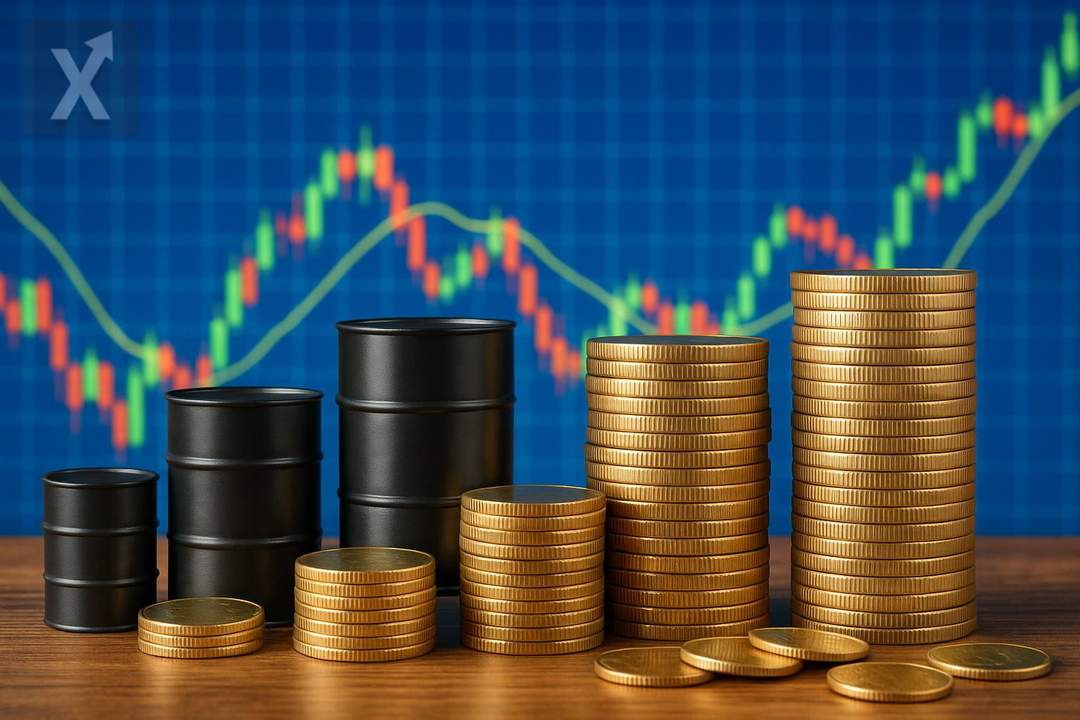
Crude volatility tied to the conflict in the Middle East can seep into inflation and the exchange rate in Mexico, even if the price spike cools.
The latest military escalation in the Middle East—directly affecting maritime traffic through the Strait of Hormuz—once again jolted the international oil market and reopened the debate over how long it could last. In the United States, Energy Secretary Chris Wright said supply disruptions and the price increases stemming from the conflict with Iran would be “temporary,” and that price signals are intended to encourage producers to boost output. He also confirmed releases from the Strategic Petroleum Reserve, an effort to cushion the shock and reduce uncertainty.
Although oil prices have pulled back in recent sessions after political signals pointing to possible containment, the episode left a clear mark: in an oil market that is tightly integrated and highly sensitive to geopolitical risk, swings in sentiment can be abrupt. For Mexico—which imports a meaningful share of refined fuels and faces a near-immediate pass-through from energy to logistics costs and price expectations—this volatility is not a distant issue. It becomes a domestic factor for inflation, growth, and public finances.
In the short term, the impact on Mexican consumers depends on the size and duration of the shock. If crude becomes sustainably more expensive, gasoline, transportation, and several industrial inputs tend to push prices higher. By contrast, if the spike reverses, the effect can fade—though a layer of uncertainty often lingers and influences investment and spending decisions.
Inflation, the exchange rate, and Banxico’s response
The most visible channel for Mexico is inflation. A rise in oil typically shows up as higher transportation and production costs, and in an environment where companies adjust prices cautiously, a bout of expensive energy can complicate disinflation. This matters because the Bank of Mexico calibrates its monetary stance based on the inflation path and expectations: a fresh energy upswing could make any rate-cutting cycle more cautious, or at least reinforce a data-dependent message.
The second channel is financial. In periods of global risk aversion, investors often seek refuge in the U.S. dollar, which can pressure emerging-market currencies. If the USD strengthens and volatility rises, the Mexican peso could face bouts of depreciation, with second-round effects on import prices. Even though Mexico has buffers—a financial system with strong regulation, a debt profile that is mostly in local currency, and hedges—the FX market reacts quickly to external shocks.
There is also a fiscal and state-owned enterprise angle. More expensive oil can lift oil-related export revenues, but it can also raise the cost of importing fuels and put pressure on refining and logistics costs. In Mexico, where the balance among production, crude exports, and gasoline imports has historically been sensitive, the net benefit is not automatic. Volatility can also change the cost of hedges and budget planning, especially when the market prices in prolonged geopolitical risks.
For the private sector, the episode reinforces the need for risk management: hedging, supplier diversification, and continuity plans in the face of logistical disruptions. Transport-intensive industries—food, retail, manufacturing with extended supply chains—often feel higher energy costs first, while exporters may face a more volatile financial environment if the global rush toward defensive assets intensifies.
Looking ahead, the outlook will depend on whether maritime traffic normalizes along strategic routes and whether producers respond with higher supply. U.S. reserve releases can help smooth price spikes, but they do not eliminate the fragility of a market that reacts to headlines. For Mexico, the best-case scenario is a quick stabilization in crude that allows the disinflation trend to continue; the risk is that a “temporary” episode lasts long enough to contaminate expectations and raise financing costs.
Overall, the oil shock from tensions with Iran underscores Mexico’s exposure to global energy volatility: it can move inflation and the exchange rate at the margin and shape Banxico’s tone, even if prices ultimately correct.






