IEPS Subsidies Reshape Gasoline and Diesel Prices in Mexico Amid a Global Oil Rebound
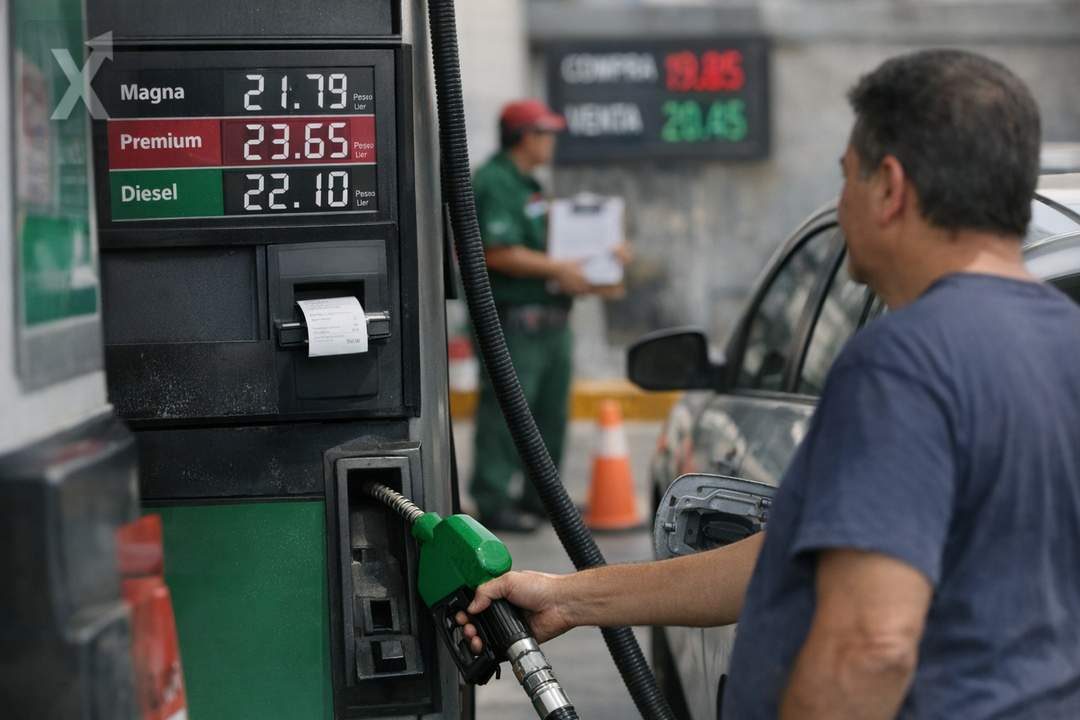
With tax incentives, the IEPS takes up a smaller share of the final price, but cost pressure at terminals and external volatility keep the risk of increases alive.
The price Mexican drivers pay for gasoline and diesel is increasingly being driven less by the tax burden and more by the fuel’s “base” cost—the molecule itself, imports, storage, transportation, and marketing margins—after the Ministry of Finance and Public Credit (SHCP) activated incentives for the Special Tax on Production and Services (IEPS) to contain increases stemming from the rebound in international oil prices.
The fiscal adjustment comes at a time when external shocks often transmit quickly to local energy prices. Although Mexico produces crude, its refining system does not cover all domestic demand for gasoline and part of diesel, so the imported component and its international benchmark remain decisive. In that setting, the IEPS incentive works as a temporary “shock absorber”: it lowers the tax charged per liter and, as a result, reduces its share of the pump price.
In diesel’s case, recent discounts to the IEPS rate clearly show the accounting effect: as the tax is reduced, its proportion of the final price falls, while the terminal price—where product, logistics, and import-related costs are concentrated—gains relative weight. Estimates from consultant Ramses Pech indicate that, with the incentive, the national average diesel price held around 28.5 pesos per liter, whereas without fiscal support the adjustment would have been noticeably larger. In practical terms, consumers see stability, but that stability depends on the incentive remaining in place and on international-component costs not worsening.
Regular gasoline (Magna) also entered the fiscal-support scheme, consistent with the goal of preventing the crude oil increase from immediately translating into higher pump prices. For this fuel, there is also a commitment by the federal government with the gas-station sector to keep the price per liter below 24 pesos across much of the country, making the IEPS even more relevant as a containment tool during bouts of volatility.
For Premium, the incentive was more moderate, but it arrives in a context where terminal prices rose, reflecting pressure from international benchmarks, logistics costs, and market moves. When the terminal component rises, room to maneuver shrinks: if the incentive does not increase or is withdrawn, pass-through to consumers tends to accelerate—especially in regions with higher transportation costs or less logistics competition.
Revenue, Banxico, and Inflation: the Fiscal Cost of the “Shock Absorber”
The IEPS incentive is not free: it means lower revenue per liter sold and therefore a fiscal give-up that can widen if support lasts for more weeks or if the international benchmark for fuels keeps climbing. The tax authority, through the Tax Administration Service (SAT), has noted that fuel behavior is highly dynamic and volatile, so the government uses income headroom when there are windfalls to soften the hit to household budgets. Still, over the medium term the policy faces a dilemma: keeping the subsidy helps moderate inflation—particularly in the non-core component—but extending it reduces revenue available for other areas and can make budget management more rigid.
From a macroeconomic standpoint, gasoline and diesel have broad indirect effects: they influence transportation and goods-distribution costs, which can filter into food and services prices. For the Bank of Mexico (Banxico), a prolonged episode of energy shocks can complicate the disinflation path if it spreads to expectations and price-setting. That is why, although the IEPS is a fiscal tool, its use ends up interacting with the price-stability goal—especially when inflation proves sticky in certain components.
The exchange rate against the U.S. dollar also comes into play, since the fuel market is benchmarked in foreign currency and import costs rise when the peso weakens. Even with incentives, a rapid depreciation can push up terminal prices and increase the need for fiscal support to hold down retail prices—pressuring revenue and increasing consumers’ sensitivity to future adjustments.
Looking ahead, the main risk is that the international market keeps prices elevated or sees renewed volatility due to geopolitical tensions and supply adjustments. If that happens, authorities could choose to extend incentives, target them by fuel type, or allow more pass-through to consumers. The decision will depend on the balance among inflation, revenue, fiscal discipline, and the domestic-demand backdrop, where consumption remains a key variable for growth.
In sum, lowering the IEPS through incentives has reduced the tax’s weight in the final price and contained visible increases in gasoline and diesel, but rising terminal costs show that the main pressure is coming from the international market, logistics, and the exchange rate. Today’s stability is helpful, though conditional on the duration and scope of fiscal support.






