Middle East Tensions Speed Up the Drawdown of Oil Reserves and Revive Inflation Risks in Mexico
Supply cuts and declining global inventories are increasing pressure on energy prices, with knock-on effects on inflation, the exchange rate, and transportation costs in Mexico.
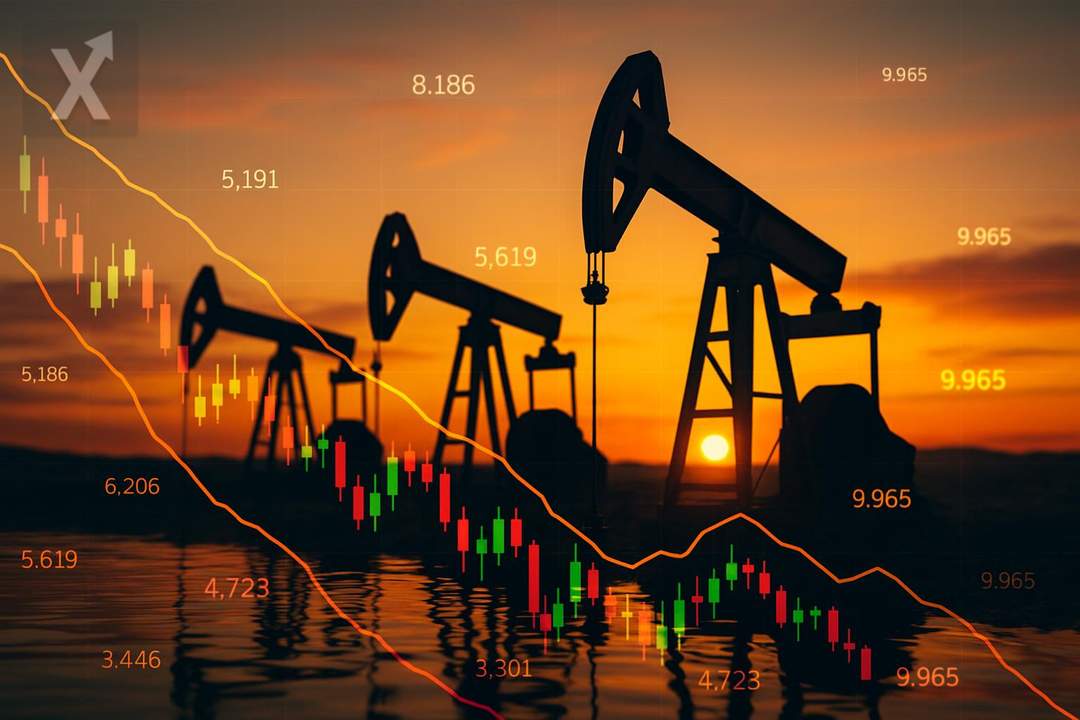
The rapid decline in global oil reserves, amid the escalating conflict in the Middle East, has once again put the energy market at a fragile point—one that can be felt sharply in net-importing economies like Mexico. The International Energy Agency (IEA) warned that global inventories have fallen at an unusually fast pace in recent months, reflecting both supply disruptions and the use of strategic reserves to stabilize the market.
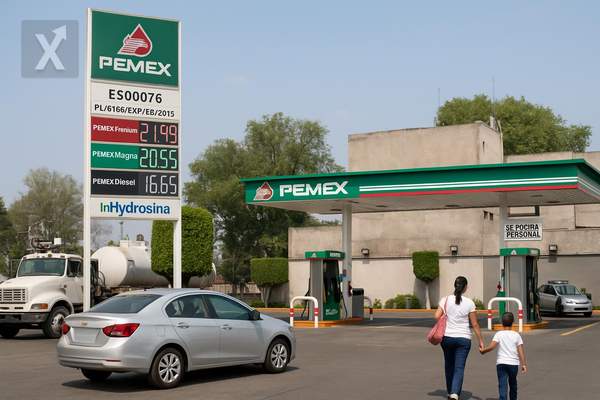
In practical terms, a prolonged shock along key export routes in the Persian Gulf and efforts to restrict crude flows tend to translate into higher and more volatile international prices. For Mexico, that means a mixed picture: on the one hand, higher oil revenues can improve tax intake and Pemex’s foreign-currency inflows; on the other, the country imports a meaningful share of gasoline, diesel, and other refined products, so higher external prices push up logistics costs and, eventually, consumer prices.
The most immediate transmission channel is typically fuels and transportation. When crude rises, freight, aviation, and distribution costs go up; petrochemical inputs also become more expensive, affecting industries such as packaging, plastics, and manufacturing. In an environment where inflation in Mexico is already sensitive to energy and food, a sustained rebound in oil can complicate the disinflation process—especially if it coincides with seasonal pressures and tariff adjustments.
This episode is also unfolding at a time when the market is paying closer attention to any disruption that reduces effective supply. The IEA has noted that emergency reserve releases have intensified and that the drawdown in inventories could foreshadow further increases in crude prices if flows do not normalize. That kind of assessment tends to raise risk premia in energy futures, increasing volatility and making hedging more expensive for Mexican companies with high fuel intensity.
Implications for inflation, Banxico, and the foreign-exchange market
For the Bank of Mexico (Banxico), an external energy shock is the kind of factor that “muddies” the outlook: it can lift non-core inflation relatively quickly and, if prolonged, contaminate expectations and spill over into core inflation through costs. While monetary policy cannot produce oil or fix bottlenecks, it does seek to prevent second-round effects—so an environment of expensive energy can reduce the room for rate cuts or make them more gradual.
At the same time, the impact on the Mexican peso can be ambiguous. Mexico receives oil-related revenues and has a strong export sector, but it is also sensitive to global risk appetite. If the conflict triggers bouts of risk aversion, flows into safe-haven assets can benefit the U.S. dollar (USD), which typically puts pressure on the exchange rate in emerging economies. Even a moderate depreciation makes imports more expensive and can reinforce the inflation channel in tradable goods.
On the fiscal side, high crude prices can improve oil revenues and ease short-term pressures, but they can also raise the cost of maintaining fuel subsidies or price-smoothing policies if the government chooses to cushion the increase for consumers. In addition, higher prices for imported refined products tend to translate into a larger energy import bill, which can weigh on margins for transportation companies, airlines, and certain industrial supply chains.
Looking ahead, Mexico’s focus is not only on the price level, but also on the duration of the shock and its volatility. If global supply gradually normalizes, the impact could be concentrated over weeks or a few months; if the disruption is prolonged, the effects on expectations, costs, and investment decisions would be deeper, with implications for consumption and competitiveness.
In short, the accelerated drawdown of global reserves and tensions in the Middle East revive a classic risk for the Mexican economy: more expensive energy filtering into inflation and the exchange rate, while complicating Banxico’s calibration and raising operating costs for fuel-intensive sectors.