bunq Seeks a Banking License in Mexico, Raising Competition in Digital Banking
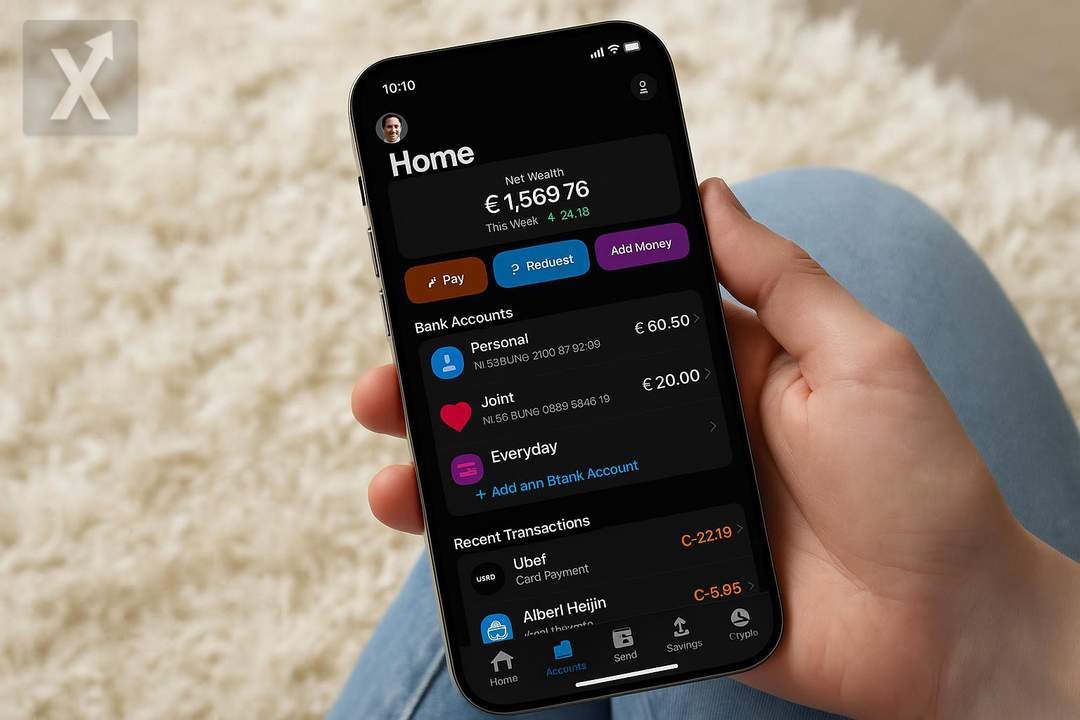
The application filed with the CNBV and Banxico underscores how attractive Mexico has become for neobanks betting on multi-currency accounts and cross-border users.
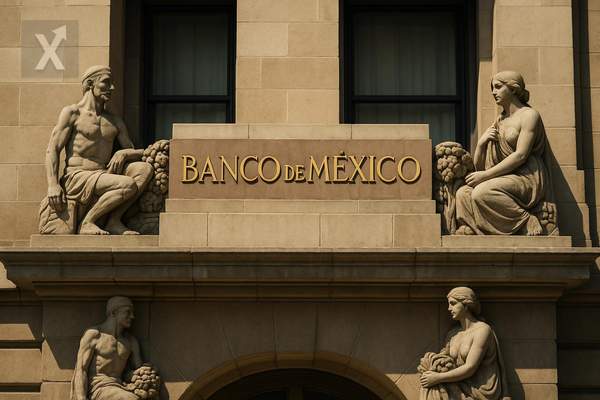
Dutch neobank bunq has taken a formal step toward launching in Mexico: it filed an application for a license to operate as a bank with the National Banking and Securities Commission (CNBV) and the Bank of Mexico (Banxico). The move confirms that Mexico’s market—because of its size, digital momentum, and strong ties abroad—has become a priority destination for fintech financial institutions looking to expand beyond Europe.
According to the company’s plan, its offering would focus on full-service banking with an emphasis on multi-currency accounts, targeting Mexicans living abroad and users who need international payments and financial management. In practice, that positions it as a direct competitor to Revolut and reinforces a broader trend: foreign players entering Mexico to capture segments not fully served by traditional banks and parts of the fintech ecosystem.
bunq has also touted its use of generative AI (GenAI) models to automate processes and improve the customer experience. If it receives authorization, the institution could offer deposit and lending products under Mexico’s regulatory umbrella, including deposits covered by the Bank Savings Protection Institute (IPAB)—a factor that often weighs heavily in public trust compared with non-bank alternatives.
Interest in Mexico comes as payment digitalization accelerates—driven by the adoption of electronic transfers and the growth of mobile platforms—while structural challenges such as informality and low penetration of financial products persist in certain segments. For neobanks, that gap is both an opportunity and a challenge: growth requires investment in regulatory compliance, fraud prevention, and financial education, in addition to competing on cost and service.
Why Mexico Has Become Fertile Ground for Neobanks
The country combines a large market, a young population, and deep economic ties abroad—especially with the United States—which boosts demand for solutions to receive and manage income in multiple currencies. On top of that is competitive pressure: traditional banks have accelerated their digital channels, but new entrants compete with faster, more user-friendly interfaces, 24/7 support, and fee structures designed to be more transparent. At the same time, Mexico’s regulatory framework—with CNBV oversight and Banxico’s operational role in payment systems—has been raising standards, which tends to favor players that can invest in governance, cybersecurity, and anti-money-laundering controls.
In recent years, other foreign-origin institutions have taken similar paths. Ualá, from Argentina, moved forward by acquiring an existing entity and later secured authorizations; Plata, founded by entrepreneurs of Russian origin, obtained a banking license; and Revolut, from the United Kingdom, has positioned itself as a benchmark for global digital services. Nu, from Brazil, is still waiting to complete the process to operate fully as a bank. This pattern suggests competition is no longer only among local banks, but also among regional and global platforms seeking scale in strategic markets.
For Mexico’s financial system, the arrival of more digital banks could translate into stronger competition for deposits and users, putting downward pressure on some fees and raising the bar for digital experience. However, it also increases the importance of oversight of operational risks, identity fraud, technology continuity, and complaint handling—especially when the business model relies on apps and a high volume of small transactions.
Looking ahead, bunq’s progress will depend on regulatory timelines, its ability to adapt products to Mexican rules, and its commercial strategy against rivals with already-established brands. If it manages to build a strong proposition for cross-border users and for those who need multi-currency services, it could open a new chapter in the race for digital banking in Mexico.
In short, bunq’s application with the CNBV and Banxico confirms the intensifying battle for Mexico’s digital customer: more choices, potential competitive pressure, and a greater emphasis on security, compliance, and trust to make expansion sustainable.