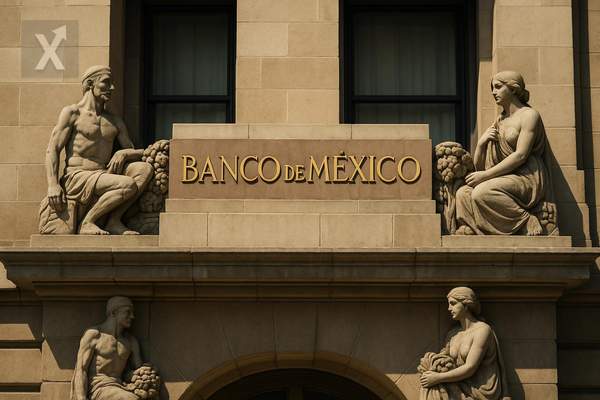
Inflation Picks Up in the First Half of March on Higher Tomato, Energy, and Service Prices
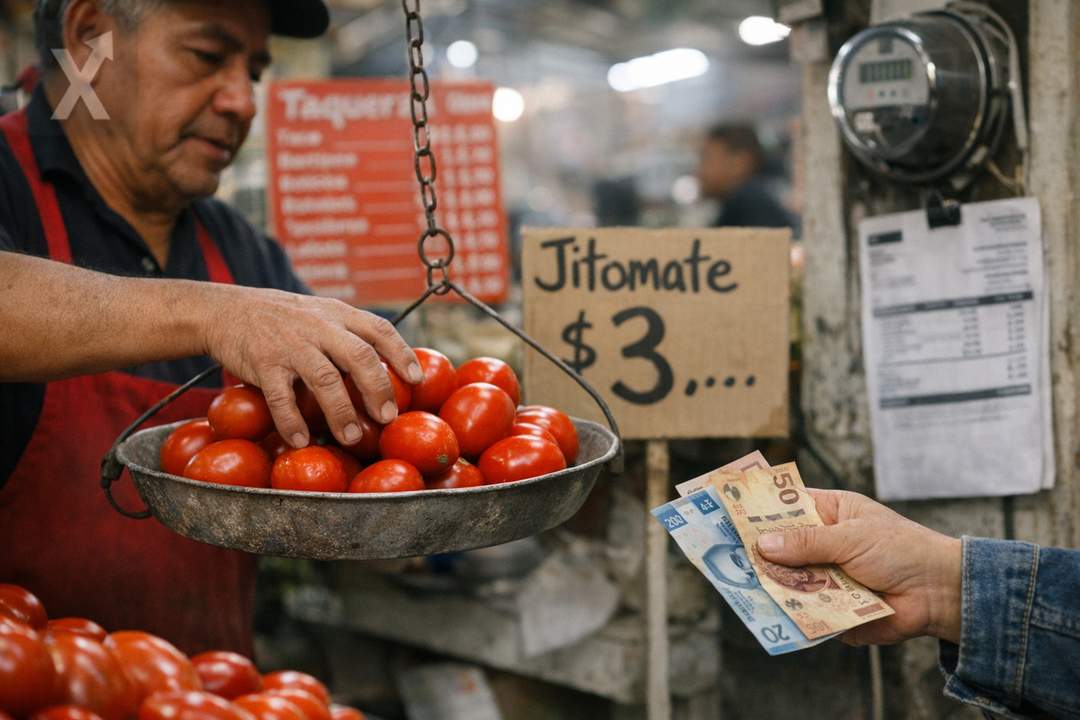
Price gains accelerated again due to shocks in fresh foods and some services, as the market reassesses the pace of Banxico rate cuts.
Inflation in Mexico regained momentum in the first half of March, driven mainly by increases in agricultural products—especially tomatoes—and by moves in categories that weigh heavily on everyday spending, such as electricity and certain services. According to INEGI, the National Consumer Price Index posted a biweekly increase of 0.62%, bringing the annual rate to 4.63%.
Breaking down the figures, core inflation—which excludes highly volatile goods and services and is often seen as a better guide to the underlying trend—came in at 4.46% year over year. Non-core inflation, which is more sensitive to weather, seasonal, and energy shocks, reached 5.18%. Within the latter, the jump in fruits and vegetables stood out, with an annual change close to 24% over the period, reflecting typical supply-side pressures that often reverse but that, in the short run, squeeze household budgets.
Among the items with the largest upward impact were tomatoes and chicken, along with air travel and electricity. Prices also rose at lunch counters, sandwich shops, and taquerías, as well as for tomatillos, potatoes and other tubers, zucchini, and limes. In contrast, some components provided relief: bundles for internet, phone, and pay TV fell, as did standalone internet service, eggs, pork, nopales, and certain clothing items and personal care products.
Banxico’s Dilemma: Gradual Disinflation, but with Volatility “Spikes”
The biweekly uptick comes as the market continues to gauge the next move by the Bank of Mexico (Banxico) in its rate cycle. While shocks in fruits, vegetables, and energy tend to be temporary, their effects can seep into expectations if they persist or coincide with pressure in services. As a result, the debate is less about a single print and more about persistence: how quickly core inflation converges toward the 3% target, and whether service prices—tied to wages, domestic demand, and costs—continue to prove sticky.
In recent weeks, research firms have noted that the central bank still has room to continue gradual cuts, but with a cautious bias. Episodes of global volatility—including geopolitical tensions that affect energy markets and risk appetite—often show up in the exchange rate and import costs. In that context, part of the market has priced in the possibility that the pace of cuts will be more data-dependent, prioritizing the signal from core inflation and the behavior of service prices.
The external environment also matters. Mexico’s economy is closely tied to the U.S. industrial cycle and financial conditions, so changes in global rates, energy prices, or risk aversion can spill over into local markets. During periods of heightened uncertainty, the peso often weakens against the U.S. dollar, although its performance also depends on the interest-rate differential, flows into local assets, and perceptions of macroeconomic stability.
Looking ahead, the key read for households and businesses will be whether fresh food increases normalize as the season progresses and whether core inflation returns to a more clearly downward path. If service-price increases persist or new energy shocks emerge, the disinflation process could slow, raising borrowing costs for businesses and families and delaying relief through lower rates.
In short, the biweekly report confirms that inflation remains an uneven process: it is moving toward lower levels, but with rebounds concentrated in volatile components and, potentially, with frictions in services. For Banxico, the challenge will be to balance the goal of converging to 3% with a stance that does not reignite price pressures or fuel expectations, in a global environment that can still deliver bouts of volatility.