Mexico in 2026: The economy is on the line between the World Cup, the exchange rate, and investment
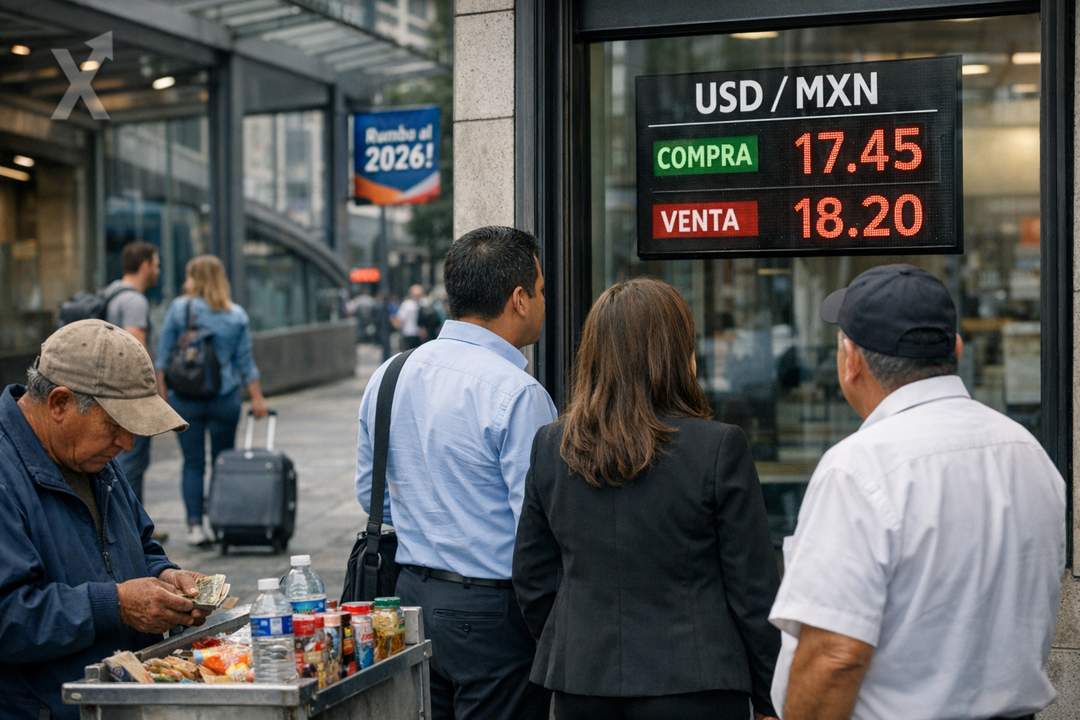
The economic challenge on the road to 2026 will be to sustain investment and financial stability while the country capitalizes on the boost from tourism and regional trade.
Mexico is getting ready to host the 2026 World Cup along with the United States and Canada—an event that’s usually measured in goals and tickets sold, but that also has real effects on consumer spending, tourism, and service-sector activity. For the Mexican economy, the tournament arrives at a moment of contrasts: on the one hand, there are continued signs of resilience supported by domestic demand and export momentum; on the other, challenges in investment, financing, and productivity remain and will determine whether the event’s “boost” translates into lasting benefits.
In the short term, the World Cup can act as a catalyst for hotels, restaurants, transportation, and retail, with temporary increases in occupancy and spillover spending. However, international experience shows that the macroeconomic impact is usually limited unless it’s paired with projects that improve urban competitiveness, connectivity, and public safety. For Mexico, the biggest value may lie in strengthening its tourism reputation and speeding up operational improvements in airports, mobility, and services in the host cities.
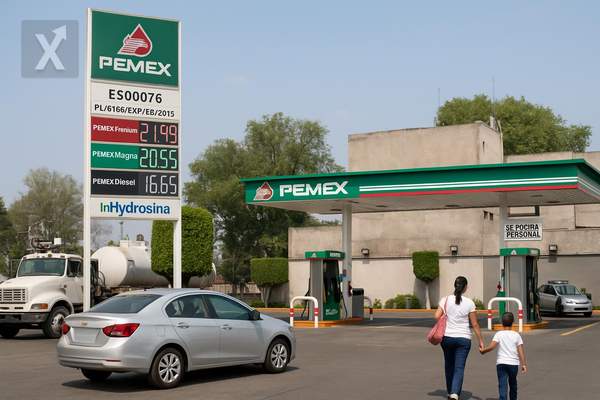
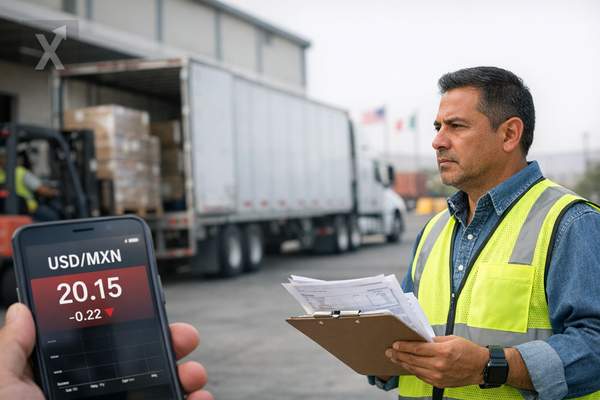
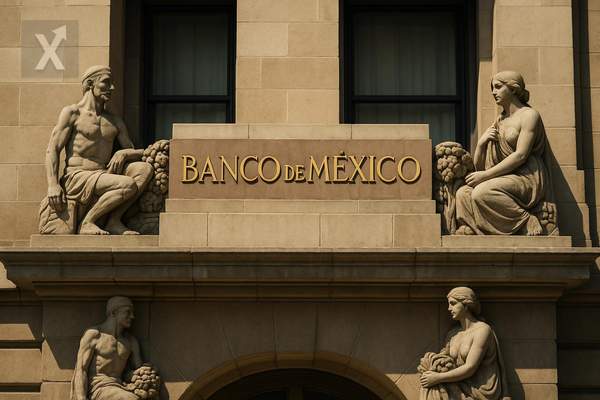
In the background is the peso’s performance against the U.S. dollar, a variable that affects travel costs for visitors, margins for importing businesses, and inflation in tradable goods. A stable exchange rate helps companies plan investments and reduces price volatility, though it can also moderate the FX-related lift to exports. The peso’s path will remain closely tied to relative monetary policy between Banco de México and the U.S. Federal Reserve, as well as global risk appetite and the pace of growth in the U.S., Mexico’s main trading partner.
Monetary policy, for its part, has to strike a balance between preserving purchasing power and avoiding a prolonged rise in borrowing costs that would weigh on consumption and investment. Banxico has prioritized fighting inflation, and even though the worst episodes have eased from their peaks, the debate now centers on how quickly rates could normalize without reigniting price pressures. Financing costs are especially important for small and mid-sized service-sector businesses, which are often the first to respond to a demand jump associated with major events.
Nearshoring and the infrastructure ceiling: the opportunity that doesn’t depend on the World Cup
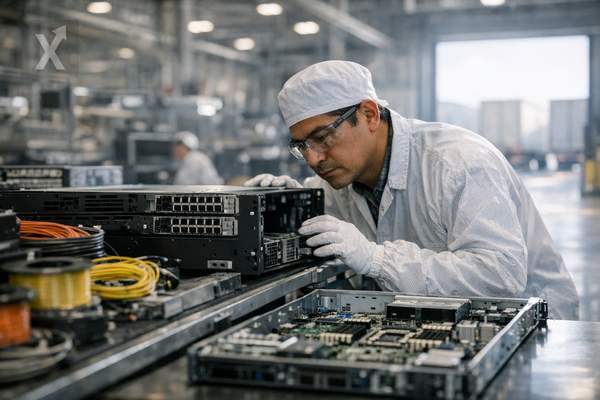
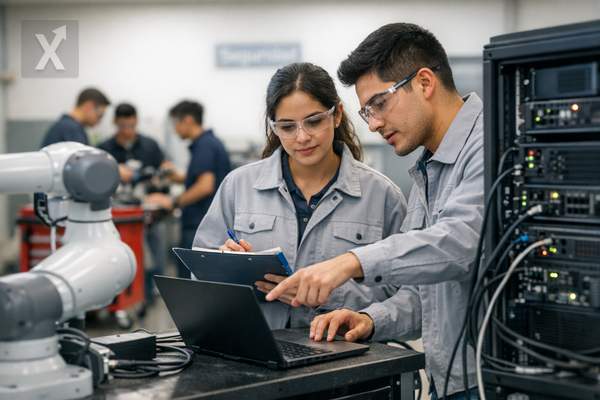
Beyond the tournament, the most frequently cited structural factor in Mexico’s economic conversation is nearshoring: the relocation of production chains to North America. The trend has the potential to raise investment and formal employment, but it’s constrained by bottlenecks that are already visible: access to reliable energy, water capacity in industrial regions, logistics congestion in key corridors, and limitations in rail and highway transport. If those constraints aren’t addressed, the opportunity could fade or end up concentrated in just a few hubs—widening regional gaps instead of closing them.
In this context, coordination with Canada and the United States matters not only because of the flow of visitors in 2026, but also because of the trade and investment rules that govern regional exchange. Sectors such as auto parts, electronics, home appliances, and medical devices depend on integrated supply chains; as a result, regulatory confidence and infrastructure responsiveness matter as much as labor costs. An environment that reduces uncertainty and speeds up permitting can accelerate investment announcements, while construction delays, drawn-out litigation, or unexpected regulatory changes can push decisions back.
The labor market also sets the pace. The strength of formal employment and the level of real wages are key to sustaining consumption, even as informality continues to limit productivity and tax collection. In tourism, the challenge is turning temporary demand spikes—like those driven by a World Cup—into more stable jobs, better training, and greater local spillovers, especially among microbusinesses that account for a large share of activity.
Looking toward 2026, Mexico’s outlook will depend on how well the country uses this global spotlight to strengthen capabilities it already needs: urban mobility, public safety, service digitalization, and logistics. The moment offers a showcase, but sustained growth will still rest on productive investment, policy certainty, and a strategy that links the tourism boost with export manufacturing momentum.
In short, the World Cup can add momentum to services and tourism, but Mexico’s economic story on the road to 2026 will be shaped more by exchange-rate stability, Banxico’s decisions, and the rollout of infrastructure that allows the country to capture nearshoring within North America.