United States sets course for a broad 15% tariff, raising uncertainty for Mexico’s trade
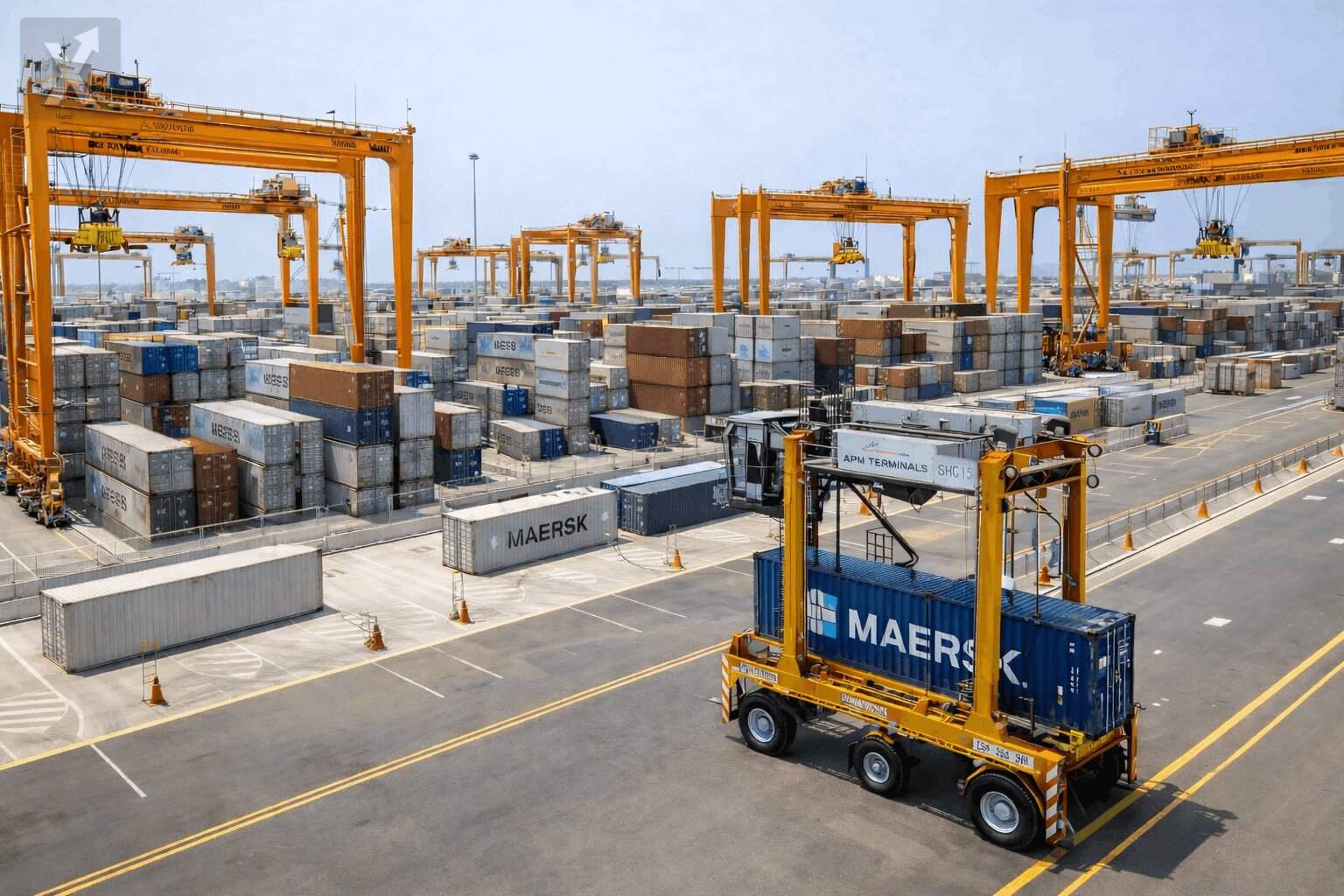
The potential rollout of a broad U.S. tariff reshapes costs and investment decisions, with a potential impact on Mexican exports.
The U.S. government is gearing up to impose, “likely this week,” a broad 15% tariff on imports, according to remarks by Treasury Secretary Scott Bessent. The move is being framed as a way to revive President Donald Trump’s protectionist agenda after a recent court setback that curtailed part of his prior tariff policy.
According to the official, the levy would be implemented under Section 122 of the Trade Act of 1974, a tool that allows tariffs to be imposed for a limited period—up to 150 days—unless Congress authorizes an extension. During that window, the U.S. administration would seek to wrap up investigations tied to national security and alleged unfair trade practices, which could open the door to additional tariff packages.
For Mexico, the news arrives at a time when the economy depends heavily on the export sector and on production integration with North America. Manufacturing—especially autos, auto parts, electrical and electronics, and machinery—runs on cross-border supply chains that are sensitive to sudden shifts in costs, rules of origin, and customs clearance times. While the measure is described as “broad,” its effects may be uneven—not only by industry, but also depending on the share of imported content at each stage of the production process.
The announcement also comes amid heightened attention in the FX market. A tariff increase of this magnitude often translates into bouts of risk aversion and greater peso volatility against the U.S. dollar, particularly if trade policy becomes less predictable. For Mexican companies with incomplete hedges, the double shock—exchange rate and tariff—can squeeze margins and affect inventory plans and hiring decisions.
Potential impact on exports, nearshoring, and prices
In the short term, a broad U.S. tariff puts pressure on import cost calculations and may ускорate renegotiations among suppliers, OEMs, and distributors, especially in industries where Mexico is a key supplier. For nearshoring, the effect is mixed: on one hand, a protectionist environment can encourage some companies to produce “closer” to the end market; on the other, regulatory uncertainty and the prospect of new tariff rounds raise the required return threshold for investment, delaying projects or shifting them to jurisdictions seen as more stable.
In Mexico, the price channel also bears watching. If the tariff increases costs along the chain, part of it may be passed on to the U.S. consumer; but it can also flow backward, pressuring input prices or reducing order volumes to Mexican suppliers. At the macro level, weaker export momentum would weigh on industrial output and employment in regions that are highly integrated into foreign trade, while FX volatility could influence inflation expectations. In this context, Banco de México typically monitors exchange-rate pass-through to prices and the formation of expectations, especially when external shocks coincide with domestic cost pressures.
Another relevant point is that, according to Bessent, the broad tariff would not replace existing sector-specific duties, such as those applied to steel and the auto sector. That overlap increases complexity for companies that operate with components crossing borders multiple times. Even if certain Mexican exports retain advantages due to logistical proximity and manufacturing expertise, the final cost for the U.S. buyer will depend on how exceptions, customs definitions, and any enforcement mechanisms are applied.
Looking ahead, Mexico’s main focus will be operational clarity: the tariff’s actual scope, possible exemptions, compatibility with North American trade commitments, and the outcome of investigations that could lead to additional measures. In parallel, companies are likely to strengthen FX hedging, diversify suppliers, adjust shipping schedules, and in some cases relocate stages of the production process to minimize exposure.
In sum, the proposed 15% broad tariff in the United States reintroduces a risk factor for regional trade: it could make flows more expensive, increase FX-market volatility, and slow investment decisions, even as it could also accelerate reshoring and relocation strategies. The ultimate impact on Mexico will depend on implementation details, the measure’s effective duration, and the response of companies and authorities on both sides of the border.






