The Fed Enters a Pivotal Transition as the Oil Shock Rekindles Inflation Fears: Implications for Mexico
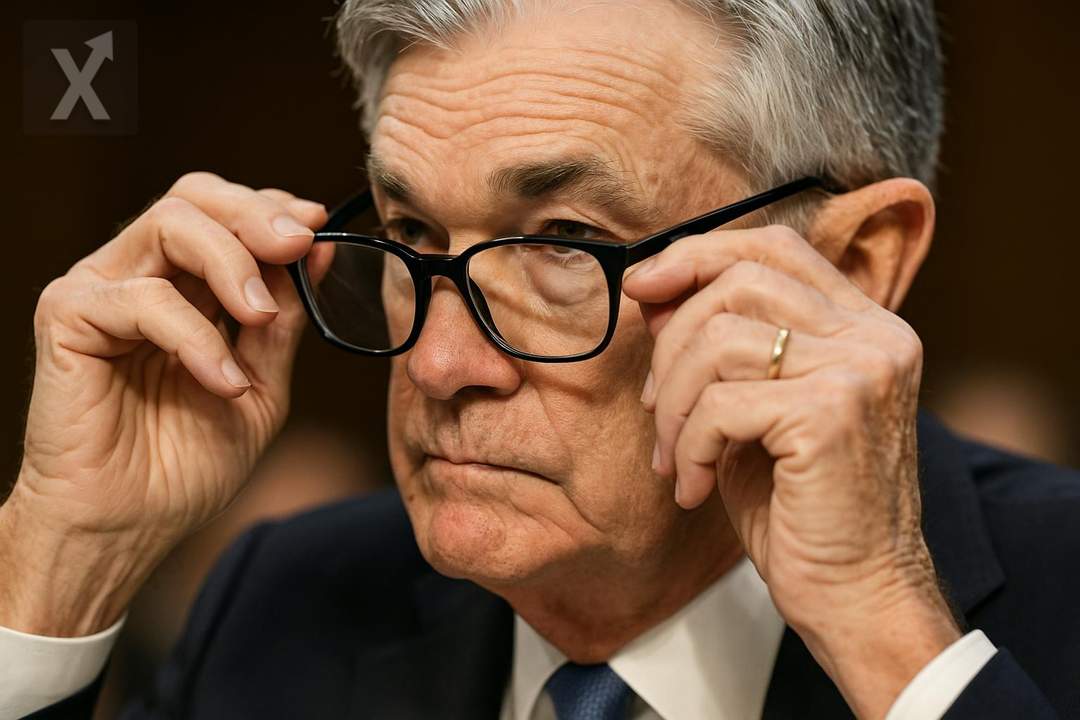
Leadership change at the Fed and higher crude prices are increasing dollar volatility and complicating Mexico’s outlook for rates, inflation, and the exchange rate.
The U.S. Federal Reserve (the Fed) heads into one of its most closely watched meetings of the year amid two developments that tend to amplify financial uncertainty: a rebound in international oil prices following the escalation of the conflict in the Middle East, and the impending departure of Jerome Powell from the central bank’s top job. While market consensus expects the Fed to keep its benchmark rate unchanged in the near term, attention is focused on the tone of the statement and any signals about how the Fed is balancing risks between inflation and growth.
For Mexico, the Fed’s message matters through a direct channel: the behavior of the U.S. dollar and the path of U.S. interest rates shape capital flows, risk premia, and the global cost of financing. During risk-off episodes, the dollar tends to strengthen, which can put pressure on the peso–dollar exchange rate and raise the cost of key imports—especially energy, industrial inputs, and intermediate goods—with second-round effects on inflation.
The oil shock is an additional channel. A sustained rise in crude typically feeds into gasoline prices, transportation, and logistics. In Mexico, while there is a cushioning mechanism through fiscal policy and adjustments to fuel subsidies, recent experience suggests the offset is not always complete or immediate—especially when higher oil coincides with currency depreciation. In that scenario, the non-core component of the CPI (INPC) can pick up and start to spill into expectations if the increase lasts.
The transition in Fed leadership also matters. Monetary policy doesn’t change because of one person alone, but markets do recalibrate probabilities when they perceive a shift in emphasis—whether more hawkish on inflation or more sensitive to growth—and that shows up in bond yields, FX volatility, and broader financial conditions. Mexico, deeply integrated with the U.S. through trade and the depth of its financial markets, is often among the first emerging markets to reflect those repricings in asset prices.
Banxico: the dilemma between disinflation and external shocks
In Mexico, the Bank of Mexico (Banxico) faces a delicate balancing act. On one hand, the disinflation process has advanced from the peaks seen in prior years, and growth is showing signs of cooling after a period of resilience supported by North America–linked industrial momentum and strong consumption. On the other hand, an external environment of more expensive oil and a stronger dollar complicates the “last mile” of bringing inflation back toward the 3% target.
If the Fed keeps a restrictive stance for longer or signals the door is open to additional tightening, the rate differential between Mexico and the U.S. becomes central: preserving it helps buffer pressure on the exchange rate, but doing so at the cost of tighter domestic conditions can cool investment and credit. Banxico also tends to favor cautious communication to keep expectations anchored; when external shocks hit, the central bank usually assesses whether the impact is temporary or whether it threatens to become persistent through expectations and price-setting behavior.
Oil, inflation, and public finances: a less linear balance
Expensive oil is not automatically “good” for Mexico. Although the country is a producer, it also imports fuels and relies on external purchases of gasoline and diesel to supply the domestic market. As a result, the net effect can be mixed: higher oil revenue can support tax intake and Pemex cash flow, but at the same time energy and transportation costs rise, as do implicit subsidies if the government tries to smooth consumer prices. At the margin, a prolonged increase can put pressure on public spending through fuel subsidies or higher operating costs, and it can also raise inflation risk.
On the corporate side, energy-intensive industries—transportation, processed foods, chemicals, and parts of manufacturing—face higher costs that may be passed on partially to final prices. If consumption weakens, pass-through is smaller but the pressure hits margins; if demand holds up, pass-through can be greater and influence the inflation path. The response also depends on the exchange-rate trajectory, which in Mexico often serves as a barometer of the Fed–global risk–commodity price mix.
Looking ahead, the market will track three variables closely: whether the energy rebound becomes entrenched or reverses; whether new Fed leadership maintains a firm narrative on inflation; and how inflation expectations and Mexico’s exchange rate respond. Together, these factors will determine whether Banxico can continue with gradual rate cuts without jeopardizing price anchoring—or whether, instead, it is forced into a prolonged pause to protect macro-financial stability.
In perspective, the combination of a Fed transition and an oil shock raises the likelihood of bouts of dollar volatility and a more cautious stance on rates, with immediate effects on Mexico through the exchange rate, inflation, and financing costs; the challenge will be to sustain disinflation without slowing activity too much.






