The World Cup’s “What if we actually do it?” moment is boosting spending—and putting short-term pressure on prices in Mexico
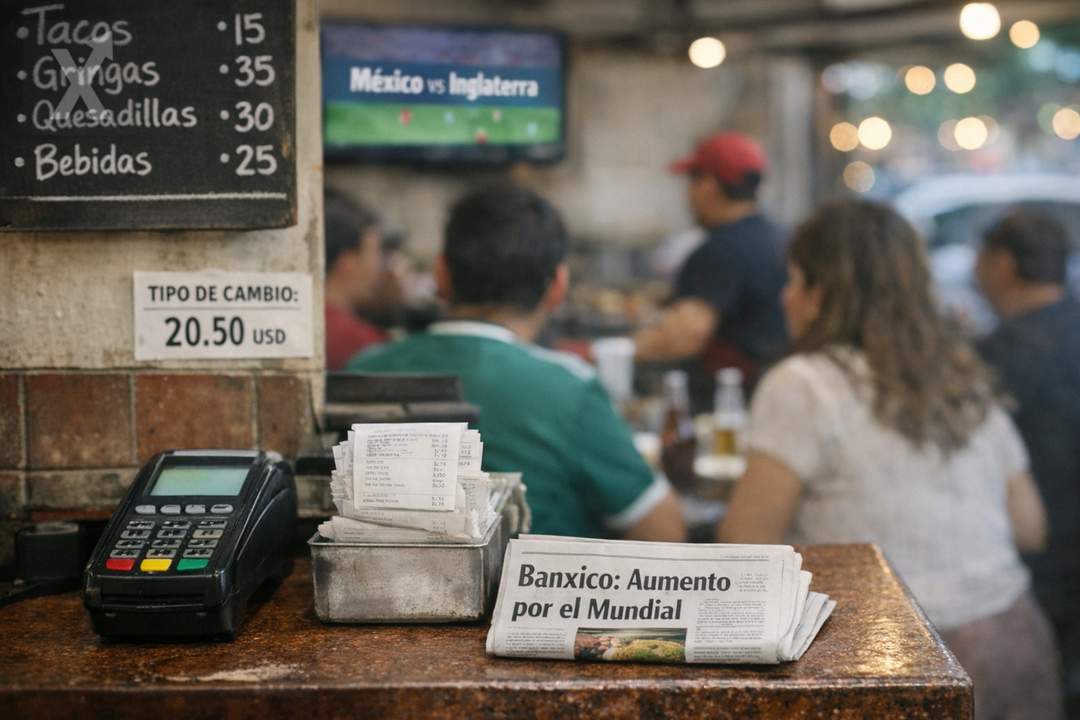
Soccer fever is driving higher spending on retail and services, with a contained but visible impact on GDP and near-term inflation.
Mexico’s run in the World Cup has sparked a spending mood that’s translating into higher household outlays on food and drinks, restaurants, entertainment, transportation, and game-related items. The phenomenon—popularly dubbed “What if we actually do it?”—has a measurable economic impact: estimates shared by Citibanamex (Banamex)’s research team suggest the World Cup could add about 0.1 percentage points to this year’s GDP, with the boost concentrated in host cities and especially Mexico City, given its stronger connectivity and greater ability to attract visitors.
The bank’s estimate implies an impact of roughly 35 billion pesos—an amount that mainly reflects a shift in the timing of consumption (spending pulled forward) rather than a lasting increase in aggregate demand. Even so, in the short run the effect is meaningful for retailers, big-box and grocery chains, restaurants, and delivery platforms, which typically see sales spikes during the highest-rated matches, as well as for hotels and tourism services as the influx of domestic and international fans grows.
From a macro standpoint, soccer’s “spillover” is combining with an environment in which private consumption has proven resilient, supported by the labor market, recent minimum-wage increases, and strong remittance flows. Still, analysts caution that this kind of demand shock is temporary: once the national team’s run ends, spending tends to cool, and some households shift back toward saving or paying down debt—especially if they’re feeling pressure from prices or interest rates.
Experience with large-scale events suggests the biggest spending is concentrated in categories with high turnover and little planning—immediate consumption—and that the gains are unevenly distributed: areas with denser service activity, tourism corridors, and higher hotel capacity tend to capture more of the economic windfall than municipalities far from host venues.
Inflation and Banxico: a bump that could prove temporary
The World Cup-related jump in spending can also be read through an inflation lens. When demand accelerates over short periods, some prices—especially prepared foods, beverages, recreational services, and local transportation—can post biweekly increases above trend. Citibanamex expects inflation to pick up starting in the first half of June, a number markets watch closely because it shapes expectations and the debate over the path of monetary policy.
For the Bank of Mexico (Banxico), the key is distinguishing between seasonal “noise” and more persistent pressure. If price increases are concentrated in entertainment-related services or certain foods, and they reverse after the event, the impact on the medium-term inflation path would be limited. But if it coincides with additional pressures—for example, higher logistics costs, weather shocks affecting agricultural products, or rising service prices—the read could become less benign. With rates still elevated, the central bank tends to prioritize signals from core inflation and well-anchored expectations before changing the pace of its decisions.
The windfall also has a tourism component that could outlast the tournament. Greater international exposure for Mexico, combined with visitor experience, can turn into long-term marketing for urban and cultural destinations, with effects on hotel occupancy, air connectivity, and service-sector spending. That potential, however, depends on structural factors: security, infrastructure, mobility, service quality, and the ability to handle demand surges without driving costs up too much.
On the less favorable side, the World Cup can also generate economic costs from absenteeism and lower productivity on match days or during celebrations. In sectors that require on-site operations—manufacturing, logistics, construction, and some services—absences and delays can affect shifts and deliveries, although many companies typically plan ahead with schedule adjustments, internal policies, and added flexibility.
With Mexico set to face England in the knockout stage, the “thermometer” for spending will keep depending on results on the field. The economic logic is straightforward: as the perceived odds of advancing rise, consumption spikes get amplified; when the run ends, activity gradually returns to its normal track.
In short, the World Cup acts as a temporary tailwind for commerce and services, with a limited but observable effect on near-term growth and inflation. The challenge is ensuring the windfall doesn’t remain just a moment of euphoria, but—where possible—translates into service improvements and a stronger ability to attract tourism and spending on a sustained basis.






