Salto de la inflación en Estados Unidos por energía reaviva presiones para México: gasolina, tipo de cambio y tasas en la mira
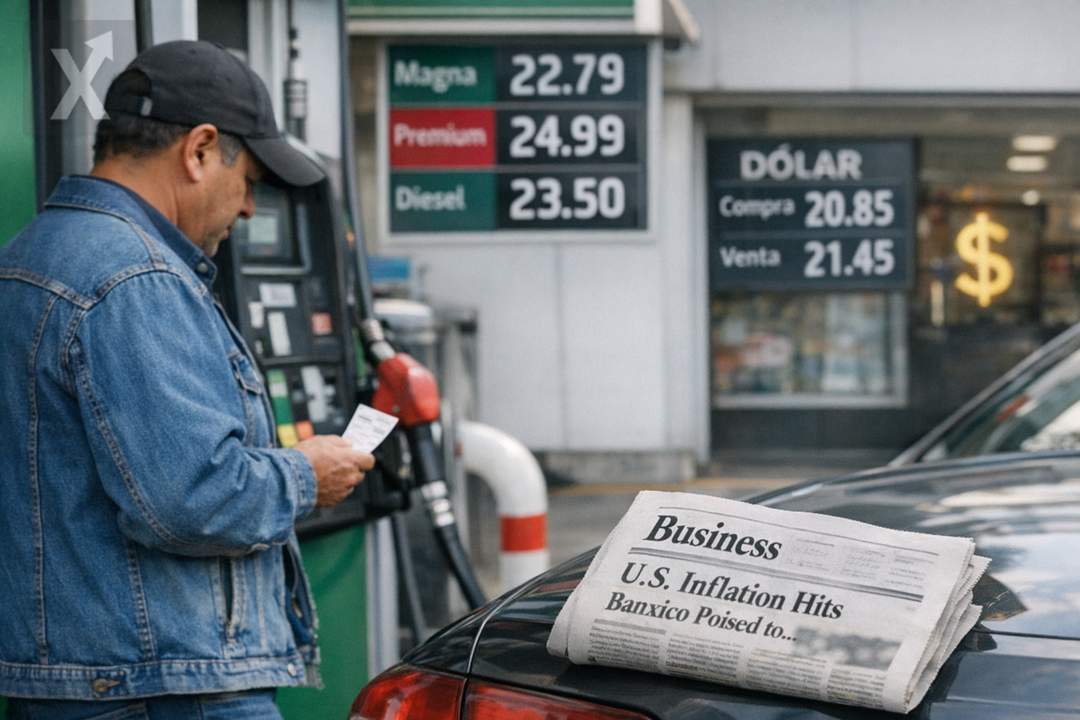
El repunte inflacionario en Estados Unidos, impulsado por la gasolina, puede trasladarse a México vía importaciones, tipo de cambio y expectativas de tasas.
El más reciente repunte de la inflación en Estados Unidos, que se aceleró a 3.3% anual en marzo, volvió a colocar el costo de la energía como un factor determinante para los mercados globales. La escalada se explicó principalmente por el encarecimiento de la gasolina, en un contexto de tensiones geopolíticas en Medio Oriente que afectaron la logística y las expectativas sobre el suministro de crudo. Aunque el impacto inmediato se observa en el consumidor estadounidense, México suele resentir estos episodios por su integración comercial y financiera con su principal socio.
Para la economía mexicana, un choque de precios energéticos en Estados Unidos no se limita a una nota internacional: tiende a reflejarse en costos de transporte, presiones sobre algunos insumos importados y mayor volatilidad en el mercado financiero. En particular, cuando la inflación estadounidense sorprende al alza, se ajustan las apuestas sobre la trayectoria de tasas de la Reserva Federal, lo que puede modificar el apetito por riesgo y los flujos hacia economías emergentes.
El canal más visible para el público es el precio de las gasolinas. México importa una parte relevante de los combustibles que consume y, aunque existen mecanismos internos —incluido el estímulo fiscal al IEPS— para amortiguar movimientos, episodios prolongados de alza en energéticos suelen complicar el balance entre finanzas públicas, precios al consumidor y márgenes de comercialización. Esto ocurre además en un momento en el que la inflación en México ha mostrado moderación respecto a sus picos previos, pero aún convive con riesgos en servicios y con choques que pueden reavivar expectativas.
Implicaciones para Banxico: diferencial de tasas y expectativas de inflación
Un entorno de inflación más persistente en Estados Unidos puede retrasar o reducir recortes de tasas allá, lo que presiona a mantener un diferencial atractivo frente al exterior para contener volatilidad cambiaria. Para Banco de México (Banxico), el reto se vuelve doble: por un lado, seguir evaluando la desinflación interna; por el otro, calibrar el impacto de un dólar estadounidense más fuerte o de mayores rendimientos en EUA sobre el peso y sobre los precios de mercancías importadas. En México, una depreciación abrupta suele transmitirse con mayor rapidez a bienes comerciables y puede alterar las expectativas inflacionarias, elemento clave en la conducción de la política monetaria.
Si el choque energético se extiende, el componente de inflación no subyacente podría repuntar, aunque la experiencia reciente sugiere que el traspaso depende del tipo de cambio, de la política de precios de combustibles y de la trayectoria de costos logísticos. Para Banxico, la persistencia —más que el salto puntual— es lo que define el tono: movimientos temporales pueden tolerarse si no contaminan formación de precios, pero un episodio prolongado tiende a endurecer el balance de riesgos.
En el frente real, un mayor costo energético en Estados Unidos también puede influir en la demanda y en las cadenas de suministro. México, altamente integrado al ciclo industrial estadounidense, podría observar ajustes en pedidos manufactureros si el consumo se debilita o si las empresas enfrentan mayores costos operativos. Al mismo tiempo, la relocalización de inversiones hacia Norteamérica (nearshoring) sigue siendo un soporte estructural para ciertos sectores en México, pero los choques de energía y tasas elevadas suelen encarecer el financiamiento y elevar el umbral de rentabilidad de nuevos proyectos.
Para hogares y empresas en México, el mensaje de corto plazo es de cautela: los energéticos pueden provocar episodios de inflación más volátil, mientras que los mercados reaccionan con rapidez ante datos estadounidenses. En este contexto, la estabilidad del peso, el manejo de precios internos de combustibles y la comunicación de política monetaria serán determinantes para evitar que un shock externo se traduzca en un deterioro persistente del panorama inflacionario.
En perspectiva, el salto inflacionario en Estados Unidos refuerza la sensibilidad de México a choques energéticos y a cambios en expectativas de tasas, con implicaciones para precios, tipo de cambio y decisiones de Banxico. El principal factor a monitorear será si el encarecimiento de la energía se normaliza pronto o si se convierte en una presión más duradera que complique la desinflación regional.






