New Leadership at the Federal Reserve Reopens the Rate and Exchange-Rate Debate: Implications for Mexico
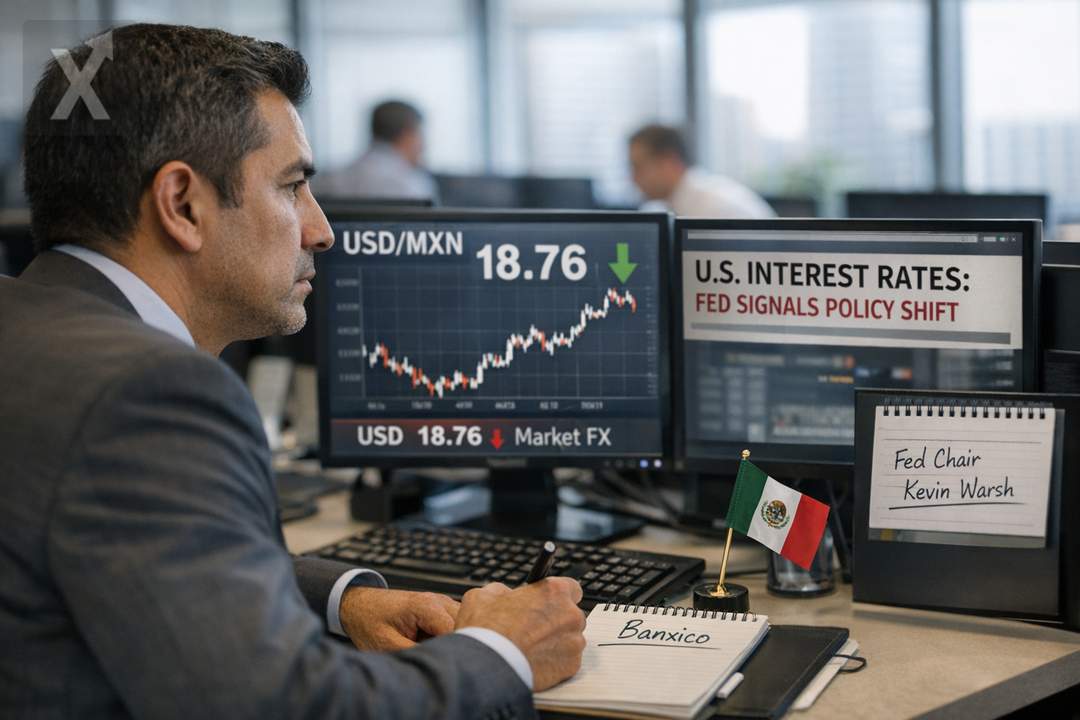
Kevin Warsh’s handoff at the Fed could shift the pace of U.S. rate cuts and, in turn, the peso’s path, imported inflation, and Mexico’s financing costs.
Kevin Warsh’s swearing-in as the new Chair of the Federal Reserve (Fed) marks a meaningful turn in the global monetary-policy conversation, at a time when U.S. inflation remains above the 2% target and the labor market is sending mixed signals. Warsh arrives with a “reform” message and the added challenge of preserving institutional credibility amid explicit political pressure from President Donald Trump to make credit cheaper.
For Mexico, the change is not a distant issue: the direction of U.S. interest rates tends to filter through to financing costs, capital flows, and the exchange rate. In an environment where the “rate differential” has been key to sustaining the peso’s appeal in carry-trade strategies, any signal that the Fed will keep rates higher for longer—or, conversely, accelerate cuts—can shift the balance in the foreign-exchange market and, with it, imported inflation and the policy decisions of the Bank of Mexico (Banxico).
Warsh succeeds Jerome Powell, who chose to remain on the Board—an uncommon decision that makes the Fed’s internal dynamics harder to read. The episode also revives the debate over central-bank independence. For investors with exposure to Mexico, the autonomy of U.S. monetary policy is a variable that influences risk premia, inflation expectations, and valuations across emerging markets.
The backdrop is still-elevated U.S. inflation, pressured—according to the report itself—by higher energy costs linked to geopolitical tensions, while some Fed officials have left the door open to further tightening if disinflation stalls. Warsh, for his part, has argued that innovation tied to artificial intelligence could boost productivity and growth without generating the same price pressures—an outcome that, if it materializes, would change the “floor” for global real interest rates in the coming years.
Transmission Channels to Mexico: The Peso, Inflation, and Banxico’s Decisions
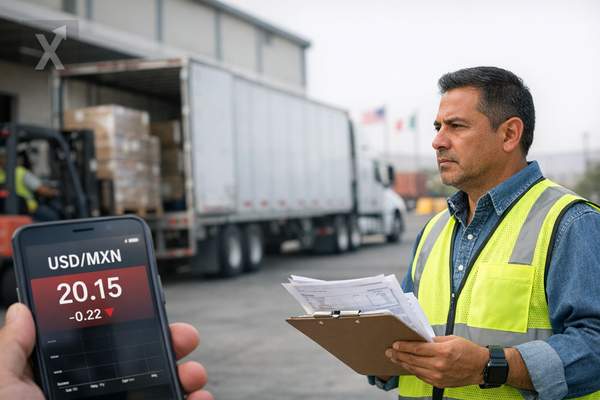
The most immediate channel for Mexico is the exchange rate. If the Fed adopts a more hawkish stance to deal with persistent inflation, the U.S. dollar tends to strengthen and currency volatility increases; that can make imports more expensive—energy, industrial inputs, and finished goods—and complicate Mexico’s disinflation process. In the opposite case, if the new leadership favors faster cuts, it could ease pressure on the dollar, support the peso, and give Banxico room to continue—carefully—the downward normalization of its policy rate without unanchoring expectations.
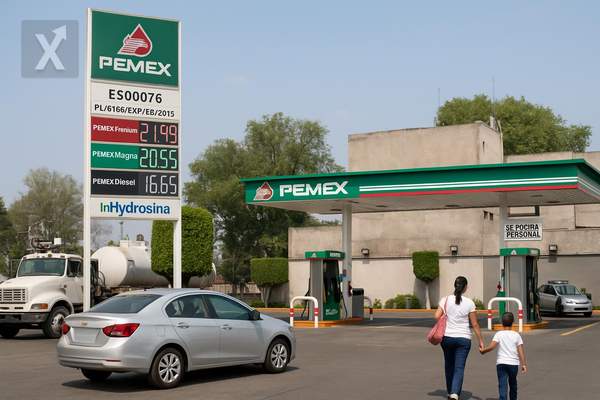
The second channel is the cost of financing. A prolonged cycle of high rates in the U.S. typically raises the yields demanded on Mexican sovereign and corporate debt, especially at longer maturities, which puts pressure on public-sector interest spending and makes private-sector refinancing more expensive. In a country where rating agencies and investors closely watch the fiscal balance and debt trajectory, the external “price of money” ends up shaping the room for public policy.
A third channel is credit and real economic activity. Mexico remains deeply integrated with the United States through trade, value chains, and remittances. If the Fed is forced to tighten and that cools U.S. demand, the impact can show up in Mexican manufacturing exports (autos, electronics, industrial equipment). By contrast, a more flexible Fed could sustain external demand—though with the risk that more persistent U.S. inflation prolongs uncertainty.
In markets, the Fed’s perceived independence matters as much as its decisions. The fact that President Trump publicly called for “total independence” for Warsh after a period of unusually heavy pressure on the central bank introduces a paradox: the political refrain can be read as an attempt to shield the Fed—or, depending on the context, as a reminder of ongoing tension. For Mexico, any erosion in confidence in the Fed as an institution typically translates into greater risk aversion and abrupt shifts in flows toward emerging markets.
On the domestic front, Banxico faces its own balancing act: keeping the fight against inflation without choking off activity, in a country where consumption depends on real wages, jobs, and credit, and where investment is still watching for signals of regulatory certainty and the momentum of nearshoring. On that chessboard, the trajectory of U.S. monetary policy is an external condition that can either expand or constrain local policy space.
Looking ahead, the key point for Mexico will be the mix of inflation and growth in the U.S.: if Warsh can steer expectations without triggering a recession, the scenario would be relatively benign for the peso and for disinflation in Mexico. If, instead, inflation re-accelerates due to energy or demand and forces rates to remain high, bouts of FX-market volatility are likely to increase and financial conditions for households, businesses, and the government are likely to tighten.
In short, the leadership change at the Fed is a reminder that Mexico’s economy operates with a decisive external anchor: the U.S. monetary cycle. For Mexican readers, the key is not the name of the new central-bank chair, but how his decisions reshape global rates, risk appetite, and the value of the U.S. dollar against the peso.