Biweekly inflation eases in May, but core inflation still sets the pace for Banxico
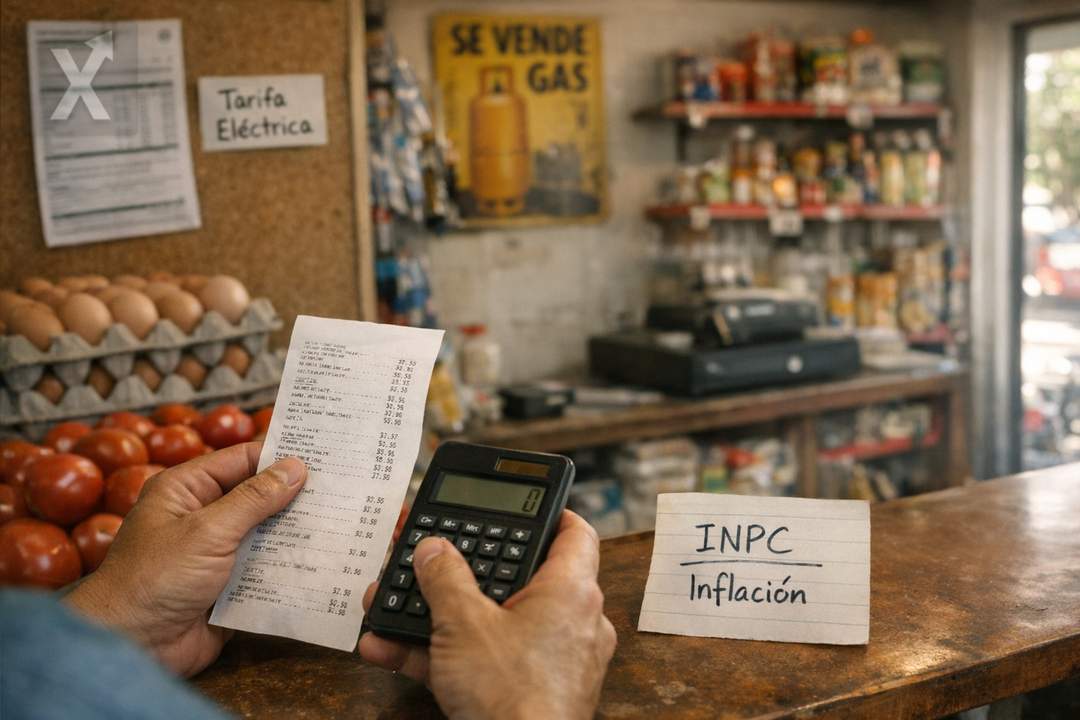
Lower electricity rates provided relief to the CPI, but services keep pressures in place, complicating a sustained return to the inflation target.
Inflation in Mexico showed some moderation in the first half of May, driven by a downward adjustment in electricity rates and declines in a few agricultural products. However, the details of the report confirm that the core component—the one that typically guides monetary policy decisions because it better reflects persistent pressures—kept moving higher, with services as the main focus for the market and for the Bank of Mexico (Banxico).
According to INEGI, Mexico’s National Consumer Price Index (INPC) fell 0.16% on a biweekly basis, bringing annual inflation to 4.11%. The figure suggests a pause in the uptick seen in previous months and is explained largely by the behavior of the non-core component, which is typically more volatile and sensitive to seasonal factors and supply shocks.
The contrast remained evident in core inflation: it rose 0.13% biweekly and reached 4.22% year over year, above headline inflation. Within the core index, goods posted a 3.83% annual increase, while services stayed stubborn at 4.59% year over year—signaling that costs tied to domestic demand and price indexation remain in place despite the temporary relief from energy prices.
In the non-core component, the index dropped 1.14% biweekly. Energy and government-administered prices fell 1.64% due to the start of the warm-season electricity tariff scheme in 11 cities, a seasonal effect that tends to repeat and often creates “downward spikes” in the headline index around this time of year.
Among the products with the largest declines were electricity, down 17.88%; tomatillo (green tomato), down 18.59%; and eggs, down 2.37%. In the opposite direction, tomatoes became 5.39% more expensive and household LP gas rose 1.81%, a reminder that agricultural and energy prices can shift quickly due to weather, logistics, or international factors.
Services: the hardest stretch to disinflate
Services were once again the most uncomfortable part of the report. Categories such as restaurants and lodging services posted 6.78% annual inflation, while insurance and financial services rose 6.14%. Economically, these readings often reflect greater rigidity: wages, rents, operating costs, and price-updating practices that respond more slowly on the way down. For households, that means the “relief” coming from electricity or certain foods doesn’t always show up as strongly in day-to-day spending tied to eating out, domestic travel, fees, premiums, or professional services.
Persistence in services is also linked to the broader macro backdrop: even as growth sends mixed signals amid the global slowdown, the labor market has held a relatively firm floor compared with other cycles, and many businesses continue to pass through costs. This is happening in a context where inflation’s convergence to Banxico’s 3% target has been slower than anticipated, making it necessary to distinguish between seasonal drops and a sustained disinflation trend.
For monetary policy, the data reinforce a cautious read: the decline in the headline index helps the outlook, but it doesn’t remove the challenge posed by core inflation. Banxico has reiterated that it will watch the inflation path—especially services—before making more decisive adjustments to its stance. In markets, that typically translates into expectations of gradual, highly data-dependent rate cuts, particularly if core inflation remains above the headline rate.
In addition, the episode underscores the importance of seasonal and administered factors: electricity rates can pull the INPC down for a couple of biweekly periods, but that effect fades as attention returns to the more persistent components. Meanwhile, moves in LP gas and fresh foods can revive volatility, especially during hot spells or weather disruptions that hit agricultural yields and supply chains.
In short, inflation got a breather in the first half of May thanks to electricity and some agricultural items, but the rise in core inflation—led by services—keeps the central message intact: the fight against underlying pressures isn’t over, and it will continue to shape Banxico’s room to maneuver in the coming months.