EU and Mercosur Activate Trade Deal: What It Could Mean for Mexico Amid Global Realignments
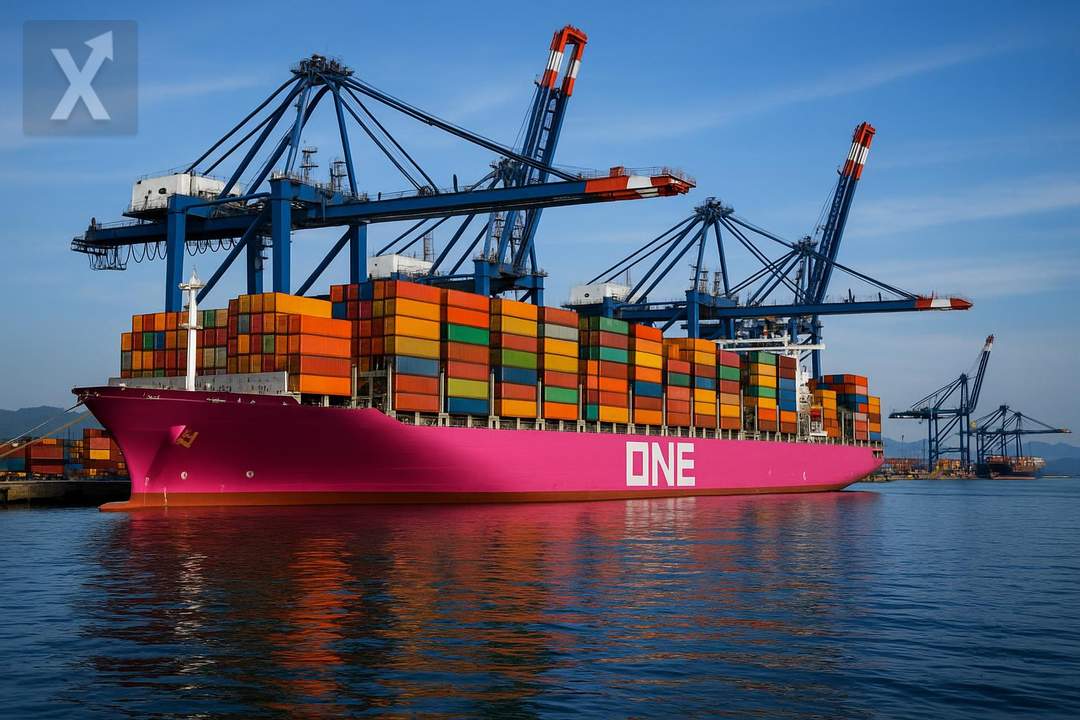
The provisional rollout of the EU–Mercosur pact reshapes trade and investment flows and forces Mexico to recalibrate its export and capital-attraction strategy.
The European Commission confirmed that the trade agreement between the European Union (EU) and Mercosur will begin to apply provisionally starting May 1, while legal questions within the European bloc are resolved. The pact aims to cut tariffs and expand trade in industrial and agrifood goods between the two regions—an arrangement that, in practice, could alter trade and investment patterns in which Mexico participates indirectly through global supply chains and competition for markets.
The announcement comes at a time when global trade is being pulled between protectionist pressures, economic-security-driven adjustments, and fiercer competition for manufacturing investment. For Mexico—whose export performance depends heavily on demand from the United States and on production integration across North America—any reshuffling of tariff preferences between the EU and South America can influence sourcing decisions, plant locations, and diversification strategies.
According to what was communicated in Europe, the agreement will enable the immediate elimination of certain tariffs and create more favorable conditions for the EU to sell vehicles, machinery, wines, and alcoholic beverages in Argentina, Brazil, Paraguay, and Uruguay. In exchange, Mercosur would gain improved access to Europe for products such as beef and poultry, sugar, rice, honey, and soybeans—categories that are politically sensitive in some European countries due to competition and standards concerns.
The provisional application mechanism will operate with countries that have completed ratification and formally notified before the end of March; Argentina, Brazil, and Uruguay have already done so, and Paraguay is expected to join. Underneath it all, the European debate blends environmental and traceability concerns with a strategic interest in strengthening its presence in South America amid China’s growing commercial footprint and recent episodes of tariff tension with the United States.
Competition for Investment and Value Chains: Mexico’s Angle
For Mexico, the most relevant impact is not necessarily in direct trade with the EU or Mercosur, but in competition for productive investment and in the redesign of supply chains. Preferential access for European manufacturers to South America could encourage new industrial platforms in Brazil or Argentina to serve that market at lower tariff costs—especially in sectors such as auto parts, electrical equipment, and certain capital goods. That shift could, at the margins, compete with Mexico’s nearshoring story aimed at North America, particularly if global companies decide to spread capacity across regions to reduce geopolitical and logistics risks.
At the same time, the agreement could also open opportunities for Mexican suppliers integrated into European-led chains operating in Mexico—for instance, in automotive and advanced manufacturing—if those firms expand their footprint in South America and require components or services from their current bases. Still, Mexico’s advantage remains concentrated in its proximity to the United States, the density of its trade-agreement network in North America, and the scale of its industrial base in key exporting states. To capitalize on that, domestic factors matter: access to electricity and water, border infrastructure, and regulatory certainty.
On the agrifood side, stronger Mercosur–EU flows could put pressure on prices or quotas in specific niches where Mexico participates as an exporter or competitor, though the effect will depend on sanitary rules, logistics, and seasonality. Mexico has built a meaningful agricultural export basket to the United States and, to a lesser extent, to Europe; the challenge is that South American competition with tariff preferences could raise the bar on quality, traceability, and compliance costs to hold or gain ground.
At the macro level, the episode underscores that trade diversification is picking up again on multiple fronts. Mexico—which has sought to deepen ties with Europe through the modernized framework of its agreement with the EU while also leveraging regional integration in North America—faces a landscape in which other blocs are also accelerating their insertion. The takeaway for Mexican exporting companies is clear: market access is no longer defined only by costs, but by rules of origin, environmental standards, and logistics speed.
Over the coming months, attention will focus on two tracks: the legal resolution within the EU and the specific way tariff cuts, quotas, and sanitary conditions are implemented. For Mexico, the EU–Mercosur agreement is a reminder that the trade chessboard changes fast—and that internal competitiveness (energy, infrastructure, human capital, and regulatory compliance) will be decisive for sustaining investment and export-led growth.
In short, the provisional application of the EU–Mercosur pact could redistribute advantages across industrial and agrifood sectors, intensifying competition for markets and investment. Mexico won’t be insulated from the effects and will need to fine-tune its capital-attraction and diversification strategy with strong domestic follow-through.






