Hacienda retira el estímulo a la Premium y recorta apoyos a Magna y diésel en medio de presiones en energéticos
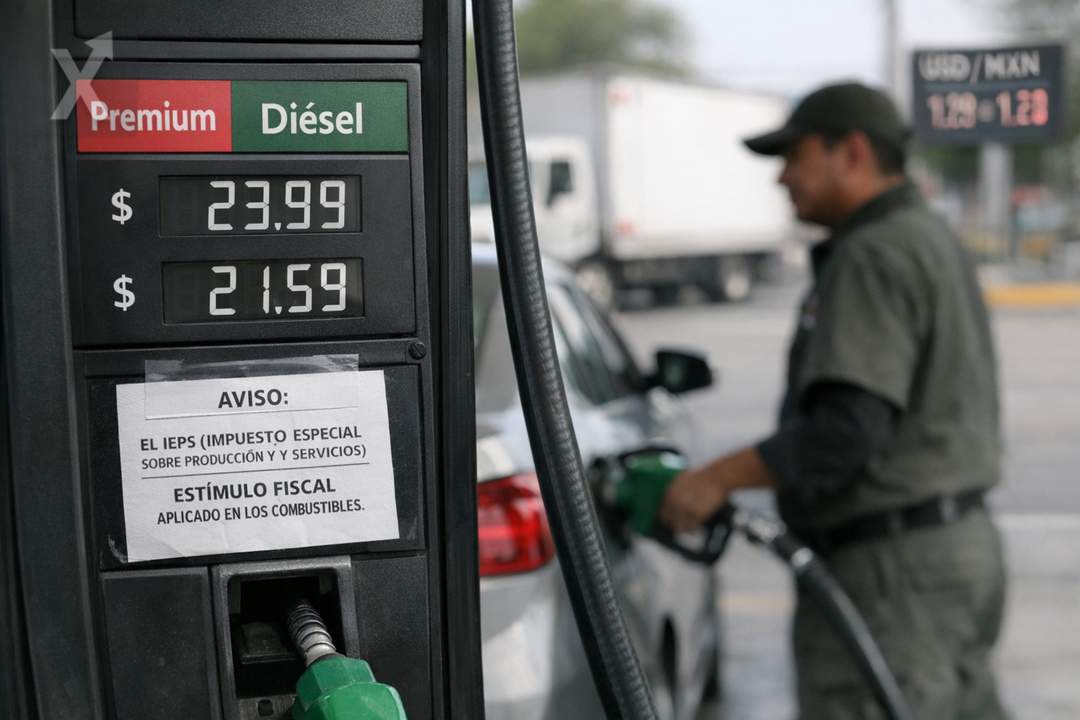
El ajuste al IEPS eleva el “colchón” fiscal sobre los combustibles y puede presionar la inflación y los costos logísticos si persisten los choques en el petróleo.
La Secretaría de Hacienda y Crédito Público (SHCP) retiró para la semana del 18 al 24 de abril el estímulo fiscal al Impuesto Especial sobre Producción y Servicios (IEPS) aplicable a la gasolina Premium, por lo que los consumidores pagarán la cuota completa de 5.66 pesos por litro. La decisión llega tras un mes en el que este combustible sí recibió descuentos parciales, y se da en un entorno de mayor volatilidad en los precios internacionales del crudo y sus derivados.
En los hechos, la medida significa que una porción relevante del precio final vuelve a cargarse a impuestos: con un promedio nacional cercano a 28.31 pesos por litro para la Premium, la cuota federal de IEPS ronda una quinta parte del precio al público, sin considerar otros componentes como el margen de comercialización, logística e IVA. El retiro del apoyo no implica por sí mismo un salto automático del precio en todas las estaciones, pero sí reduce el margen para amortiguar aumentos si el precio de referencia internacional sube o si el tipo de cambio se deprecia.
Hacienda también recortó el estímulo al diésel, combustible clave para el transporte de mercancías. El descuento será de 43.17% (muy por debajo del 80.3% de la semana previa), con lo que la cuota de IEPS federal queda en 4.18 pesos por litro. Para la gasolina Magna, el estímulo se reduce a 11.67% y la cuota se fija en 5.92 pesos por litro, el nivel de apoyo más bajo de las últimas semanas.
La política de estímulos al IEPS opera como una válvula de ajuste: cuando los energéticos se encarecen, el gobierno puede “ceder” parte de la recaudación para suavizar el traslado a consumidores; cuando los precios se estabilizan o cuando se busca fortalecer ingresos, el estímulo tiende a disminuir. En un año de alta sensibilidad para hogares y empresas, estos movimientos suelen reflejar el delicado balance entre inflación, finanzas públicas y costos de actividad económica.
Impacto potencial: inflación, transporte y finanzas públicas
El recorte de estímulos a diésel y Magna tiene implicaciones que van más allá del costo de llenar el tanque. El diésel es un insumo transversal para el autotransporte, por lo que un mayor IEPS efectivo puede traducirse en costos logísticos más altos y, gradualmente, en presiones para precios de alimentos, paquetería y bienes de consumo. En el caso de la Magna —la de mayor consumo— el ajuste puede sentirse con mayor rapidez en el bolsillo de los hogares, particularmente en ciudades donde la movilidad depende del automóvil y en regiones con menor competencia en estaciones de servicio.
Desde la óptica macroeconómica, los cambios al IEPS se vuelven relevantes para la trayectoria de la inflación. México ha avanzado en la desinflación, pero sigue expuesto a choques de oferta —energía y alimentos— que pueden complicar la convergencia a la meta del Banco de México. Si el encarecimiento internacional del petróleo se mantiene o si se intensifican disrupciones geopolíticas, la reducción de estímulos podría hacer más visible el traspaso a precios, elevando el riesgo de que la inflación subyacente tarde más en ceder.
Para las finanzas públicas, en cambio, disminuir estímulos puede fortalecer la recaudación del IEPS y dar mayor holgura presupuestaria en un entorno de gasto rígido y necesidades de inversión. El costo fiscal de los estímulos fue significativo en episodios recientes de alzas en energéticos; por ello, cada ajuste semanal también envía señales sobre el apetito del gobierno por sostener apoyos, el espacio fiscal disponible y la prioridad de mantener estables los precios al consumidor frente a otros objetivos.
En el corto plazo, el impacto final dependerá de la evolución de las cotizaciones internacionales de combustibles, del comportamiento del peso frente al dólar estadounidense y de los márgenes locales de distribución. Con un mercado que combina importaciones relevantes de combustibles, variaciones regionales de logística y competencia desigual, el “traslado” de un cambio en el IEPS puede ser heterogéneo: algunas zonas reflejan ajustes rápidamente, mientras otras los diluyen por periodos breves.
Hacia delante, la atención estará en si Hacienda vuelve a ampliar estímulos ante una escalada sostenida del crudo o si, por el contrario, privilegia la normalización del impuesto para apuntalar ingresos. En cualquier caso, el IEPS seguirá funcionando como un termómetro: cuando se reduce el apoyo, el gobierno apuesta a que los precios internacionales o el tipo de cambio permitirán absorber el costo sin desanclar expectativas; cuando se incrementa, busca evitar que el choque energético se filtre al resto de la economía.
En síntesis, el retiro del estímulo a la Premium y la reducción de apoyos a Magna y diésel elevan el componente fiscal del precio de los combustibles, con potenciales efectos en costos de transporte e inflación, al tiempo que mejoran la recaudación; el balance dependerá de la persistencia de las presiones externas y de la reacción del mercado interno.






