Oil Above $100: Why a Geopolitical Shock Is Squeezing Mexico’s Economy Again
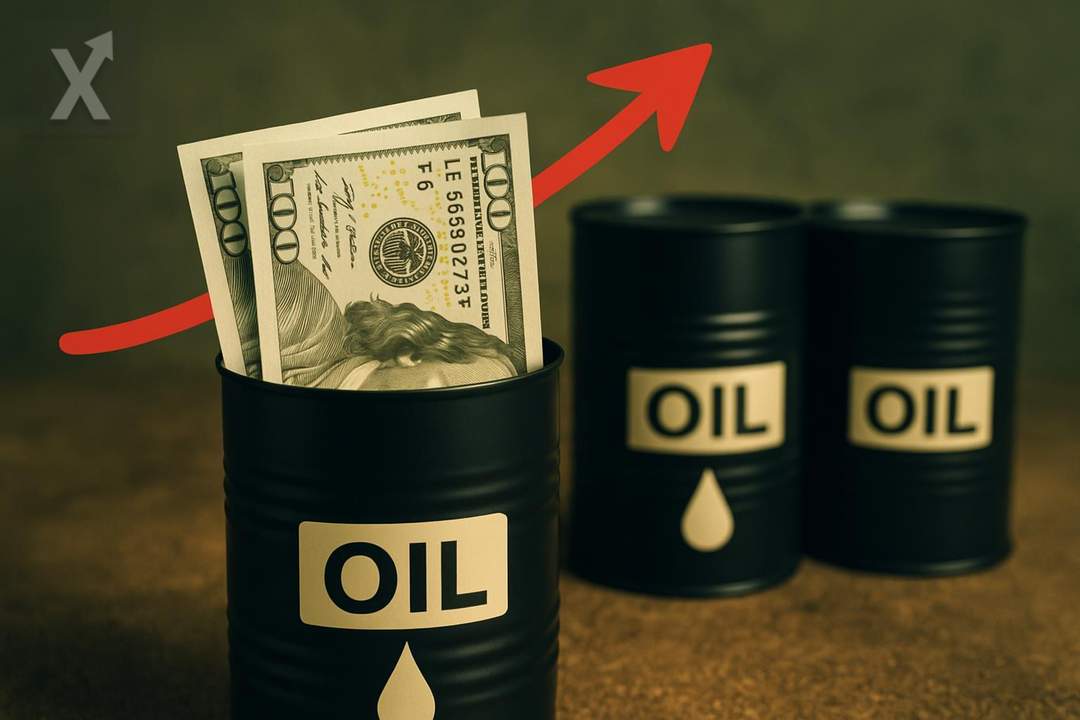
The escalation in the Middle East raised the oil risk premium and pushed energy costs higher—a shock Mexico would feel through inflation, the exchange rate, and public finances.
(Mexico City) The rebound in oil above $100 a barrel is not being driven by a “normal” supply-and-demand problem, but by a geopolitical risk shock that markets are repricing quickly. Even though the world’s major economies agreed to a record release of strategic reserves—led by the United States—the announcement failed to stabilize prices because investors are factoring in a real and prolonged disruption to flows out of the Persian Gulf.
The trigger is worsening security around energy infrastructure and key shipping routes, particularly near the Strait of Hormuz, which under normal conditions carries a significant share of global crude trade. When the market believes that bottleneck could remain impaired, releasing reserves works only as a temporary bridge: it eases inventories, but it doesn’t replace production or restore logistics.
For Mexico, this episode matters through two simultaneous channels. First, the inflation channel: higher energy costs feed into transportation, food, and services. Second, the financial channel: rising volatility tends to strengthen the U.S. dollar against emerging-market currencies, increasing the Mexican peso’s sensitivity to risk-off episodes and complicating Banco de México’s job of anchoring expectations in a high-rate environment.
Globally, the market is rewarding immediate availability and supply certainty—not just the total volume released. In other words, even a historic release can fall short if production cuts and logistical disruptions are larger and, above all, if there are no signs of de-escalation.
Implications for Mexico: Inflation, Banxico, and Fuel Prices
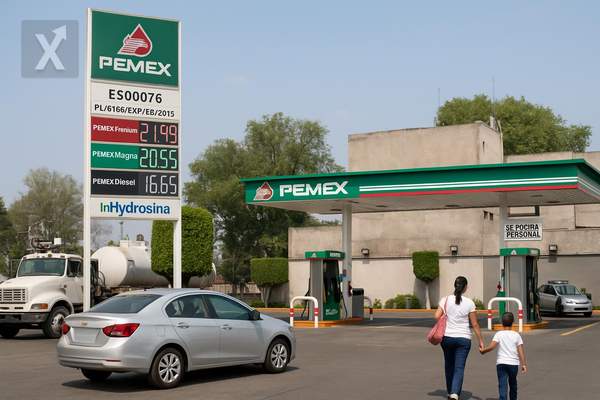
Persistently expensive oil typically translates into pressure on non-core inflation through the energy component, and into second-round effects if logistics and production costs are passed on to final prices. In Mexico—where consumption relies heavily on trucking and the domestic supply chain moves mostly by road—more expensive gasoline and diesel tends to filter through quickly. This backdrop can shift Banco de México’s risk balance: even if headline inflation continues trending down due to base effects, an external energy shock can slow the convergence process and force the central bank to keep a restrictive monetary stance for longer to protect expectations.
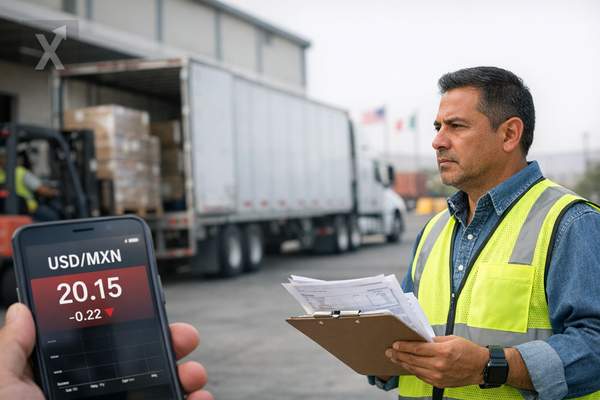
The transmission mechanism also runs through the foreign-exchange market: geopolitical flare-ups usually boost demand for USD as a safe-haven asset. If the peso depreciates, pricier energy imports and other dollar-priced inputs can amplify the inflation impact. In that scenario, monetary policy faces a classic dilemma: support activity with rate cuts or prioritize stability with caution—especially if international volatility persists.
On the fiscal side, the effect is not linear. High oil prices can increase the public sector’s oil revenue, but they also raise costs: fuel imports, subsidies or stimulus measures to smooth consumer prices, and pressure on companies in the energy sector. The net outcome depends on Mexico’s export-import mix, exchange-rate behavior, and the government’s strategy for cushioning swings in final prices.
Looking ahead, the critical variable will remain the duration of the conflict and the ability to normalize maritime transit and infrastructure operations in the region. If the market concludes the risks are sticking around, the “geopolitical premium” could persist even if additional reserves are released. For Mexico, that would mean a more challenging external environment: higher financial volatility, intermittent inflation pressure, and less room to maneuver on monetary and fiscal policy.
In short, the oil spike reflects less an inventory problem and more a risk-and-logistics shock; for Mexico, the impact would be concentrated in inflation, expectations, and the exchange rate, with Banxico facing a more complex risk trade-off.