CESF Warns of Signs of Fragility Among Nonbank Intermediaries, With No Immediate Systemic Risk
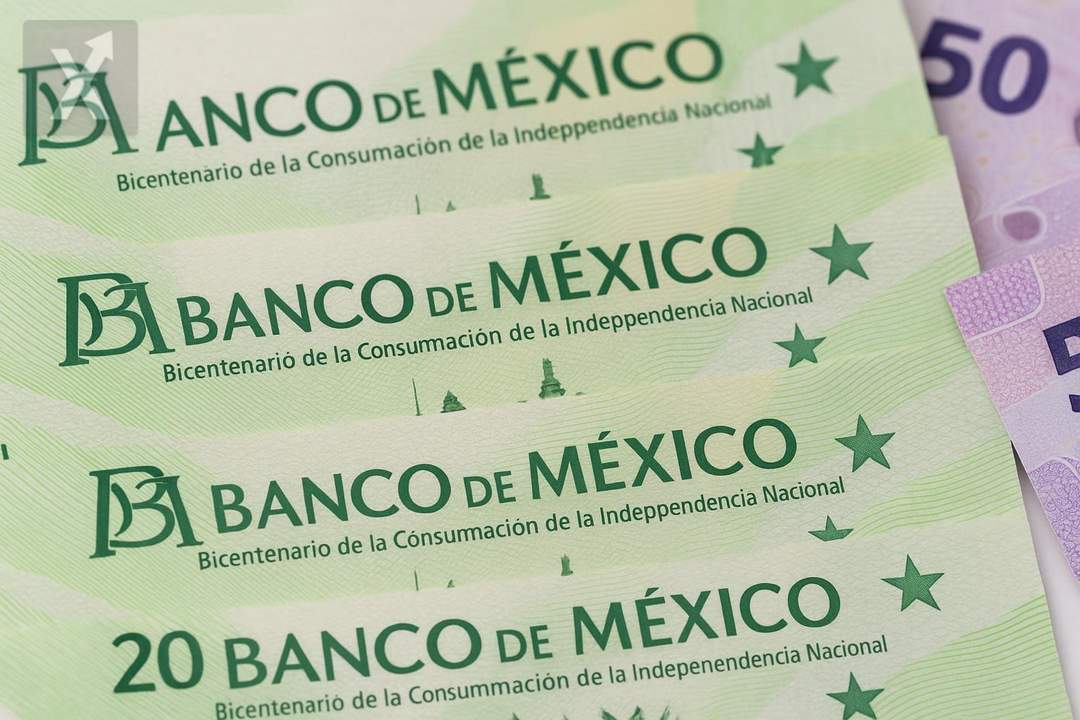
CESF found profitability and liquidity pressures in nonbank financial intermediaries, though banks remain solid and have limited exposure.
Mexico’s Financial System Stability Council (CESF) warned that several nonbank financial intermediaries are showing risk indicators tied to low profitability and liquidity strains—an area of focus that contrasts with the strength still seen in commercial banks, given their high capital levels and ample liquid resources.
In its latest assessment, the CESF stressed that banks’ and the rest of the financial system’s exposure to these entities is limited, so—under current conditions—no risk to the system as a whole is evident. Still, the authority emphasized the need for close monitoring amid a volatile international backdrop and a domestic economy moving forward with mixed signals.
The CESF’s reading comes at a time when financial stability depends not only on the health of large banks but also on the behavior of a growing ecosystem of nonbank players—such as certain finance companies, investment funds, SOFOMES, and other credit vehicles—which tend to be more sensitive to changes in funding costs and episodes of outflows.
On markets, the Council noted that the Mexican peso appreciated by about 3% against the U.S. dollar since the CESF’s previous meeting, in a context of relatively orderly trading and contained volatility. Even so, exchange-rate dynamics remain subject to adjustment episodes linked to global rates, risk appetite, and growth expectations.
Nonbank intermediation: why liquidity and profitability matter
Liquidity and profitability warnings among nonbank intermediaries often foreshadow an operational challenge: when net interest margins compress or delinquencies rise, these entities face greater difficulty refinancing or maintaining their pace of lending without weakening portfolio quality. Unlike traditional banking—which operates under stronger prudential regulation and has more stable access to deposits—many nonbank players rely on wholesale credit lines, securitizations, or short-term funding, making them more vulnerable if financing costs rise or market conditions tighten.
In Mexico, this matters because consumer credit and lending to small and mid-sized businesses have found a complementary channel in some nonbank structures. If these entities pull back on risk or tighten terms, some lending segments could slow—particularly in regions or niches where access to banking is more limited. Even so, the CESF maintains that the low level of interconnectedness with banks limits the potential for systemic spillovers.
As for larger-scale risks, the CESF’s Systemic Risk Perception Survey identified the economic growth outlook as the top concern. The diagnosis aligns with the fact that Mexico’s economy has moved through periods of slowdown and rebound, with performance closely tied to the U.S. industrial cycle, investment trends, and business confidence.
Looking ahead, the Council also pointed to global uncertainty stemming from geopolitical tensions in the Middle East and their potential effects on hydrocarbon prices and other commodities. For Mexico, energy shocks can feed into transportation and production costs, complicating the inflation path and shaping monetary policy decisions by the Bank of Mexico in an environment where price stability remains a central objective.
Based on available information, the CESF expects Mexico’s economy could post growth in the second quarter after the contraction seen in the first, though the balance of risks remains sensitive to external developments and domestic investment. In this context, the Council reiterated that it will continue monitoring economic and financial conditions—both international and domestic—and will act within its mandate if needed to preserve the orderly functioning of the system.
In sum, the CESF sees banks as well cushioned, but urges attention to early signs of stress among nonbank intermediaries and to a global environment that could reignite volatility, including moves in the peso versus the U.S. dollar.






