Mexico Adds the United Kingdom to CPTPP Preferences and Opens a New Phase for Bilateral Trade
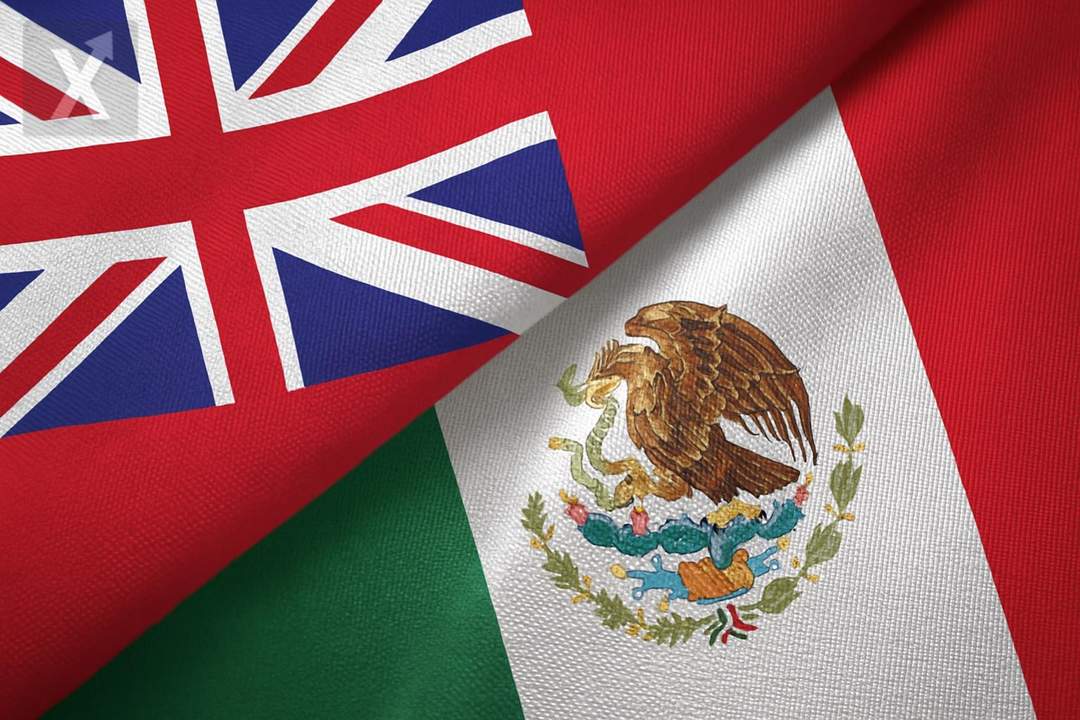
The tariff update published in the Official Gazette (DOF) enables CPTPP preferential treatment for UK imports that meet rules of origin.
Mexico has formally incorporated the United Kingdom into the preferential tariff framework of the Comprehensive and Progressive Agreement for Trans-Pacific Partnership (CPTPP), an adjustment aimed at giving full operational effect to the UK’s Accession Protocol within Mexico’s legal framework. The measure, published in the DOF, amends General Import Tax rates so customs authorities apply to the UK the same preferential treatment already granted to the bloc’s other members.
The move follows a phased implementation period: while the UK began integrating into the CPTPP with other members starting in 2024, Mexico completed its internal procedures on April 23, and the protocol took effect for the country on June 22, 2026. In practical terms, this means goods originating in the UK may enter Mexico with reduced tariffs—or, in some cases, duty-free—so long as they certify origin under the agreement’s rules and meet the corresponding administrative requirements.
Bilateral trade had already been showing momentum. Trade between Mexico and the UK reached $5.688 billion in 2025, according to what was reported in the underlying announcement, in an environment where companies are looking to diversify markets and supply routes. For Mexico, the regulatory adjustment is intended to reduce friction in customs clearance and provide greater certainty for importers and producers that use UK inputs, particularly in supply chains that rely on specialized components.
Mexico’s Ministry of Economy also updated appendices to include the UK in tariff lines and preference codes applicable to specific products—including dairy items, cheeses, butter, and certain food preparations—where market access may be subject to particular conditions and tariff phaseout schedules. Under the CPTPP’s structure, some goods will remain on gradual reduction tracks that, depending on the category, conclude between 2027 and 2033.
Implications for Prices, Competition, and Regulatory Compliance
The UK’s entry into the preferential regime may translate into targeted cost changes for Mexican companies that import machinery, auto parts, specialty chemicals, medical equipment, or processed foods, provided the origin is eligible. However, the final effect on consumer prices is usually limited and uneven, because tariffs are only one part of total cost: exchange rates, freight, insurance, warehousing, and domestic logistics all carry significant weight, along with competition in the local market.
Likewise, the published instrument makes clear that tariff preferences do not replace compliance with non-tariff regulations. In practice, this means requirements such as Mexican Official Standards (NOMs), sanitary and phytosanitary rules, permits, labeling, and customs procedures remain in force. For the private sector, the operational challenge will be to document CPTPP origin consistently and avoid setbacks during inspections—especially for goods with complex production chains.
At the macro level, the decision fits into a context in which Mexico is seeking to strengthen its network of agreements to sustain exports and investment amid a more fragmented global trading environment. While the CPTPP does not replace North America’s weight in the Mexican economy, it does expand the rules-based platform for trading with 12 economies (Australia, Brunei, Canada, Chile, Japan, Malaysia, Mexico, New Zealand, Peru, the United Kingdom, Singapore, and Vietnam) and reinforces the diversification narrative—particularly relevant for sectors competing to attract advanced manufacturing projects.
For the UK, preferential access in Mexico provides an additional channel to sell goods with greater tariff certainty, at a time when British companies have sought to expand their presence in markets outside Europe. For Mexico, the opportunity lies both in more competitive imports of inputs and in using the CPTPP framework to boost value-added exports to that market—always subject to compliance with rules of origin and technical standards.
In short, the DOF publication does not create a new treaty, but it does enable its effective application to the UK and reduces ambiguity for trade. The impact will be gradual and sector-specific, with benefits concentrated where tariffs were still meaningful and where documentary and regulatory compliance is managed efficiently.






