The UN’s projected global slowdown ramps up pressure on Mexico: trade, energy, and the exchange rate in focus
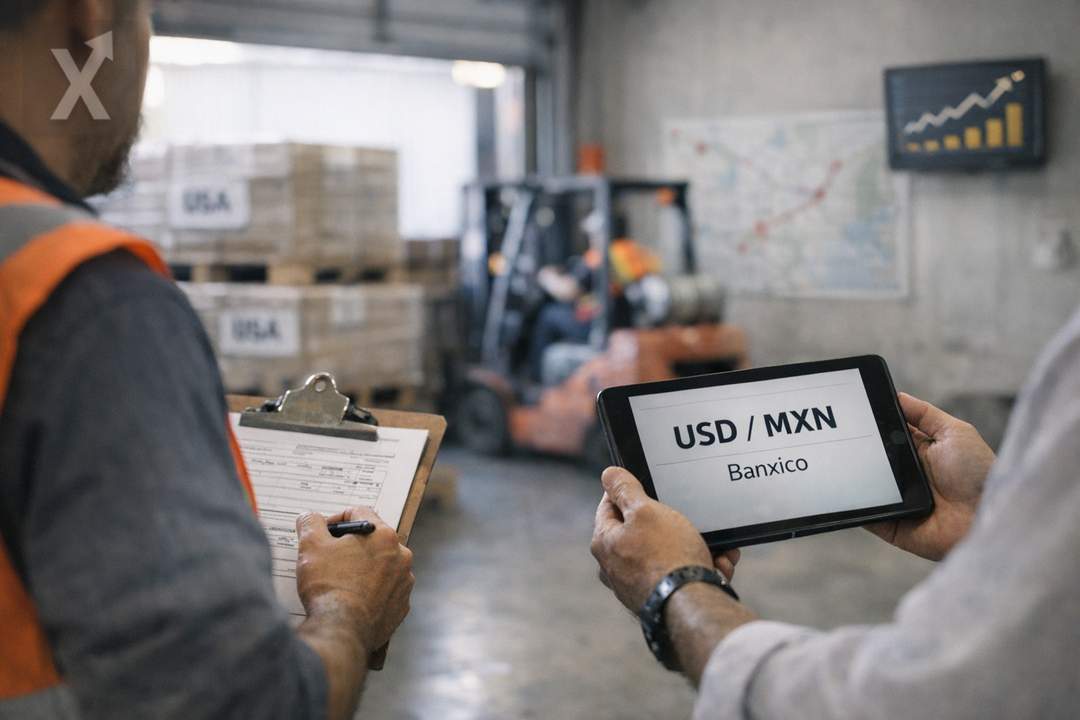
Slower global growth in 2026 could cool Mexico’s exports and investment, just as energy and logistics shocks persist.
The global economy could enter a lower-momentum phase in 2026, with slower growth and greater financial volatility, according to the United Nations Conference on Trade and Development (UNCTAD). For Mexico—a country deeply integrated into international trade and tightly linked to the United States through production—the message matters: a less dynamic external environment typically shows up as weaker demand for manufactured goods, more cautious investment, and bouts of anxiety in the foreign-exchange market.
UNCTAD expects global growth to moderate versus 2025, in a setting shaped by geopolitical tensions that push up energy prices, complicate shipping routes, increase demand for “safe-haven” assets, and, as a result, raise the cost of financing. These factors tend to hit emerging economies harder because of their reliance on imported inputs, international logistics, and risk-sensitive capital flows.
For Mexico, the trade channel is especially important. Export manufacturing—autos, auto parts, electrical and electronic equipment, machinery—depends on the U.S. industrial cycle and on stable supply chains. If global goods trade cools, as UNCTAD forecasts, external tailwinds could weaken even if Mexico retains advantages from nearshoring and the USMCA framework.
The second channel is energy. Mexico produces oil, but it also imports fuels and natural gas; in addition, a large share of its industry is energy-intensive. A sustained rise in energy prices tends to feed into transportation and production costs, putting pressure on core inflation and squeezing corporate margins—at a time when domestic consumption is already showing signs of normalizing after the rebound of recent years.
The third channel is financial. A “flight to quality” episode typically strengthens the U.S. dollar and puts pressure on emerging-market currencies. For Mexico, that can translate into a more volatile peso, affecting import prices and the cost of FX hedging. In this environment, the response from the Bank of Mexico (Banxico) becomes critical: its balancing act between cementing disinflation and not choking off growth will be closely watched by businesses, households, and markets.
Trade with the United States: the main gauge for 2026
Deep production integration with the United States means Mexico’s economy reacts quickly to changes in orders, inventories, and industrial output north of the border. A global slowdown can hit the U.S. through higher energy costs and weaker investment, and that then spills over to Mexico via exports, manufacturing employment, and tax revenue tied to economic activity. Even with the “cushion” provided by nearshoring, whether projects move forward depends on regulatory certainty and the availability of energy, water, and logistics infrastructure; if the world becomes more uncertain, the bar for committing to investments rises and timelines tend to stretch out.
On the domestic front, Mexico enters 2026 with both strengths and vulnerabilities. On the plus side: a relatively solid financial system, a central bank with anti-inflation credibility, and a labor market that has shown resilience. On the downside: ongoing challenges to boost productivity, expand electricity generation and transmission, and reduce logistics bottlenecks. On top of that, global financing costs may remain restrictive if supply shocks and volatility persist, which typically limits risk appetite for emerging markets.
UNCTAD also underscores that this moment opens pathways to strengthen resilience through renewable energy, whose cost competitiveness has improved. For Mexico, accelerating investment in clean generation and grid networks—along with storage and modernization—not only reduces exposure to fossil-fuel crises; it can also become a competitiveness factor for export industries facing rising carbon-footprint requirements across global supply chains.
Looking ahead, Mexico’s baseline scenario will depend on whether the global slowdown remains orderly or turns into more severe supply and transportation disruptions. A “soft” path would allow the country to sustain moderate growth supported by consumption and exports, while nearshoring-related investment advances gradually. An adverse scenario—expensive energy, disrupted sea lanes, and heightened risk aversion—would test exchange-rate stability, private investment, and the ability of public policy to cushion shocks without eroding confidence.
In short, the UN’s warning about a more fragile 2026 suggests Mexico will face a less predictable external environment: performance of trade with the United States, the cost of energy, and financial stability will be decisive variables for maintaining growth and containing risks.






