Mexico Tightens the Net Around Illicit Money: FATF’s Call Raises Pressure on Banks and Businesses as New Funding Routes Emerge
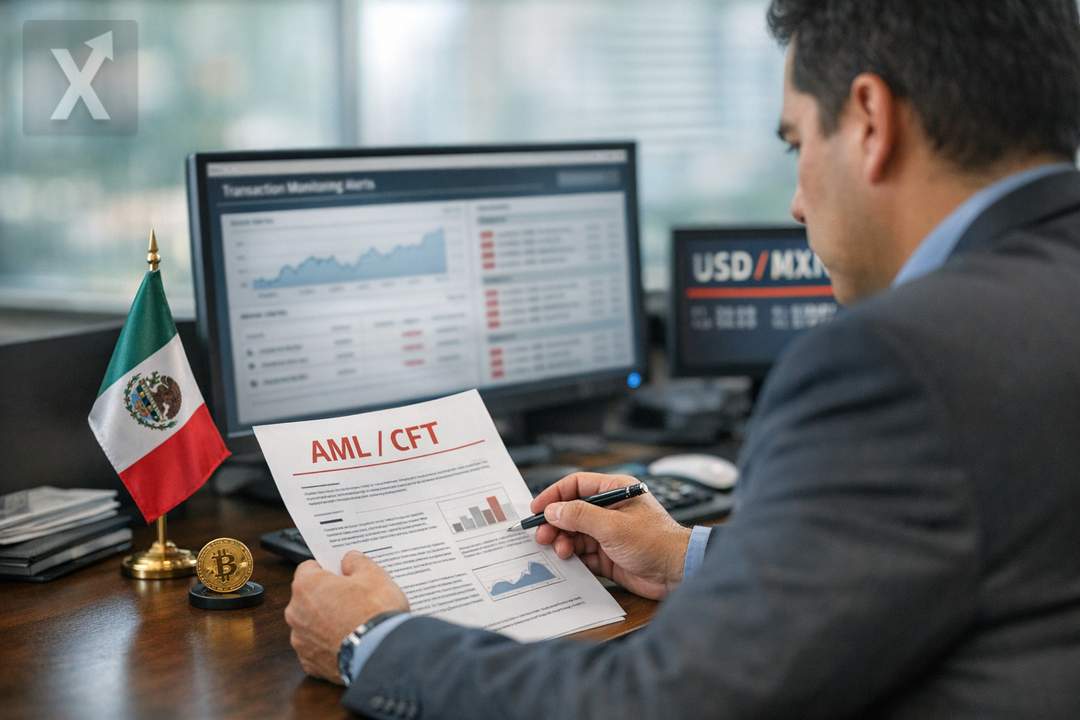
International cooperation to combat terrorist financing is becoming more urgent, increasing scrutiny of flows, sanctions, and digital assets.
The warning from the Financial Action Task Force (FATF) out of Paris—that countries “have no choice but to cooperate” to stop terrorist financing—lands at a moment of geopolitical tension that complicates information sharing and alignment of priorities. For Mexico, the message has direct implications: the Mexican economy is deeply integrated into global financial and trade networks, and any sign of weakening controls against money laundering and terrorist financing can translate into higher compliance costs, cross-border friction, and reputational risks for the financial system.
The FATF coordinates international standards and assesses national frameworks to prevent money laundering and illicit financing. In recent years, its agenda has tightened as mechanisms evolve: the digitization of payments, the spread of virtual assets, and greater decentralization of cells operating through small transfers, layering, and the use of intermediaries. That shift matters to Mexico in two ways: because of the size of the remittance and transfer market, and because banks, fintechs, and businesses need to reinforce due diligence for transactions that can cross multiple jurisdictions in seconds.
At the “No money for terror” conference, officials underscored that financial intelligence has helped thwart attacks and that cooperation works when governments share alerts, typologies, and operational data. However, the international political environment has become more rigid. The stance of the United States, in particular, has pushed for tighter coordination on sanctions—including those tied to Iran—and for a firm response to organizations deemed terrorist or high-risk, explicitly mentioning the Sinaloa Cartel. That callout increases pressure on institutions with exposure to the U.S. system to adjust controls and reporting, especially where transactions are conducted in USD.
For Mexico, the impact isn’t only regulatory. The economy depends on trust in its financial channels to sustain investment, credit, and foreign trade. When global standards rise, banks often respond with “de-risking” policies (reducing relationships or services in segments considered risky), which can affect certain industries, correspondent banking, nonprofits, and heavy transfer users. In a country with significant informality and gaps in financial inclusion, the challenge is to raise controls without pushing activity into opaque channels.
Virtual Assets, Compliance, and Banxico’s Role in the New Environment
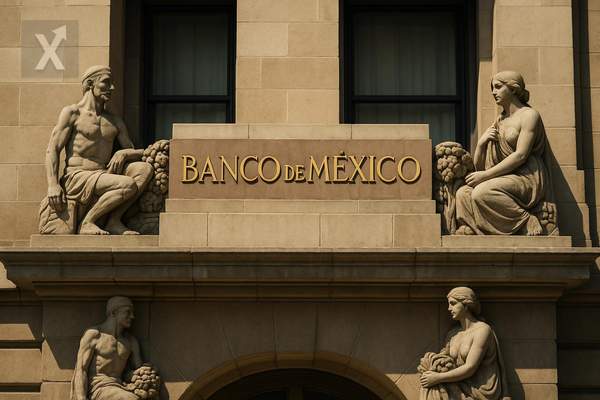
The FATF’s mention of virtual assets and the digital economy puts a spotlight on a sensitive point in Mexico: the expansion of tech-based payment platforms and growing interest in cryptoassets such as Bitcoin. While Mexico’s framework recognizes financial technology institutions and sets anti-money laundering obligations, supervision and compliance face a fast-moving innovation environment. Adding to that, Banxico has maintained a cautious stance on the use of cryptoassets within the financial system, prioritizing stability and operational risk management. In practice, the international standard pushes toward stronger customer identification processes, transaction monitoring, and traceability, as well as better coordination among financial authorities, financial intelligence units, and prosecutors to respond quickly to new terrorist-financing typologies.
At the same time, the evolution of the threat—more fragmented and featuring isolated actors—suggests risk signals may be smaller and harder to detect. For Mexico’s financial sector, that means investing in analytics, automation, and training, as well as improving data quality. For companies—especially those that import, export, or manage logistics—the challenge is to strengthen internal controls and counterparty management, because illicit networks often exploit weak links in supply chains and service providers.
The backdrop is economic: the cost of noncompliance can show up as fines, loss of correspondent relationships, delays in international payments, and heightened scrutiny of legitimate transactions. On the other hand, a strong and credible framework improves access to financing, reduces risk premiums, and protects the continuity of cross-border flows. At a time when Mexico is looking to sustain investment tied to export manufacturing and consolidate its position in North America, staying aligned with FATF standards is part of the invisible infrastructure that supports competitiveness.
In broader perspective, the FATF’s emphasis on cooperation suggests Mexico will need to keep fine-tuning interagency coordination and collaboration with partners—especially the United States—without losing sight of the balance between financial security and inclusion. The debate is no longer whether there will be more oversight, but how to make it more effective in an ecosystem where traditional transfers, digital payments, and virtual assets coexist.
In sum, the FATF’s call reinforces a global trend: more information sharing, higher standards, and more pressure on banks and businesses to identify risks in real time. For Mexico, the challenge will be strengthening controls without slowing formal economic activity or unnecessarily raising the cost of legitimate flows that support trade, investment, and consumption.