México se afianza en Canadá: exportaciones al alza y una nueva agenda rumbo a la revisión del T-MEC
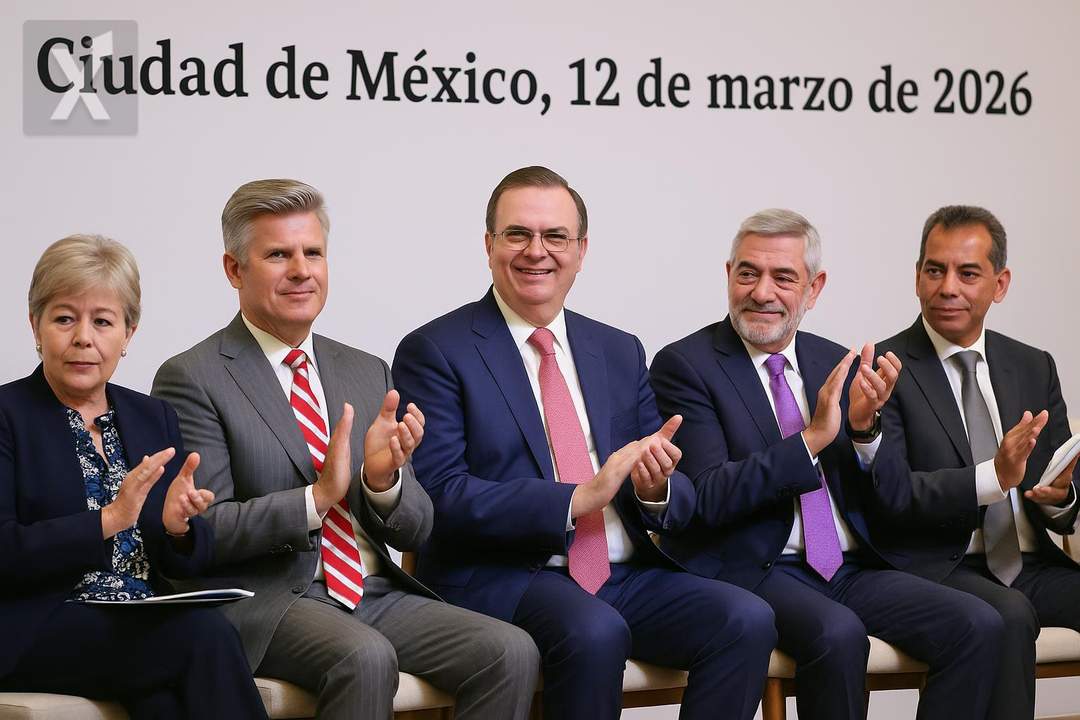
México amplió su superávit con Canadá en 2025 y busca convertir el repunte exportador en una estrategia de diversificación ante la volatilidad regional.
En medio de un entorno de comercio internacional más incierto y con episodios de presión arancelaria en América del Norte, México está ganando participación en el mercado de Canadá. Las exportaciones mexicanas hacia ese país sumaron 22,169 millones de USD en 2025, un crecimiento anual de 17%, de acuerdo con cifras de Banco de México (Banxico). En contraste, las importaciones mexicanas provenientes de Canadá alcanzaron 12,555 millones de USD, con una caída de 3.6%, lo que amplió el superávit comercial mexicano en la relación bilateral.
La tendencia se mantuvo al inicio de 2026. En enero, las ventas mexicanas a Canadá ascendieron a 1,773 millones de USD, 27% más que en el mismo mes del año previo, mientras que las compras desde Canadá retrocedieron alrededor de 7%. El desempeño, aunque todavía menor frente al intercambio que ambos países sostienen con Estados Unidos (EUA), confirma un reacomodo relevante: México está aprovechando nichos de demanda y cadenas de suministro regionales que se han fortalecido tras los choques logísticos globales y la búsqueda empresarial de proveedores más cercanos.
Buena parte del impulso proviene del sector manufacturero. El equipo de transporte —que incluye vehículos, camiones y autopartes— concentra cerca de la mitad de las exportaciones mexicanas hacia Canadá. Este peso del segmento automotor se explica por la integración productiva de la región bajo el T-MEC, por los requerimientos de contenido regional y por la necesidad de abastecer una demanda que combina ventas finales y reposición de inventarios. Para México, el dato tiene implicaciones claras: cualquier ajuste regulatorio o de reglas de origen en la revisión del acuerdo puede trasladarse de forma directa a su balanza bilateral y a la actividad industrial de estados con vocación exportadora.
Del lado canadiense, el crecimiento de las importaciones desde México convive con un diagnóstico de relación “subdesarrollada”. Organismos empresariales canadienses han subrayado que México representa alrededor de 1.1% de las exportaciones totales de Canadá, un porcentaje bajo para un socio del mismo bloque comercial. Ese desbalance ayuda a explicar el renovado interés de Ottawa por profundizar vínculos con México, tanto para diversificar mercados como para reposicionar proyectos de inversión en sectores estratégicos.
En ese contexto, Canadá arrancó 2026 con una misión comercial enfocada en México, dentro de su iniciativa Team Canada Trade Mission, que convocó a empresas y cámaras de industrias como energía, minería, agroindustria, transporte, tecnología, servicios financieros y consultoría. Participó el ministro Dominic LeBlanc, con un mensaje centrado en reforzar la integración norteamericana en un momento previo a la revisión del T-MEC.
La respuesta mexicana también se formalizó. La Secretaría de Economía, encabezada por Marcelo Ebrard, abrió una convocatoria para que empresas mexicanas participen en una misión comercial en Canadá del 7 al 9 de mayo, con registro entre el 12 de marzo y el 11 de abril. La visita busca promover productos nacionales, explorar oportunidades de inversión y, de manera paralela, abrir conversaciones bilaterales sobre el futuro del tratado. El gobierno federal, bajo la administración de Claudia Sheinbaum, ha insistido en ampliar la presencia comercial del país en mercados que complementen la alta dependencia de la demanda estadounidense.
Más allá de los autos: inversión, logística e infraestructura como “segunda capa” del intercambio
El crecimiento exportador hacia Canadá no se limita a un buen año de manufactura; también se apoya en una “segunda capa” de integración: inversión y logística. En la última década se ha observado un incremento relevante de la inversión canadiense en México, y han surgido proyectos que conectan con la infraestructura crítica del comercio: redes ferroviarias con tráficos aduaneros más directos, mayor capacidad de carga aérea entre ciudades clave y operaciones portuarias orientadas a reconfigurar rutas. Estos movimientos cobran importancia porque la diversificación comercial no depende solo de vender más, sino de reducir costos de transporte, mejorar tiempos de entrega y elevar certidumbre regulatoria, variables que pesan especialmente en sectores como autopartes, agroalimentos y equipo industrial.
En meses recientes se han anunciado operaciones empresariales que apuntan a esa dirección, incluyendo adquisiciones y alianzas en minería, tecnología y logística. Para México, la implicación es doble: por un lado, se amplía el abanico de inversión productiva y de servicios; por otro, se vuelve más urgente armonizar reglas, facilitar trámites y fortalecer infraestructura en aduanas, puertos y corredores ferroviarios para que el mayor intercambio no se traduzca en cuellos de botella.
El debate regulatorio también está en el trasfondo. Con el T-MEC, algunas protecciones a la inversión y mecanismos de solución de controversias se ajustaron respecto al TLCAN, lo que elevó el peso de la certidumbre doméstica en cada país. En México, ese factor se enlaza con la agenda de competitividad: disponibilidad de energía, seguridad en rutas logísticas, calidad de infraestructura y reglas claras para nuevos proyectos. En Canadá, el interés por equilibrar la relación comercial se combina con la necesidad de asegurar suministros estratégicos y ampliar mercados para sus exportadores.
Hacia adelante, la revisión del T-MEC en 2026 funciona como un ancla de calendario. Para México, consolidar el avance en Canadá puede servir como válvula de diversificación dentro de América del Norte, pero su alcance dependerá de que el dinamismo exportador se sostenga más allá del ciclo automotor y de que se traduzca en nuevos encadenamientos productivos. Para Canadá, el reto será convertir misiones comerciales y acuerdos empresariales en mayor penetración efectiva en el mercado mexicano.
En conjunto, el repunte de exportaciones mexicanas a Canadá y la caída de importaciones desde ese país amplían el superávit, pero también exhiben una relación con espacio para crecer en ambos sentidos. El comercio bilateral está ganando relevancia como herramienta de resiliencia regional, aunque su consolidación dependerá de infraestructura, certidumbre y de cómo evolucione la negociación del T-MEC.






