Relief in Global Food Prices, but El Niño Keeps Mexico’s Inflation on Edge
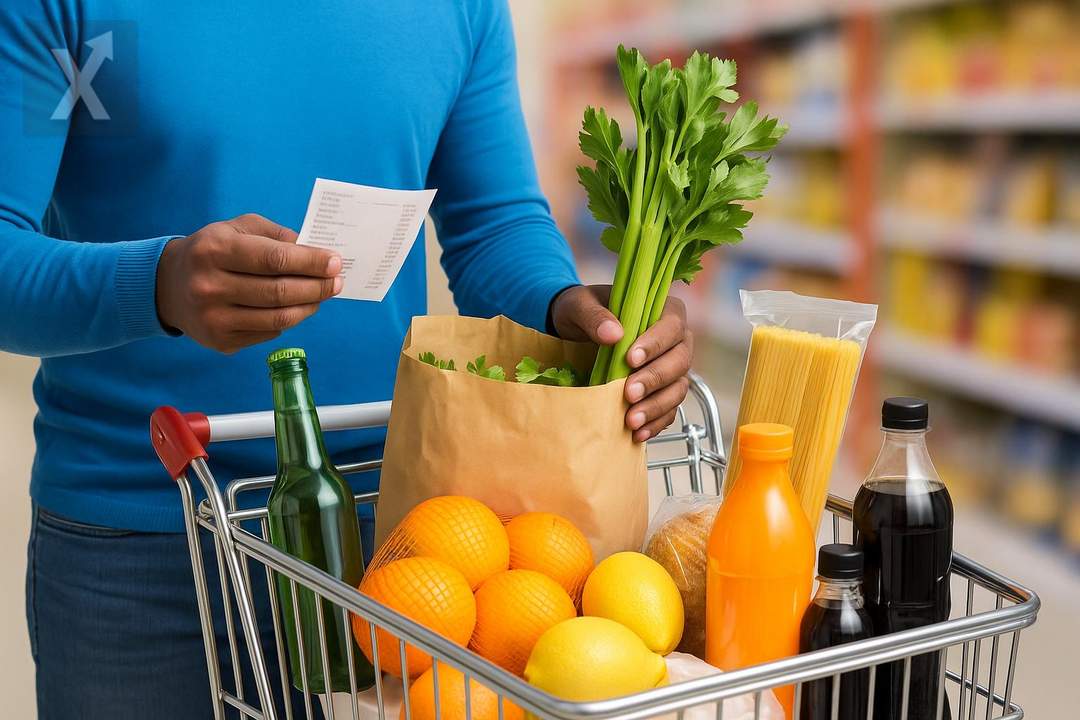
The international drop in grains and sugar could help temper costs, though weather, energy, and the exchange rate remain key risk factors for Mexico.
International food prices posted a slight decline in June compared with the previous month, driven by lower prices for cereals, dairy, and sugar, according to the Food and Agriculture Organization of the United Nations (FAO) index. Even with that month-to-month breather, the indicator remained above its level from a year earlier, in an environment where energy costs and geopolitical tensions have added volatility to commodity markets.
For Mexico, these moves are not abstract: a meaningful share of the cost of the basic consumer basket is passed through—often with a lag—to consumer prices. Grains, in particular, are a core input across the food supply chain (from flours to animal protein), so an international decline in cereals tends to ease cost pressures for industry and retailers, even if it does not always translate immediately into lower prices at the checkout.
The FAO reported that the cereals component fell sharply during the month, influenced by harvests and availability in the global market. In parallel, sugar also declined, though with a “floor” stemming from concerns that El Niño could hurt yields among major producers. By contrast, vegetable oils rose and meat stayed on an upward track, showing that shocks vary by product and depend on both agricultural supply and industrial demand (for example, biofuels).
For Mexico, the inflation read-through is mixed: if grains and some sweeteners fall, there could be less pressure on processed foods; but increases in oils and certain proteins can keep the cost of prepared foods and some frequently purchased items elevated. In addition, pass-through depends on inventories, contracts, logistics, and distribution margins.
El Niño, Energy Costs, and the Exchange-Rate Channel: What Mexico Should Watch
The FAO’s main warning is the “growing risk” associated with El Niño, which often disrupts rainfall and temperatures with direct effects on agricultural yields. For Mexico, this cuts two ways: on the one hand, it can affect domestic harvests (and thus local prices for fruits, vegetables, or grains in specific regions); on the other, it can make imports more expensive if harvests shrink in key countries. Mexico is a major importer of feed grains such as yellow corn for livestock use, so an external shock can show up in production costs for meat, eggs, and dairy.
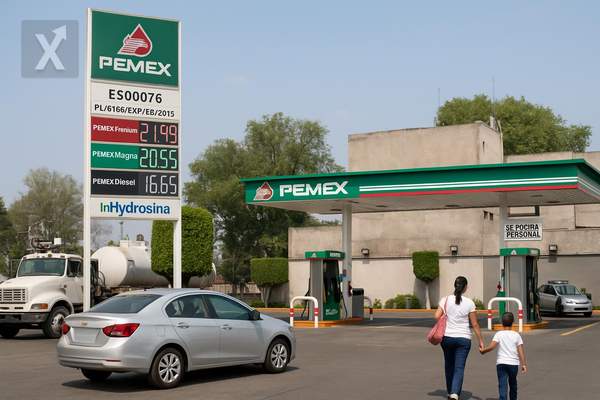
That weather factor is compounded by energy costs. When fuel or electricity prices rise, the entire chain becomes more expensive: fertilizers, irrigation, transportation, refrigeration, and processing. In recent years, the energy component has amplified food shocks globally, and Mexico is no exception given its reliance on fuels and the heavy role of trucking in logistics.
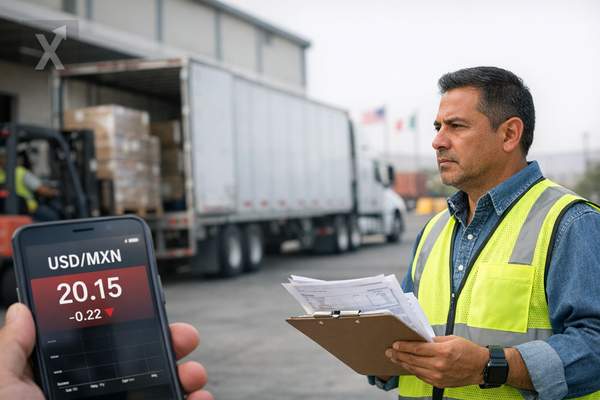
A third channel is the exchange rate against the U.S. dollar (USD). While the peso has gone through periods of relative strength, its volatility can speed up or slow down the pass-through of international prices to imports of food and agricultural inputs. A depreciation makes external purchases costlier even if the international price falls; an appreciation, by contrast, can help contain costs—though the final effect depends on hedges, timing, and market structure.
Looking ahead to the next few quarters, the balance of risks for Mexico points to caution: the monthly moderation in the global index is a positive signal, but it does not eliminate risks. If El Niño cuts output in exporting regions or drives up logistics costs, food inflation could reaccelerate, complicating the disinflation path and squeezing purchasing power—especially for lower-income households, where food makes up a larger share of spending.
In short, the recent decline in international prices for some staples opens a window of relief, but how El Niño develops, along with energy and the exchange rate versus the U.S. dollar (USD), will continue to determine how quickly—and how much—those changes show up on Mexican tables.