U.S. Moratorium on Refunding Tariffs: What It Means for Mexican Exporters and the Exchange Rate
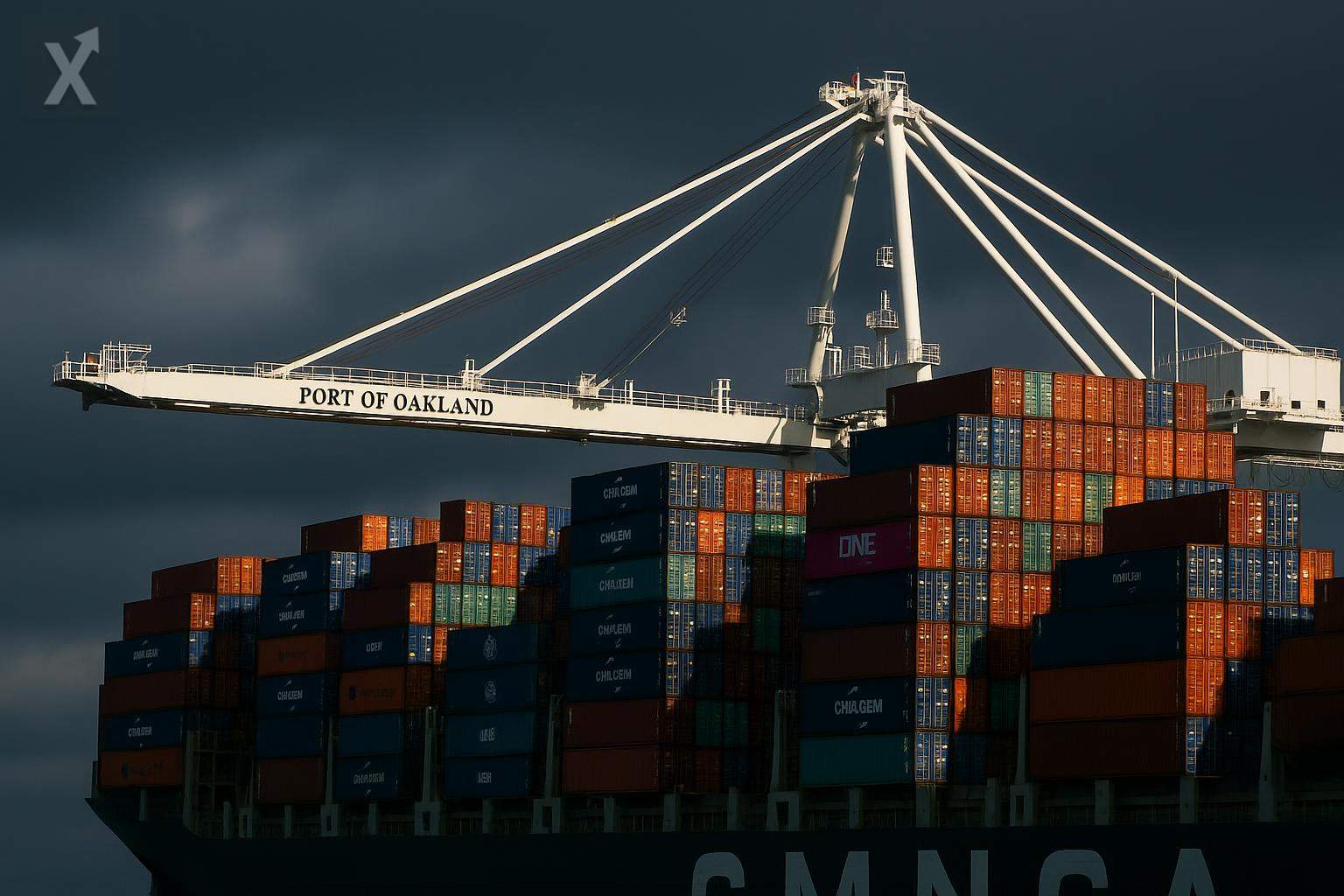
The technical pause on refunding voided tariffs revives the debate over trade certainty and could affect cash flows across Mexico–U.S. supply chains.
A federal judge in the United States granted a moratorium to U.S. Customs and Border Protection (CBP) to begin refunding tariffs that were struck down after litigation, while the agency completes the technical adjustments needed to process the refunds. The case matters for Mexico given the depth of its manufacturing integration with the United States and the impact this type of ruling can have on import costs, working-capital flows, and expectations in the foreign-exchange market.
According to the court record, CBP cited technical limitations that prevent it from immediately issuing the refunds ordered by the court, and estimated that in a little over a month it would have the process enabled to reimburse amounts that—based on figures cited in the proceeding—total roughly $166 billion. For companies that import inputs or finished goods into the U.S. market—including subsidiaries of corporations operating in Mexico—the refund timeline can affect inventory decisions and short-term financing needs.
Beyond the lawsuit, the episode highlights a sensitive issue for the Mexican economy: regulatory certainty and predictable trade costs in Mexico’s main export destination. In a context where North America-oriented manufacturing investment is looking to capitalize on “nearshoring,” abrupt shifts in tariffs—or their reversal through the courts—can create temporary distortions in pricing, logistics, and tax planning.
Effects on Mexico–U.S. supply chains and margin pressure
For Mexico’s export engine, the signal isn’t straightforward: if the voided tariffs applied to goods or inputs that cross the border, their prior collection may have raised import costs in the United States, squeezing distributor margins and, in some cases, pushing costs back onto suppliers. The refund—though delayed—may ease the financial statements of companies with significant exposure to taxed imports, free up liquidity, and revive purchase orders. However, the moratorium also extends the period of operational uncertainty, because firms must reconcile payments made, document claims, and adjust budgets while waiting for the refunds to actually hit.
In practice, highly integrated industries such as auto parts, electronics, machinery, and intermediate goods are the most exposed to these administrative swings. Even though much of Mexico–U.S. trade takes place under USMCA preferences, costs tied to tariff measures, rules-of-origin interpretations, or executive decisions can temporarily shift relative competitiveness and push companies to diversify suppliers, reconfigure logistics routes, or renegotiate terms with customers.
Implications for the peso and risk sentiment
In the short term, the news lands in an environment where the exchange rate and local interest rates respond to a mix of yield differentials, risk perception, and growth expectations. A large-scale refund in the United States—even if it goes to companies—can change financing needs, hedging activity, and profit repatriation decisions among multinational groups, with marginal effects on currency demand. For Mexico, anything that increases or reduces risk aversion around bilateral trade tends to show up as volatility in the peso versus the U.S. dollar.
It’s also a reminder that U.S. court decisions can act as a check on trade policy, adding another layer of uncertainty: markets must price in not only announcements, but also their legal durability and administrative execution. In past episodes, the mere expectation of changes to trade rules has been enough to affect investment plans, especially in export sectors that rely on long-term contracts.
Stepping back, the moratorium granted to CBP suggests that a legal outcome does not always translate into immediate effects in the real economy: operational capacity to return funds can delay the impact on corporate balance sheets and production decisions. For Mexico, the key will be to monitor whether the normalization of refunds reduces friction in binational supply chains or, instead, whether the episode fuels a perception of greater trade unpredictability—with implications for investment, costs, and the FX market.






