Hormuz Shock Raises the Oil Bill and Puts Pressure on Mexico: Risks for Inflation, the Exchange Rate, and Public Finances
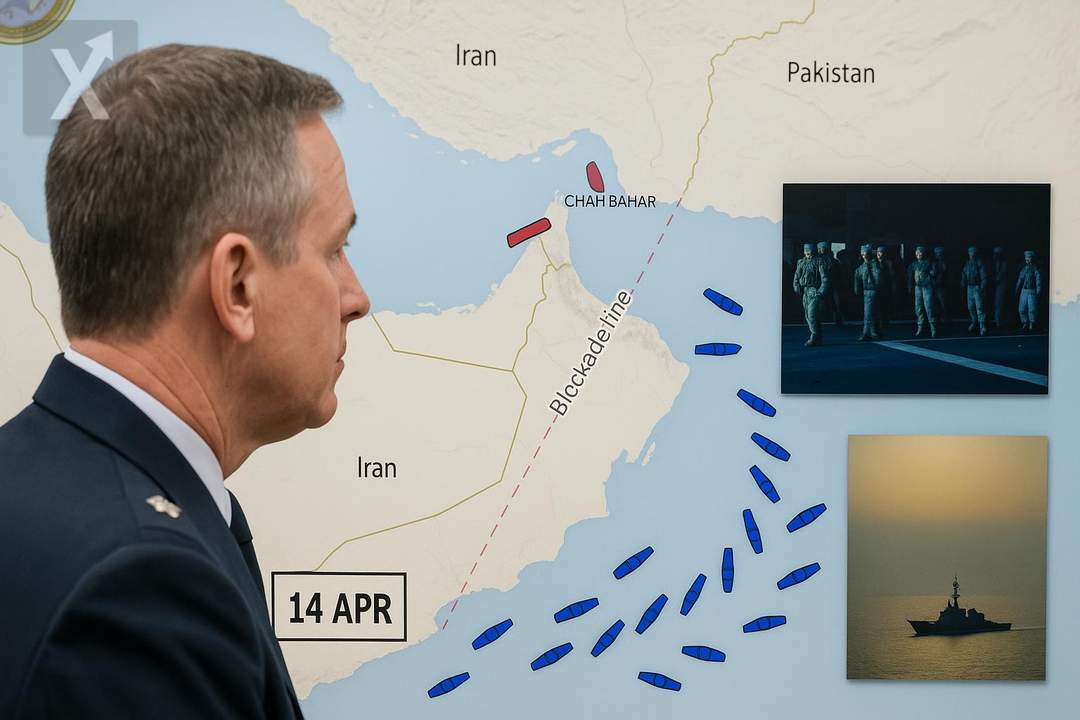
The disruption of energy flows through the Strait of Hormuz could make fuels and freight more expensive, complicating Mexico’s inflation and fiscal outlook.
UN Secretary-General António Guterres’ warning that the closure of the Strait of Hormuz is “strangling” the global economy has refocused market attention on a critical chokepoint for energy supply: a significant share of global hydrocarbon trade used to pass through that maritime route. Tensions between the United States and Iran—marked by blockades, retaliatory actions, and reduced shipping traffic—have fueled oil volatility, with price spikes quickly feeding into transportation costs and inflation expectations in multiple countries, including Mexico.
For Mexico’s economy, the most direct transmission channel is the international price of crude oil and refined products. Even though Mexico is an oil producer, it also imports a substantial share of gasoline, diesel, jet fuel, and petrochemicals; as a result, a price shock often shows up as higher costs for logistics, industry, and consumers. Add to that pressure from higher ocean freight rates and more expensive insurance on energy routes, which can raise the cost of inputs and intermediate goods.
On the financial side, a prolonged episode of high oil prices tends to increase risk aversion and strengthen the U.S. dollar in times of stress, pushing capital toward perceived safe-haven assets. For Mexico, that environment usually means more peso volatility and upward pressure on risk premia, even when domestic fundamentals remain stable. The combination of expensive energy and a firm dollar complicates the fight against inflation by increasing imported costs and pressuring domestic prices.
The ultimate impact will depend on how long the shock lasts, how global supply responds (OPEC+, producers outside the cartel, inventory releases), and the extent of the logistical disruption. Also key will be Mexico’s ability to absorb the hit without losing momentum: softer consumption, investment that is sensitive to financing costs, and an export sector facing shifting external conditions.
Inflation in Mexico: Gasoline as a Gauge and the Challenge for Banxico
In Mexico, energy is a cross-cutting input: when oil prices jump, fuels and transportation get more expensive, and that revives pressure on goods and services. Even if the increases are not passed through immediately or fully to consumers, the shock gradually filters through supply chains and expectations. In that context, the Bank of Mexico (Banxico) often faces a dilemma: if inflation rises due to a supply shock, cutting rates too quickly can unanchor expectations; but keeping restrictive conditions for longer also cools economic activity. The central bank has repeatedly emphasized the importance of inflation “persistence” and that energy shocks can spill over into core inflation if they last.
In addition, the episode arrives at a time when companies and households remain sensitive to changes in financing costs. If markets believe the energy shock complicates disinflation, expected rate paths may adjust upward, increasing the cost of credit and affecting consumption and investment decisions. At the same time, a stronger dollar makes imports more expensive and can squeeze margins in sectors that rely heavily on foreign inputs.
Public Finances and Pemex: Between Higher Oil Revenues and Costlier Subsidies
More expensive oil can raise public-sector oil revenues and, at the margin, improve tax intake tied to the energy value chain. However, the net effect is not necessarily positive. Because Mexico imports fuels and maintains mechanisms to smooth consumer prices, a sharp and sustained increase can translate into larger support measures or lower fuel-related tax collection, putting pressure on the fiscal balance. For Pemex, high prices help crude sales, but they do not, by themselves, solve structural constraints such as financing costs, investment needs, and dependence on fuel imports when refining and logistics capacity does not meet demand efficiently.
In that sense, the external shock could reopen the debate over how to balance price stability, public finances, and regulatory certainty—especially if higher energy costs persist for several months and coincide with a weaker global growth environment.
Looking ahead, the main risk for Mexico is not a one-off price spike, but persistence: if the closure or disruption in Hormuz drags on, supply chains would take longer to normalize and logistics costs would remain elevated. In that scenario, Mexico’s economy could face stickier inflation, exchange-rate volatility, and greater budget pressures tied to fuels and support measures, even with the partial benefit of higher crude prices.
In short, the crisis in the Strait of Hormuz introduces an external shock that—through oil prices and the U.S. dollar—can complicate Mexico’s inflation and fiscal outlook; the magnitude will depend on how long the conflict lasts and how global supply responds.






