The Fed Hits Pause and Reopens the Inflation Debate: What It Means for Mexico
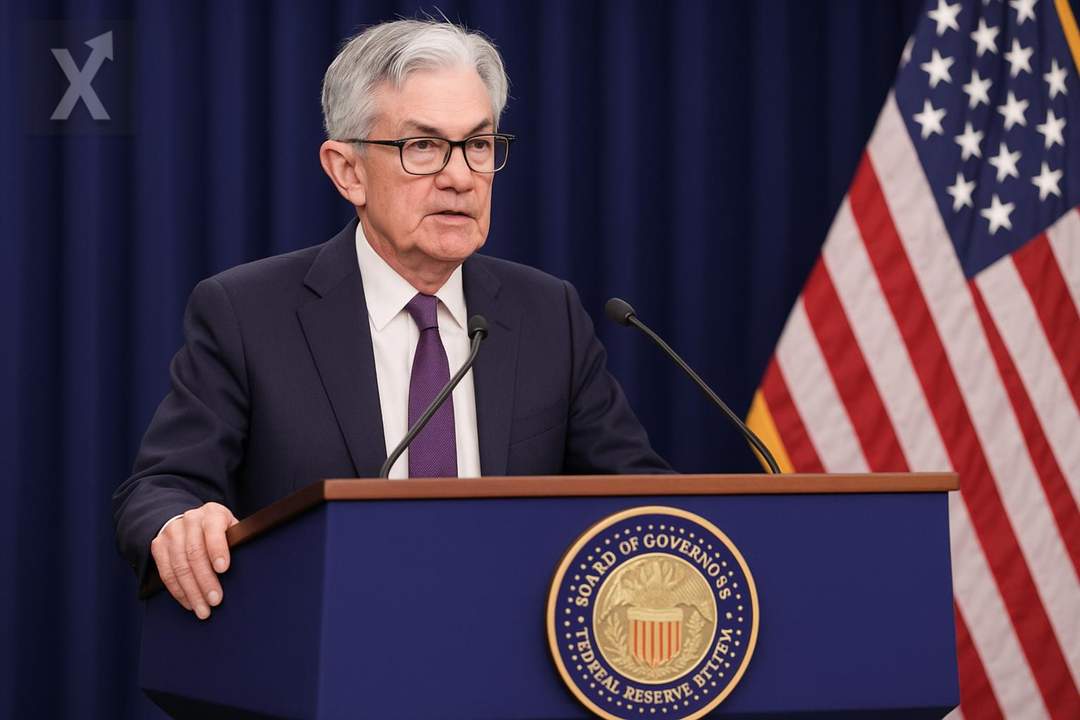
The Fed’s decision to keep rates on hold—alongside unusual dissents—reshapes expectations for the peso and borrowing costs in Mexico.
The U.S. Federal Reserve left its interest rate unchanged for a third straight meeting, at a time when inflation is once again proving sticky and energy prices have risen amid geopolitical tensions. The U.S. central bank reiterated that the fight against inflation isn’t over, while the decision revealed an uncommon internal split: several officials voted differently, which markets read as mixed signals about the next move.
For Mexico, that message matters through a direct channel: U.S. monetary policy often sets the pace for global risk appetite, the cost of dollar funding, and, as a result, financial conditions across emerging markets. When the Fed turns more cautious—or when investors see a risk that rates stay higher for longer—investors tend to demand higher returns to hold positions in markets like Mexico’s, even if the country’s fundamentals remain relatively stable.
The most visible channel is the exchange rate. A stronger dollar driven by high rates or a rise in risk aversion can put pressure on the peso, make imports more expensive, and complicate the inflation outlook—especially for goods with energy and logistics components. At the same time, uncertainty around the Fed’s future path often shows up as higher volatility in FX markets, affecting hedging, corporate financing costs, and investment decisions.
On the domestic front, Mexico enters this episode with inflation down from prior peaks, but still facing risks from supply shocks and sensitivity to energy prices. In addition, economic growth has cooled from the momentum seen during periods of strong manufacturing and export performance, in an environment where nearshoring remains a structural theme but is playing out unevenly due to constraints in infrastructure, water, energy, and regulatory certainty.
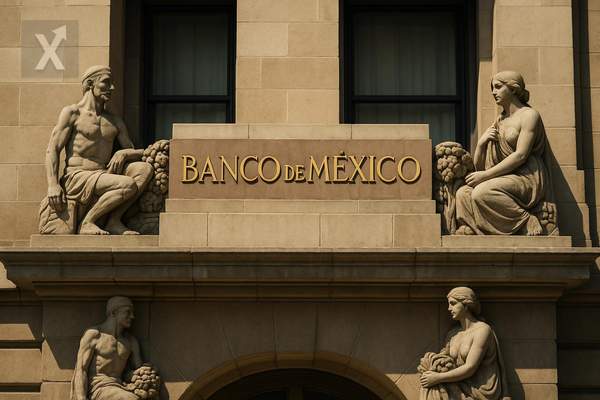
Banxico, the Rate Differential, and the Peso’s “Thermometer”
The Fed’s stance is a key input for the Bank of Mexico (Banxico) because it influences the interest-rate differential between the two countries—one factor that helps explain flows into peso-denominated assets. If the Fed keeps policy restrictive for longer, Banxico has less room to ease its own stance without increasing the risk of depreciation or imported inflation flare-ups. By contrast, if a clear trend toward cuts is confirmed in the United States, Mexico could find room to lower rates gradually, as long as local inflation and inflation expectations remain contained.
This trade-off is significant: high rates in Mexico help anchor expectations and support the peso, but they also raise borrowing costs for businesses and households, weighing on consumption and investment. With an economy seeking to lock in productive investment tied to regional supply chains, the level—and duration—of elevated rates can become an important factor in how quickly projects are financed and executed.
Another element to watch is international energy prices. A sustained increase not only feeds into inflation and transportation costs; it can also shift fiscal and trade balances across countries. In Mexico, the impact is often mixed: on one hand, higher costs pressure prices; on the other, the net effect depends on the dynamics of energy exports and imports, refining capacity, and the design of any subsidies or support measures used to smooth price swings for consumers.
In markets, attention is also focused on the Fed’s communication and what it reveals about the balance of risks: if inflation picks up due to energy or logistical disruptions, the U.S. central bank could be forced to keep policy restrictive for longer. That expectation often feeds into global yield curves, and in turn into the rates at which the Mexican government and private sector borrow—even without immediate changes to the local policy rate.
Looking ahead, Mexico’s base-case outlook will continue to depend on a mix of factors: the domestic inflation path, labor market strength, performance in export-linked industry, and the tone of U.S. monetary policy. In that context, episodes of dissent within the Fed—like the one seen in this decision—can raise near-term uncertainty, increasing the sensitivity of the exchange rate and market rates to each inflation print and each signal of economic activity.
In short, the Fed’s pause and internal split increase the value of caution for Mexico: sustaining disinflation, avoiding excessive peso volatility, and protecting the recovery will depend both on Banxico’s decisions and on the direction of U.S. inflation and the global energy shock.