Citi Moves Forward With Banamex Deconsolidation After Regulatory Green Light to Sell 22.6% Stake
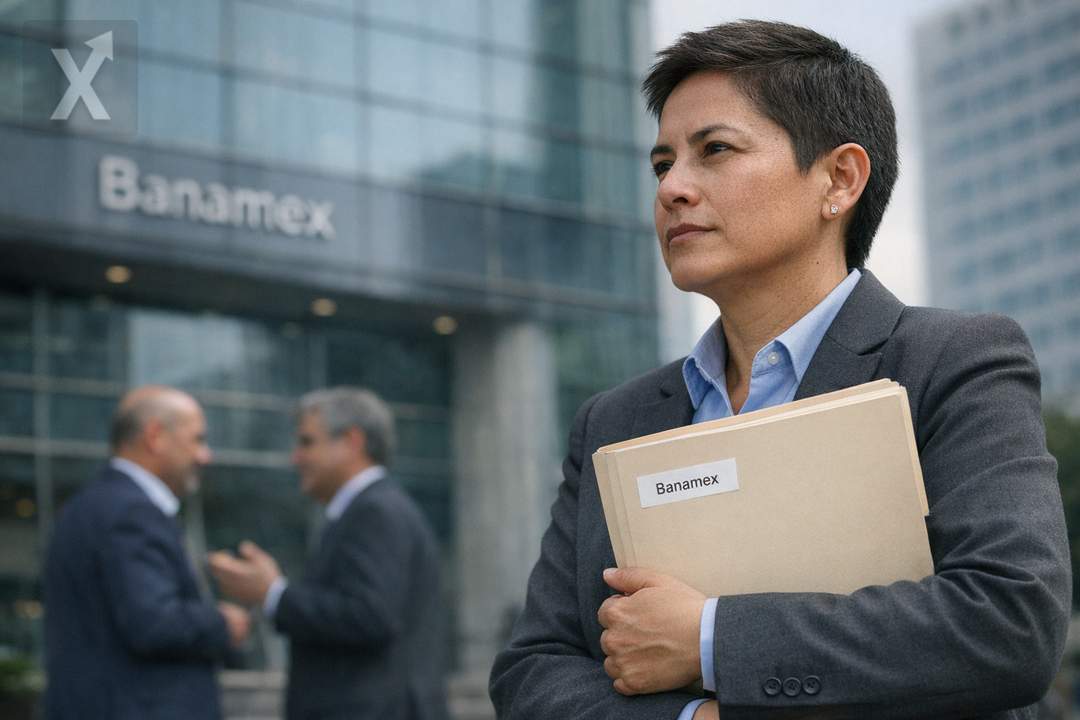
The shareholder reshuffle at Banamex accelerates its transition out of Citi and tests investor appetite for Mexican banking.
Citigroup took a decisive step in its gradual exit from Banamex after Mexican authorities approved the purchase of a 22.6% stake in the institution by a group of institutional investors and family offices. The transaction is part of the plan announced earlier this year to deconsolidate a meaningful portion of the bank and pave the way for a more diversified ownership structure.
According to information released by the institution, the sale of an additional 1.4% still needs to be finalized. That portion remains subject to regulatory approval and is expected to close in the coming months. Completing it would bring this phase to the 24% previously committed, in a process unfolding in parallel with recent changes in Banamex’s top leadership.
The deal adds to a prior sale of 25% of the equity to Fernando Chico Pardo, who became the lead shareholder and chairman of the board. Once the full package currently in progress closes, Citi will have transferred close to 49% of total shares—moving toward a majority deconsolidation without abruptly giving up its remaining control.
Participants in the buying group include firms and funds with different profiles—from insurers to private equity managers and sovereign wealth funds—reflecting interest in Mexican financial assets that, despite global volatility, continue to look relatively attractive due to their scale, profitability, and position in the domestic savings and credit market.
What it means for Mexico’s financial system
The move has implications beyond Banamex itself. In an environment where Mexico’s banking sector has maintained solid capitalization and liquidity levels—supported by tighter prudential regulation over the past decade—the entry of new partners could translate into shifts in commercial strategy, technology investment, and profit discipline. At the same time, the process is taking place during a still-high interest-rate cycle by historical standards, which has supported net interest margins across the sector, though it also calls for caution due to the risk of credit deterioration if growth cools.
For Mexico, the ownership reshuffle is being read as a test of appetite for local assets at a time of production realignments linked to nearshoring. While manufacturing relocation does not, by itself, guarantee a rapid expansion in credit, it does increase competition for corporate financial services, payroll, payments, and supply-chain financing—segments where a bank with Banamex’s size and brand can look to reposition itself.
Citi has said it does not anticipate additional sales during 2026, arguing that this would allow the new investor group to focus on driving value creation. In practical terms, that suggests a stabilization phase: strengthening corporate governance, aligning incentives among shareholders, and fine-tuning the bank’s direction before assessing a next step, which could include another direct sale or eventually a public offering, depending on market conditions, valuation, and regulatory approvals.
Timing matters as well. Markets tend to penalize uncertainty, and a clear roadmap can reduce the “discount” associated with corporate transitions. Still, future performance will depend on macro variables: the path of inflation, monetary policy decisions, momentum in consumption and formal employment, and the pace of productive investment. In that context, the Banamex case becomes a barometer of institutional capital’s confidence in Mexico.
In perspective, approval to sell 22.6%—and expectations of completing the remaining 1.4%—locks in a meaningful stage in Citi’s orderly exit, while placing Banamex into a new phase of governance and strategy. The challenge will be executing the transition without losing focus on competition, digitization, and credit quality, in an economic cycle that still mixes structural opportunities with external risks.






