BofA Sees It as an Uphill Climb for Mexico to Hit 3% Inflation This Year, Putting Pressure on Banxico’s Narrative
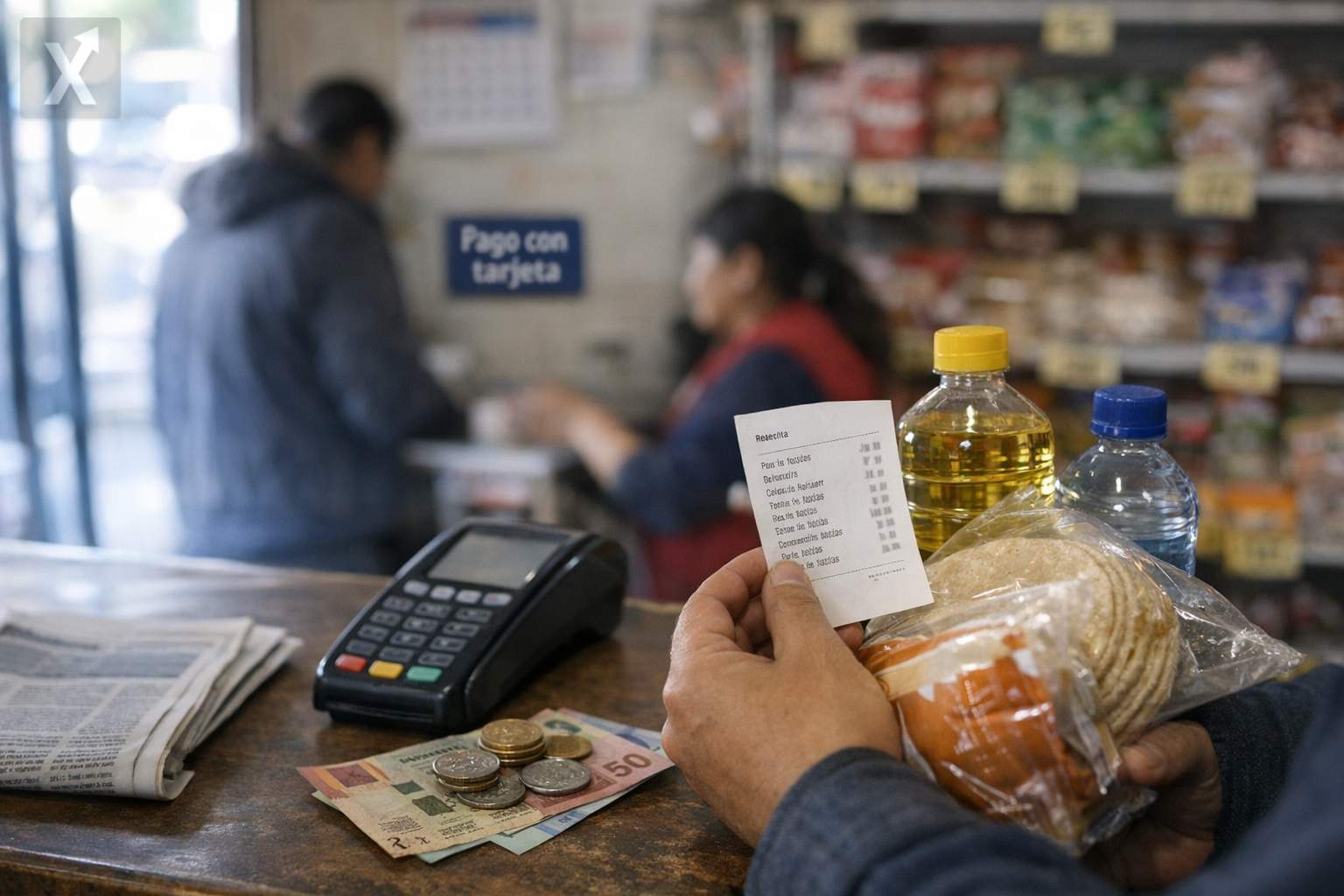
Bank of America (BofA) struck a more forceful tone on Mexico’s price outlook: it estimates headline inflation will end the year around 4.1%, above the path communicated by the Bank of Mexico (Banxico), which is aiming for convergence to its 3% target. For Carlos Capistrán, the bank’s chief economist, it would be “difficult” to see a sustained reading around 3% starting in the third quarter, and at best there could be a month near that level if the most volatile categories—such as fruits and vegetables—break in Mexico’s favor.
The gap in forecasts comes at a time when disinflation has become slower and more uneven. In Mexico, the core component—which excludes energy and agricultural goods—is usually the thermometer the central bank watches most closely because of its persistence. Although over the past year the overall trend has been downward from the post-pandemic peaks, services (restaurants, education, housing, and others) have remained sticky due to wage inertia, indexation in some contracts, and domestic demand that, while not booming, has stayed relatively resilient thanks to the labor market and spending momentum in certain segments.
Capistrán attributes upside risks to specific factors: tax adjustments on sugary drinks, tariffs applied to imports from Asian countries, and a possible temporary effect from major events such as the World Cup, which tend to push up prices for services and tourism-related activities. More broadly, analysts are also watching supply shocks (weather, logistics) and energy-price volatility, which can “add noise” to headline inflation even as core inflation gradually declines.
The debate is significant because it intertwines with the discussion about credibility. In recent months, the central bank has cut its policy rate even though inflation has not yet converged to 3%, fueling questions about whether monetary easing has been premature. Within the Governing Board, voices such as Deputy Governor Jonathan Heath have warned that cutting rates while inflation remains elevated can be interpreted as complacency. In parallel, a Moody’s analysis noted that the divergence between rate cuts and slow inflation convergence could erode market confidence in the commitment to price stability.
Heading into the February monetary policy decision, BofA expects Banxico could pause cuts and later resume them sometime between March and May to end the year with a rate near 6%, which the bank views as the terminal level. The tradeoff for the monetary authority is delicate: cutting too quickly could rekindle price pressures—especially in services—yet keeping a restrictive stance for longer also cools credit, investment, and consumption in an environment where growth is already facing challenges from weaker external momentum, financing costs, and business caution.
The international backdrop adds additional layers of complexity. Decisions by the U.S. Federal Reserve affect the interest-rate differential and risk perception toward Mexican assets. Sharp exchange-rate moves can feed into the prices of imported goods, although exchange-rate pass-through in Mexico is typically lower than it was in past decades. Even so, for companies with dollar-denominated inputs and for retail chains, an episode of sustained depreciation can complicate the disinflation path—especially if it coincides with higher logistics or energy costs.
In the Mexican economy, the inflation discussion intersects with real wages and fiscal policy. Minimum-wage increases have helped restore purchasing power, but they can also affect cost structures in labor-intensive services. On the fiscal side, any changes to excise taxes or regulatory adjustments that affect administered prices can shift the monthly inflation print and, therefore, Banxico’s room to maneuver. In this setting, the market will closely follow the central bank’s updated forecasts: if they align more with consensus, friction over credibility could ease; if they remain optimistic, the gap with analysts could persist.
In perspective, BofA’s message is not that the 3% target should change—Capistrán ruled that out—but that the road to get there will be longer and bumpier. The pace of convergence will depend on the core component, especially services, continuing to cool without temporary shocks becoming persistent, and on monetary policy finding a balance between supporting activity and reinforcing the anchor for expectations.
Observations: the main focus for 2026 is whether Banxico can preserve credibility while cutting rates in a slow-disinflation environment; the key will be how services evolve, supply shocks (food/energy), and the impact of external financial conditions tied to the United States. If official forecasts move closer to consensus, the market could have a more stable read on the monetary path.






