Middle East conflict revives oil risk and puts pressure on Mexico’s economic outlook
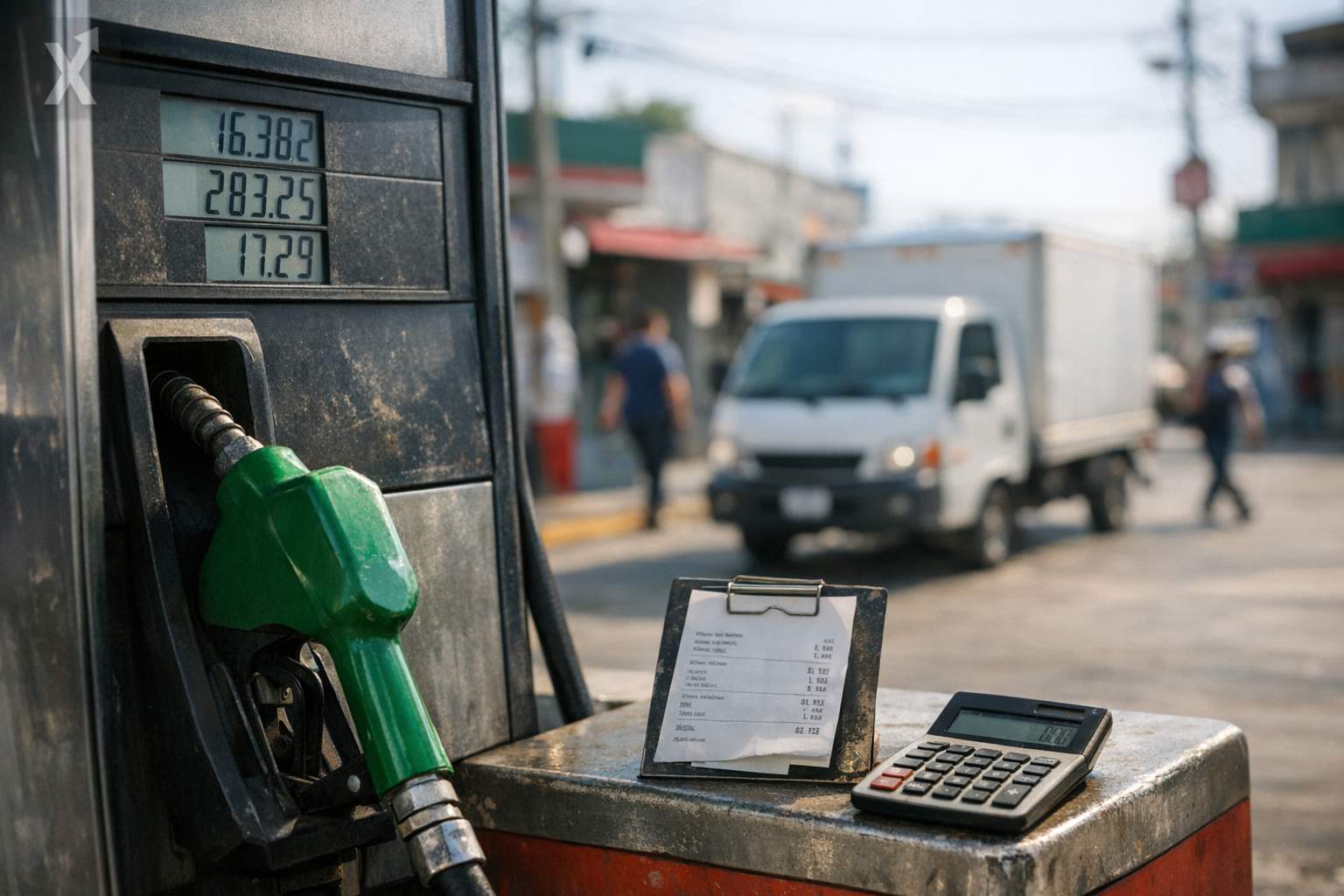
A sustained rise in crude due to tensions along key routes would lift energy and transportation costs, with knock-on effects for inflation, the exchange rate, and growth.
The military escalation in the Middle East has put oil back at the center of global economic concerns. Beyond the immediate impact on crude prices, markets are reacting to the risk of logistical disruptions at strategic chokepoints—particularly the Strait of Hormuz, through which a significant share of the world’s oil supply moves—and to the possibility that higher energy costs translate into stickier inflation and weaker economic activity.
For Mexico, a price shock in energy and freight is not an “external” event without domestic consequences. Although the country produces oil, its consumption structure and trade integration with North America mean that higher crude prices, gasoline, and ocean and air transport costs feed through to supply chains, manufacturing and food costs, and ultimately influence inflation expectations as well as investment and consumer spending decisions.
In recent sessions, international oil prices have been volatile as investors factor in the idea that the conflict could complicate maritime traffic and raise risk premia. International analysts have outlined scenarios in which Brent could climb to higher levels if disruptions persist. A move like that would not only make fuel more expensive; it would also affect petrochemicals, transportation, insurance, and logistics costs—sensitive components for an economy as trade-linked as Mexico’s.
The Panama Canal, another key route for global trade, said it is monitoring the evolution of maritime flows. While operations continue normally, the backdrop is a reminder that logistical bottlenecks can emerge simultaneously in different regions. For Mexico—which exports manufactured goods and intermediate inputs to the United States and depends on imported components—any added pressure on freight rates or delivery times hits margins and complicates inventory planning.
Inflation and Banxico: Mexico’s most sensitive channel
The main macroeconomic risk for Mexico would be for a sustained increase in oil prices to show up in core inflation through transportation and production costs, even if energy prices are partially cushioned by administrative mechanisms or fiscal adjustments. In that scenario, the challenge for the Bank of Mexico (Banxico) would be to maintain the disinflation process without choking off growth: an energy-driven supply shock tends to push prices up while weakening activity, a pattern associated with episodes of stagflation in other economies.
If inflation starts to prove sticky again, Banxico could choose a more cautious rate-cut path to prevent a rebound in expectations. That would matter especially in a context where consumer credit and business financing have been responding to high interest rates, and where investment decisions—including those tied to supply-chain reshoring—depend on financing costs and confidence about the price outlook.
At the same time, moves in the U.S. dollar against emerging-market currencies often intensify when risk aversion rises. For the Mexican peso, that means a prolonged bout of volatility can translate into temporary depreciation and, through that channel, additional pressure on import prices. The interaction between more expensive energy and a less favorable exchange rate is one of the channels that most quickly shows up in the consumer basket.
From a fiscal standpoint, higher oil prices can increase the government’s oil-related revenue, but they can also raise fuel import costs and put pressure on subsidies or tax incentives, depending on the current framework. On the corporate side, transportation-intensive sectors—logistics, airlines, parts of retail, and agribusiness—tend to feel the impact of higher fuel costs, while some activities tied to extraction could benefit from better prices, as long as operating conditions allow.
The key, as various international analyses emphasize, will be the duration and scope of the disruption. A brief episode could be limited to financial volatility and temporary energy adjustments; a prolonged one would tend to make trade more expensive, hurt confidence, and weaken external demand—a meaningful risk for Mexico given its high exposure to the U.S. economy.
In short, the conflict in the Middle East reintroduces a source of uncertainty that Mexico cannot control, but does feel through prices, logistics, and global financial conditions. The outlook for the coming months will depend on whether the shock normalizes quickly or ends up reshaping costs and expectations in a world already strained by trade frictions and still-fragile supply chains.






