IMF warns Middle East conflict could rekindle inflation pressures and hit Mexico through energy and the exchange rate
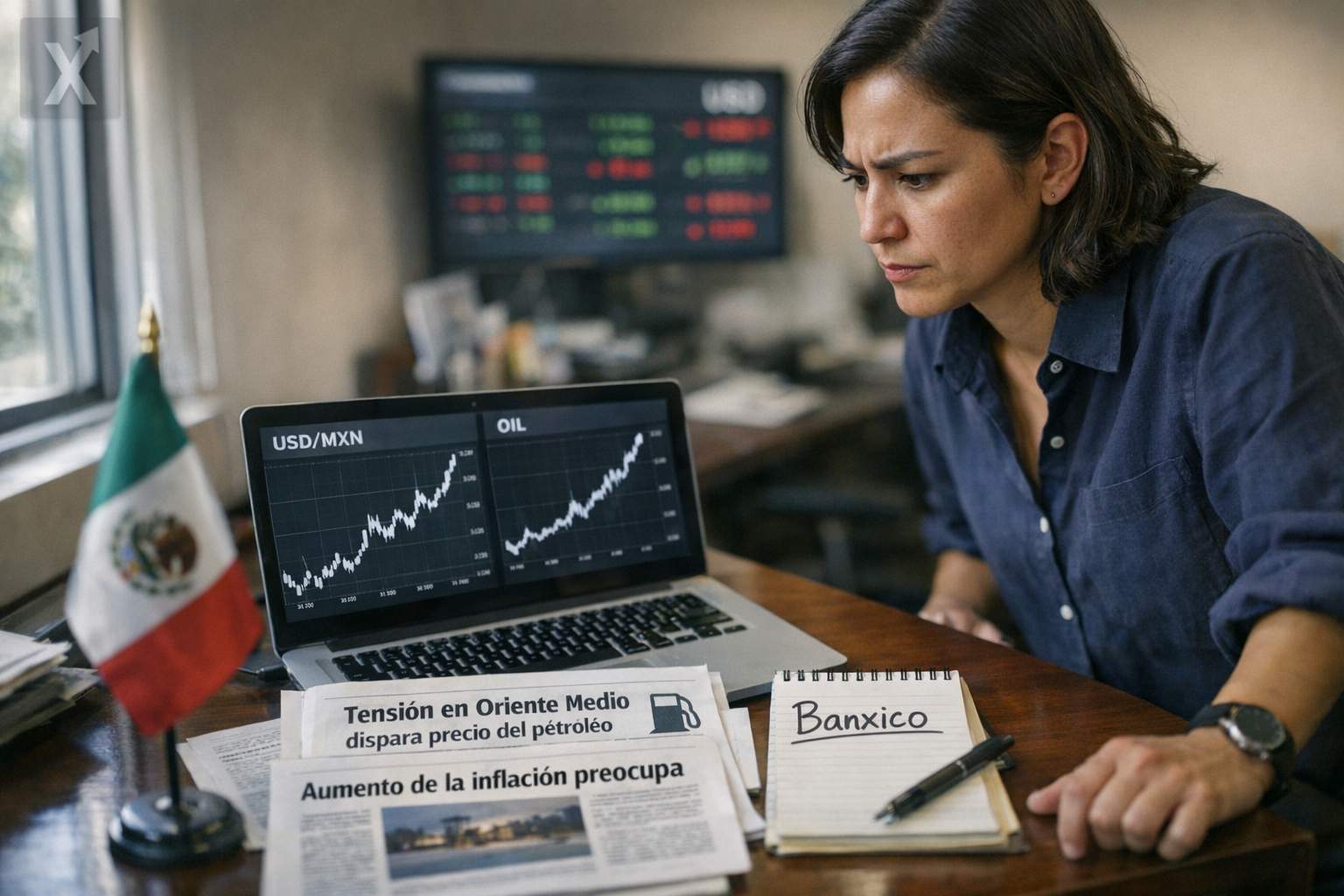
A sustained jump in oil prices driven by geopolitical tensions would raise costs in Mexico, complicate disinflation, and increase financial volatility.
The escalation of the conflict in the Middle East has once again put the global economy “to the test,” warned International Monetary Fund (IMF) Managing Director Kristalina Georgieva, noting that a prolonged period of hostilities could affect global energy prices, market confidence, growth, and inflation. For Mexico, an episode of more expensive crude and greater risk aversion typically translates into pressure on import costs, financial volatility, and added challenges for monetary policy at a time when inflation has improved but remains exposed to external shocks.
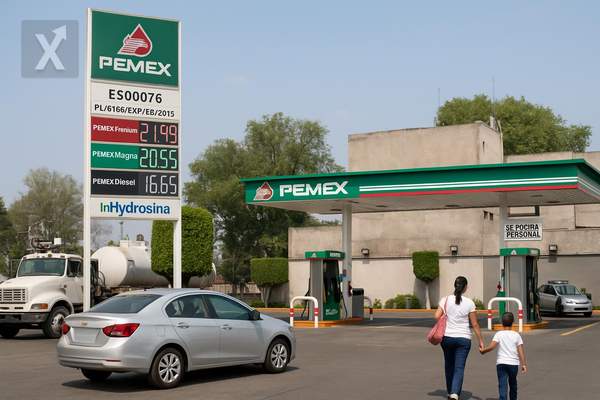
The most immediate channel for Mexico’s economy is energy: global benchmark crude and fuels tend to react quickly to disruptions in shipping routes, supply risks, and shifts in expectations. While Mexico is a crude producer, it also imports a meaningful share of gasoline, diesel, and natural gas, making businesses and households sensitive to spikes in international prices. A prolonged shock can feed into logistics and transportation costs and eventually into consumer prices, especially for goods and services that are energy-intensive.
At the same time, global uncertainty typically boosts demand for perceived safe-haven assets, strengthening the U.S. dollar (USD) and putting pressure on emerging-market currencies. In Mexico, that dynamic can show up as a more volatile peso, with effects on imports, industrial inputs, and inflation expectations. For issuers and sectors with USD liabilities or dollar-priced inputs, a bout of depreciation can squeeze margins and disrupt investment plans, even if foreign trade partially benefits from improved price competitiveness.
The potential impact also extends to financial markets: when the global risk premium rises, financing becomes more expensive and spreads widen in corporate and sovereign debt. Mexico has maintained market access, but a prolonged phase of geopolitical tension could reduce risk appetite, disrupt portfolio flows, and increase the local market’s sensitivity to external data—particularly from the United States (U.S.), Mexico’s main trading partner.
Banxico and its room to maneuver in the face of an external shock
A persistent rise in energy prices and a strong USD would complicate the disinflation process and test Banxico’s balance between keeping expectations anchored and avoiding unnecessary financial tightening. If higher energy costs spill over into core inflation—through transportation, services, and processed foods—the central bank could be forced to keep a restrictive stance for longer. By contrast, if the shock remains contained and domestic demand cools, room for gradual adjustments would depend on inflation clearly converging to target and expectations staying well anchored. In any case, communication and the assessment of external risks will be key to limiting bouts of volatility.
For the real economy, the risk is not limited to fuels. Mexican industry, which is tightly integrated into North American value chains, could feel the impact of higher transportation and petrochemical costs, as well as logistical delays if global routes are disrupted. Even with the structural tailwind from nearshoring, a prolonged environment of uncertainty tends to delay investment decisions and raise hedging costs for companies exposed to commodities or the USD.
On the fiscal front, the path of oil-related revenues and the cost of supporting domestic prices can move in opposite directions. Higher crude prices increase revenue tied to exports, but they also raise the cost of fuel imports and put pressure on the cost of supplying the domestic market. The net result depends on the production mix, hedges, the exchange rate, and how domestic prices evolve. In a context of budget discipline, managing an energy shock becomes important to preserving macro stability and investor confidence.
Looking ahead, the main risk scenario for Mexico would be a combination of oil staying high for longer, tighter global financial conditions, and slower growth in the U.S. That mix would raise the likelihood of simultaneous shocks to inflation and activity. By contrast, a quick de-escalation of the conflict would ease energy pressures and allow domestic factors—consumption, investment, and credit dynamics—to once again drive near-term performance.
In sum, the IMF’s warning underscores that Mexico is not insulated: a prolonged conflict can make energy more expensive, strengthen the USD, and increase volatility, complicating the task of stabilizing inflation and sustaining growth in a more fragile global environment.