Mexico Tightens Tariffs on Non-FTA Imports, Raising Trade Tensions With China

The government says the tariffs are a response to distorted prices, while the productive sector weighs the effects on costs, investment, and supply chains.
The Mexican government’s decision to raise tariffs—up to 50% in some cases—on products coming from countries Mexico does not have a trade agreement with has opened a new front in the debate over industrial competitiveness and trade rules. The measure, which particularly affects imports originating from China, was defended by the Ministry of Economy as a “legitimate” adjustment to curb practices that, in the government’s view, push prices downward and put producers operating in Mexico at a disadvantage.
Marcelo Ebrard, Mexico’s economy minister, said the tariff hike stems from an investigation launched in 2025 and an analysis of prices and cost structures in sectors considered sensitive. According to his remarks, industries such as steel showed significant gaps: Chinese-origin inputs are entering the market at prices substantially lower than those faced by domestic industry, suggesting subsidies, support programs, or different tax conditions that ultimately show up in the final price.
The argument extended to other activities such as textiles, footwear, and vehicles, where—according to the assessment presented—certain imported products are being offered even below their production cost, a scenario that makes it unviable for local companies to compete, especially in regions with a high concentration of manufacturing such as northern Mexico. The Ministry argues that tariffs are a tool contemplated under international trade rules when distortions are identified that disrupt competition.
China, for its part, challenged the measure and called it a barrier to trade and investment. Its position includes warnings of possible retaliation and estimates of harm to exports worth tens of billions of dollars, with potential impacts on segments tied to the auto and electrical industries. The exchange is unfolding in a more protectionist global environment, with governments using trade tools to reconfigure supply chains, promote domestic production, and reduce vulnerabilities in strategic sectors.
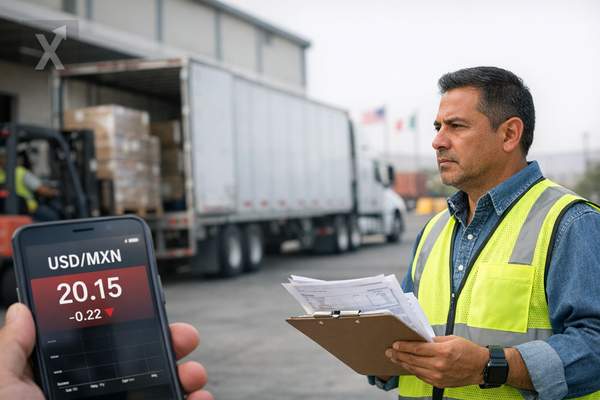
For Mexico, the issue comes at a time of moderate growth and high sensitivity around manufacturing employment. The economy depends heavily on external demand and North American production integration, but it also faces cost pressures, import competition, and the need to lock in investment to capitalize on corporate relocation (nearshoring). In that context, the tariff debate blends industrial objectives with foreign policy considerations and price stability.
Implications for Industry and Consumers: Between Protection and Higher Costs
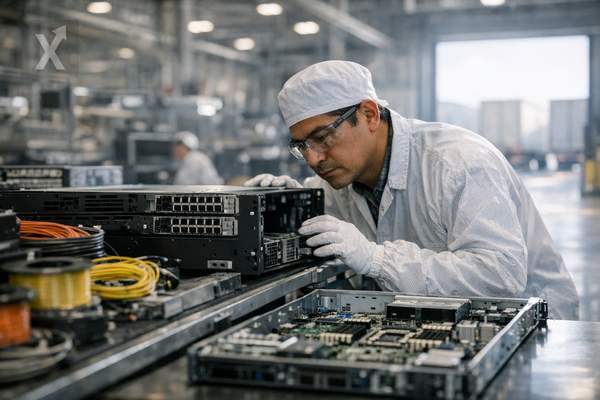
The tariff increase may provide some relief to local producers if it reduces pressure from imports priced at what are seen as artificially low levels; however, it can also raise costs for companies that rely on imported inputs, especially in supply chains where Mexico assembles goods using foreign components. In the short term, the effect on consumer prices will depend on how easily products can be substituted and on domestic suppliers’ ability to ramp up supply without raising prices. At the same time, the private sector will closely track the impact on certainty: more restrictive measures can encourage domestic investment in certain industries, but they can also increase the risk of tit-for-tat responses or trade disputes that disrupt the flow of goods.
Another factor is the signal Mexico sends about its industrial strategy. In recent years, the country has sought to strengthen domestic content in manufacturing, develop supplier networks, and leverage its geographic position to attract projects. Still, competitiveness also rests on reliable energy, logistics infrastructure, security, human capital, and clear rules. A tariff shift can work as an adjustment tool, but its effectiveness will depend on whether it is accompanied by policies that boost productivity and reduce structural costs.
Looking ahead, the main challenge will be striking the right balance between defending jobs and productive capacity—especially in labor-intensive industries—and avoiding a broad-based increase in input costs that erodes export competitiveness. The likelihood of additional frictions with China also adds a geopolitical dimension that could influence investment decisions and the shaping of regional supply chains.
In sum, Mexico is justifying the tougher tariff stance as a way to level the playing field against price distortions, while China is criticizing it as a trade obstacle; the outcome will depend on the bilateral response and on how the adjustment translates into output, costs, and certainty for the Mexican economy.