The EU Unblocks the Modernization of Its Agreement with Mexico, Opening a New Phase for Bilateral Trade
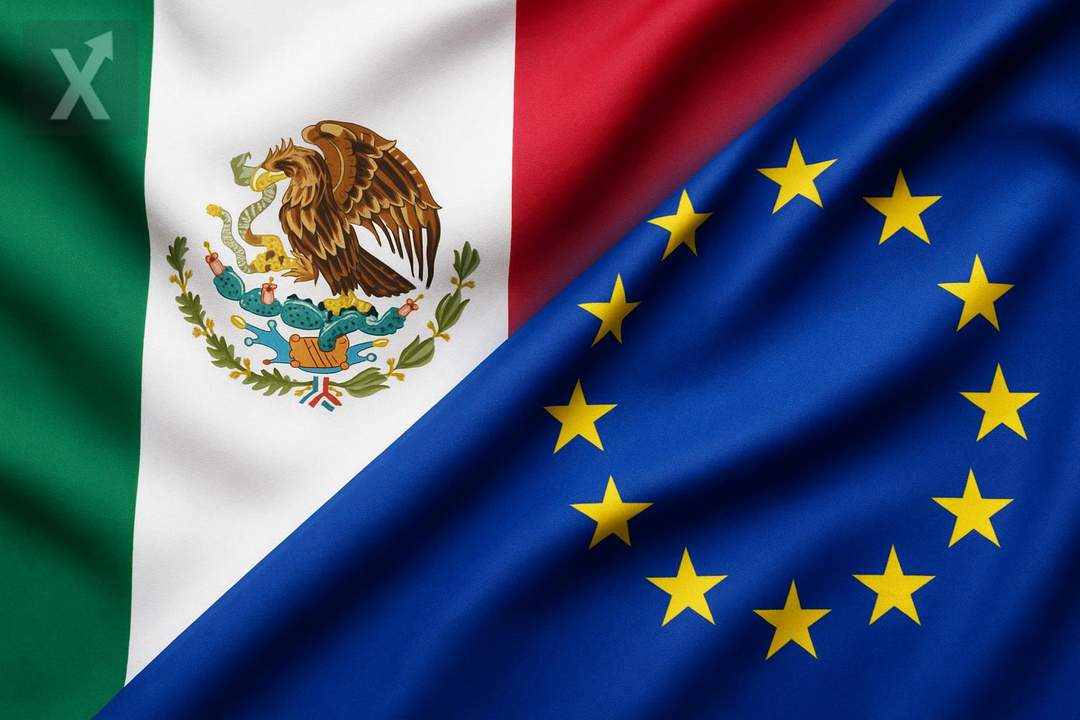
Approval by the EU Council brings the signing of a new trade framework with Mexico closer, with the potential to cut tariffs and expand rules for services and public procurement.
The Council of the European Union formally approved the decisions authorizing the signing of a new package of agreements with Mexico to modernize the economic, political, and cooperation framework that has been in place—with only limited changes—since 2000. This is a meaningful step because it clears the EU-side institutional process and paves the way for the signing to take place at the EU–Mexico summit scheduled for May 22, 2026.
The new structure includes two instruments: the Modernized Global Agreement and an Interim Trade Agreement. The latter is designed to speed up the rollout of economic benefits—such as tariff cuts and updated rules for trade—while the more complex ratifications of the global agreement are completed, involving the European Parliament, EU member states, and Mexico. In practical terms, the design aims to shorten the “wait time” between the political announcement and real effects at customs, in investment flows, and across supply chains.
For Mexico, this progress comes at a moment when the economy shows both strengths and challenges: the country has become more attractive for manufacturing as companies shift operations closer to North America, but it faces bottlenecks in electricity, water, and logistics, along with the need to boost productivity. In that context, an updated agreement with the EU can serve as a second external growth driver—complementing integration with the United States and Canada—to diversify markets, stabilize investment flows, and broaden standards in areas such as digital trade and sustainable development.
According to figures reported by the EU, merchandise trade between the two sides exceeded €82 billion in 2024, and services were around €26 billion in 2023. Mexico is the EU’s second-largest trading partner in Latin America, while the European bloc remains Mexico’s third-largest trading partner—underscoring that this is not a marginal deal: it affects key sectors of Mexico’s export engine and a broad base of suppliers.
Core components of the interim agreement include eliminating a large share of remaining tariffs, expanding access to public procurement markets, and improving conditions for services and investment. It also strengthens protection for European geographic indications and incorporates chapters on intellectual property, digital trade, labor rights, climate action, and sustainable development commitments—elements that now shape how companies plan investments and traceability across global supply chains.
Implications for Mexico: Diversification, Rules, and Competitive Pressure
Modernizing the framework with the EU could have three economically significant effects for Mexico. First, diversification: while the United States will remain the main destination for Mexican exports, having an updated umbrella agreement with Europe can reduce vulnerability to bouts of protectionism or global regulatory uncertainty, while also opening niches for higher value-added goods. Second, rules: chapters on digital trade, sustainability, and public procurement tend to raise compliance standards, which can benefit formal firms with certification capacity, but can also pressure small and mid-sized businesses to invest in processes, documentation, and digitization to compete. Third, competition: additional opening in sectors such as pharmaceuticals, machinery, transportation equipment, and certain agri-food products can lower input costs and broaden supply, but it also intensifies competition for domestic producers—especially where scale is smaller or technology gaps persist.
On the macro side, the agreement arrives at a time when Mexico’s monetary policy is still restrictive and the fiscal outlook is under closer investor scrutiny given the debt trajectory and rising financing costs. If implementation reduces trade costs and provides regulatory certainty, it could improve margins in export sectors and spur productive investment; however, the benefits will depend on the pace of ratification, Mexico’s ability to facilitate trade (customs, infrastructure, logistics security), and companies’ ability to adapt their supply chains to new requirements.
The timeline is also critical. The Council has given the green light to sign, but the process still must go through the European Parliament and—regarding the global agreement—additional ratifications. In Mexico, practical execution also typically requires administrative adjustments and coordination with productive sectors. As a result, the immediate impact may be limited, while the deeper effect would likely materialize in the next stage, when rules and tariff reductions translate into investment decisions and long-term contracts.
In perspective, the EU’s move reaffirms the bloc’s commitment to rules-based trade amid geopolitical tensions and ongoing supply chain realignments. For Mexico, the challenge will be turning modernization into a competitive advantage: using it to attract investment, increase technological content, and expand exports beyond North America—while keeping in mind the adjustments that higher standards and greater competition will bring.






