Diego Osuna Dies in Accident; Financial Sector Offers Condolences and BBVA Mexico Continues Operating
The death of the son of BBVA Mexico CEO prompted institutional responses at a time of heightened attention to the role of banking in the economy.
The death of Diego Osuna Miranda, son of Eduardo Osuna, CEO of BBVA Mexico, in a vehicle crash in the State of Mexico sparked condolence messages from political and business leaders, underscoring the institutional weight of the country’s largest bank by loan portfolio size and number of customers.
Based on available information, the crash occurred on the Toluca–Valle de Bravo toll highway near kilometer marker 44, in the municipality of Amanalco. Several young people were traveling in the vehicle, and the toll was three fatalities. The road is one of the region’s busiest routes, frequently used for weekend tourism and travel between the Toluca Valley metro area and destinations such as Valle de Bravo and Avándaro.
Following the incident, various public figures and private-sector organizations issued condolences, including Marcelo Ebrard, head of Mexico’s Ministry of Economy, and the Business Coordinating Council (CCE). In the financial sector, these statements typically center on institutional recognition and personal solidarity, in an environment where the stability and operational continuity of major intermediaries are central to public confidence.
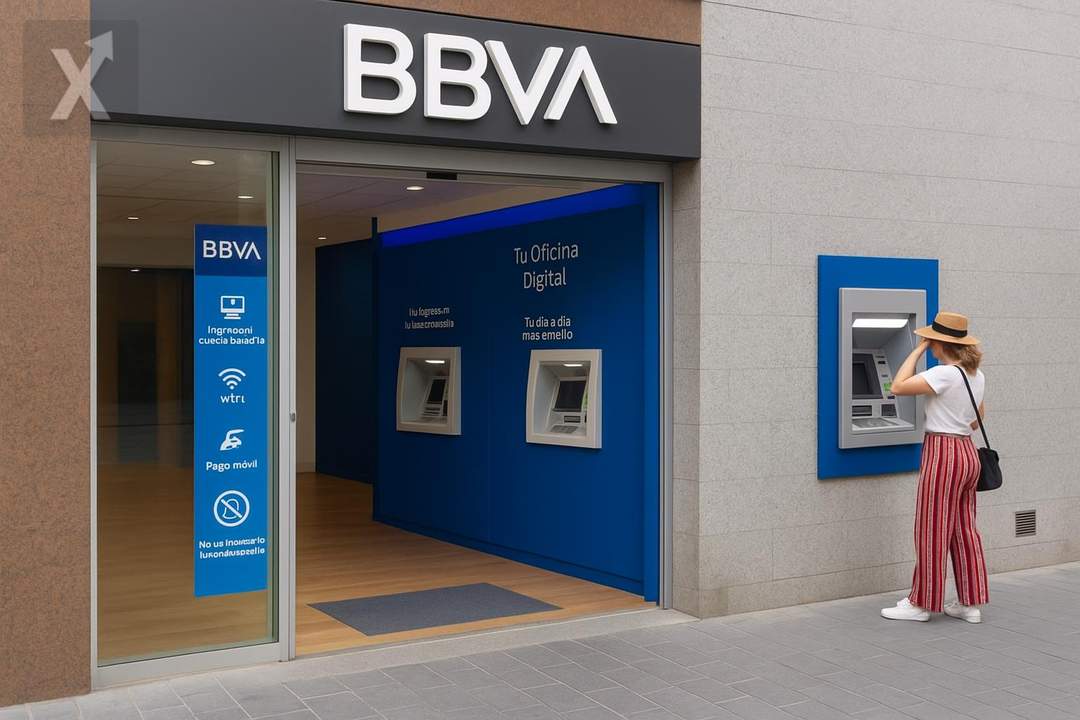
BBVA Mexico, led by Eduardo Osuna, operates one of the country’s largest banking networks and one of the most far-reaching digital platforms. As of year-end 2025, the bank reported 33.8 million customers, of whom 27.1 million were digital, along with 1,635 branches, 14,381 ATMs, and 44,718 employees. That same year it reported traditional deposits of 2.18 trillion pesos, a total loan portfolio of 2.089 trillion pesos, and net profit of 98.946 billion pesos.
The scale of those figures helps explain why the bank—and its leadership—remain under constant scrutiny from analysts and the market: the intermediation it provides influences consumer finance, business lending, and foreign trade, as well as the adoption of digital payments, which has accelerated strongly in Mexico in recent years.
The Banking System’s Moment: High Rates, Credit, and Digitalization
The episode comes at a time when Mexico’s banking sector faces both challenges and opportunities. On one hand, interest rates—still elevated after the monetary tightening cycle—tend to make financing more expensive and require greater selectivity in lending, even as they support net interest margins. On the other, competition for customers has intensified with digitalization, the growth of electronic payments, and the rise of new tech entrants, pushing large banks to accelerate investments in cybersecurity, data analytics, and user experience.
In that context, institutions such as BBVA Mexico have expanded their digital customer base and their capacity for remote origination, a factor that is becoming critical for sustaining financial inclusion in regions with less physical infrastructure. For the Mexican economy, the depth of bank credit remains a key issue: while it has grown in segments such as consumer and payroll-linked loans, financing gaps persist for small and medium-sized businesses, especially outside the main industrial corridors.
Looking ahead, banks’ performance will be tied to the pace of economic activity, the labor market, and the path of inflation. A slowdown scenario typically increases the focus on asset quality and loan-loss reserves, while a gradual normalization of rates could revive demand for credit, though with varying effects by segment. For households, the main impact is reflected in the cost of borrowing; for businesses, in access to working capital and productive investment.
In the immediate term, the death of Diego Osuna Miranda remains a human and social event that prompted public expressions of support. The bank’s operations, given their scale and protocols, do not depend on a single person, but the situation does underscore the importance of institutional continuity and corporate governance in entities viewed as pillars of the financial system.
In sum, the news generated reactions due to BBVA Mexico’s importance within the country’s financial intermediation, while also highlighting the environment in which banks operate today: high rates, digital competition, and the need to expand credit sustainably.