Inflation and the Exchange Rate in Mexico: Why the Peso’s “Anchor” Remains Under External Pressure
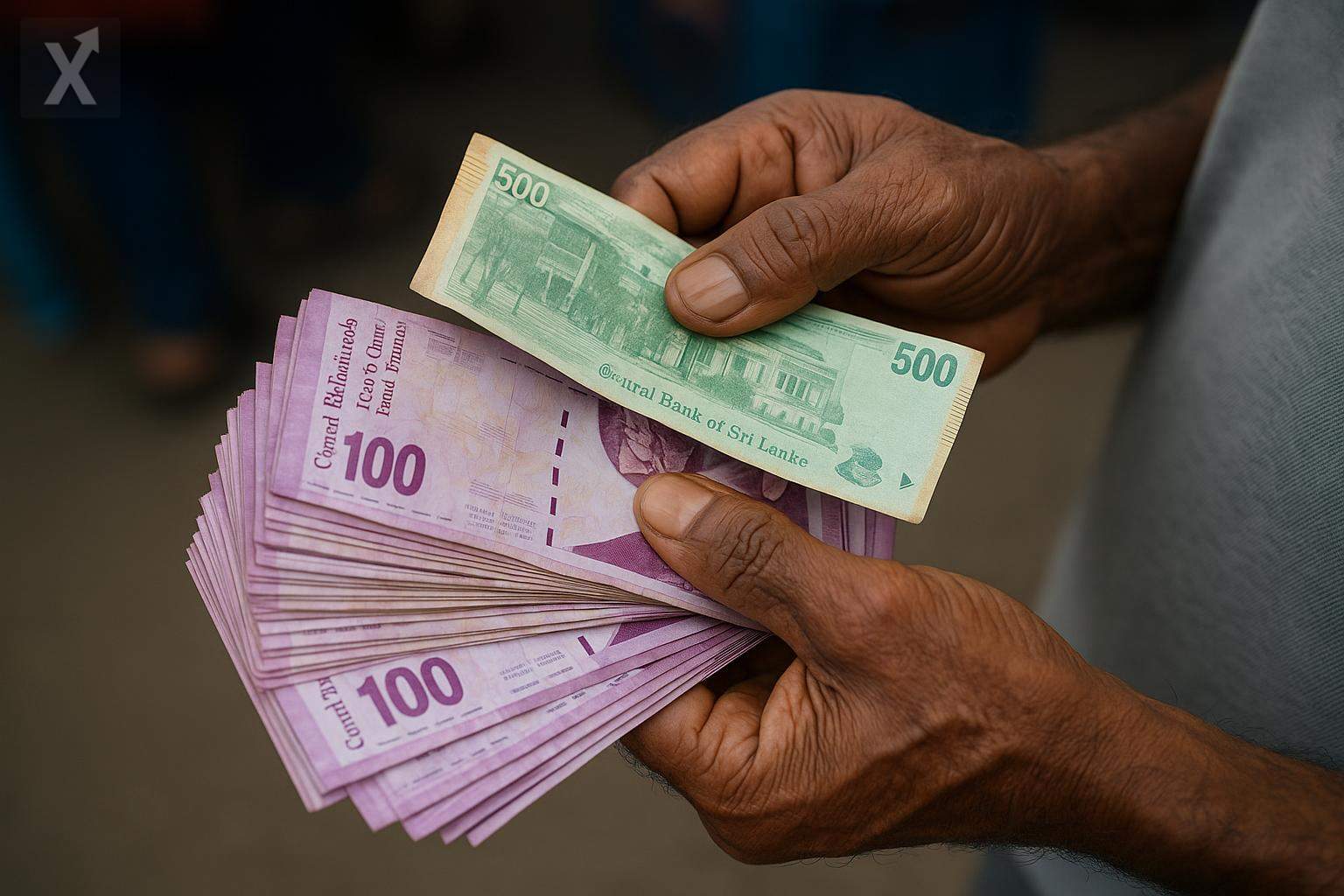
Mexico faces a delicate balance between slowing price growth and exchange-rate volatility in a more uncertain global environment.
While some economies in the region are grappling with episodes of runaway inflation, in Mexico the debate is focused on how to sustain disinflation without overlooking the main channel of external spillovers: the exchange rate. Global volatility, shifts in interest-rate expectations, and changes in risk appetite often feed into the local market through the U.S. dollar, a key benchmark for imports, energy, production costs, and price-setting in sensitive sectors.
In recent quarters, Mexico has delivered a relatively orderly inflation performance compared with extreme episodes seen in other countries; however, the challenge is not fully resolved. Headline inflation has generally cooled from its recent peaks, but services—more closely tied to wages, rents, and domestic demand—have remained a persistent component. At the same time, shocks in processed foods, transportation, and certain imported inputs have underscored that price stability depends as much on domestic conditions as on the international financial backdrop.
The monetary authority, Banco de México, has maintained a restrictive stance for an extended period, prioritizing inflation’s return to target. That anti-inflation bias has also shaped the rate differential versus the United States, a factor that often supports the peso by attracting flows into local-currency instruments. Even so, support from the differential does not eliminate vulnerability to bouts of risk aversion, jumps in global yields, or upside surprises in foreign inflation data that reshape the interest-rate outlook.
Regional experience shows that when the FX “anchor” breaks or the currency market becomes disorderly, inflation pass-through can accelerate. Mexico does not operate with currency controls and has deep markets, but that does not prevent episodes of depreciation followed by rebounds. During those periods, importing companies adjust costs, producers revisit price lists, and consumers notice changes in durable goods and certain food items. Exchange-rate pass-through to inflation in Mexico tends to be lower than in economies with a history of instability, but it is not zero: it depends on the size of the shock, how long it lasts, and how expectations behave.
The Dollar-to-Prices Channel: Imports, Energy, and Expectations
In Mexico, the link between the USD and prices works through three main channels. The first is the cost of imported goods and industrial inputs—from electronic components to chemicals and machinery. The second is energy, where international benchmarks and hedging affect fuel and, indirectly, logistics and transportation. The third—and often the most important—is expectations: when households and businesses believe an exchange-rate move will be persistent, they adjust consumption and investment decisions, margins, and wage negotiations. Here, Banxico’s communication and the credibility of the macroeconomic framework are often decisive in preventing an FX episode from turning into a more lasting inflation dynamic.
For 2026, analysts’ baseline scenario typically incorporates inflation closer to levels consistent with the medium-term target, though with upside risks if new supply shocks emerge (weather, grains, logistics), if wage pressures outpace productivity, or if the dollar surges suddenly due to financial stress. On the positive side, the reshoring of supply chains toward North America, nearshoring-related investment, and steady external demand could support activity and employment, as long as policy certainty is preserved and there is sufficient energy and logistics capacity.
On the financial front, the market will remain highly focused on Mexico’s rate-cut cycle—or decision to hold rates—and on the path of monetary policy in the U.S. A narrower differential can reduce the appeal of carry strategies, although the peso also responds to real-economy factors: the trade balance, remittances, foreign direct investment, and country-risk perceptions. The interplay of these elements will determine whether the exchange rate acts as a shock absorber or as an additional source of pressure on prices.
In sum, Mexico has made progress in bringing inflation under control, but stability is not automatic: it depends on keeping expectations anchored and navigating an external environment in which the dollar and global interest rates can reignite FX volatility. Macroeconomic prudence, the credibility of Banco de México, and the resilience of the domestic market will be key to sustaining disinflation without overly slowing activity.






