Economy Ministry seeks to reassure the sector: Toyota will keep jobs in Guanajuato as a new $500 million auto investment is teed up
The government says Toyota’s reorganization will not mean immediate shutdowns and signals a new capital announcement for the industry.
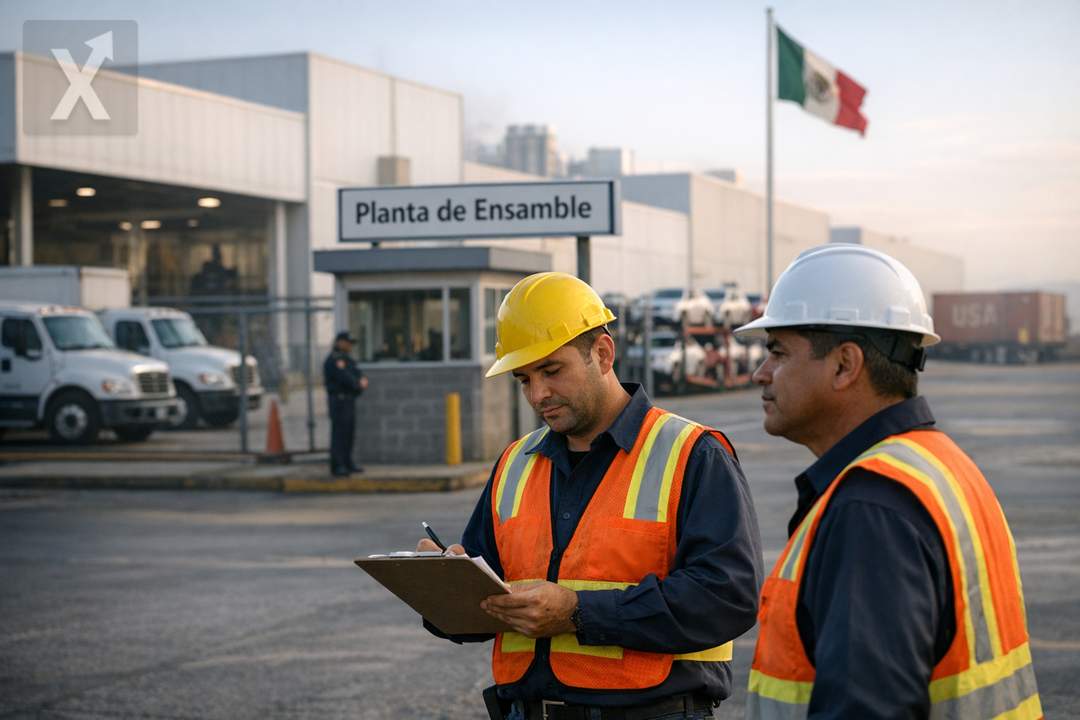
Mexico’s Ministry of Economy reported that Toyota will keep its manufacturing complex in Guanajuato, where it supports 2,800 direct jobs, even as the automaker gradually relocates part of Tacoma pickup production from Tijuana to the United States as part of a global adjustment to its installed capacity. According to the agency, the shift will not happen all at once: the process will roll out step by step and extend through 2030.
The official message aims to contain the reputational and labor impact of the decision at a time of heightened sensitivity for the auto industry—one of Mexico’s main export engines and a pillar of foreign direct investment in manufacturing. The ministry stressed that the Guanajuato plant not only concentrates direct employment, but also anchors a network of suppliers and logistics services with multiplier effects on the Bajío region’s economy.
At the same time, the Ministry of Economy said that in the coming days an additional automotive investment of more than $500 million will be announced by another company, following efforts attributed to the federal government. While neither the company name nor the recipient state was disclosed, the political signal is meant to reinforce the argument that Mexico remains competitive for high-value projects even as U.S. industrial policy tightens.
Toyota’s decision fits into a broader trend: several automakers have chosen to redistribute assembly lines and components across North America to move closer to end markets, reduce logistics risk, and respond to a more demanding trade environment. For Mexico, the challenge is twofold: retaining high-volume export platforms while also attracting investment in more sophisticated segments—advanced supplier networks, automotive electronics, and processes linked to electrified vehicles—without losing cost competitiveness.
USMCA, U.S. industrial policy, and supply-chain reconfiguration
The gradual relocation of production to the United States comes amid cross-pressures: on one hand, U.S. incentives to manufacture domestically and strengthen “domestic” or regional supply chains; on the other, expectations of a USMCA review, which tends to raise investor caution as the political and trade calendar approaches. In practice, this environment has pushed companies to diversify risk: keeping operations in Mexico because of its skilled labor, export scale, and auto-parts ecosystem, while moving certain models or production stages to where they see greater regulatory certainty or tax advantages.
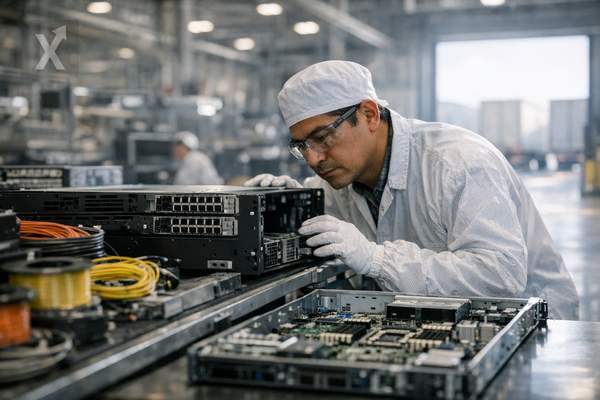
For Mexico, the core strength remains its productive integration with North America, especially in auto parts, stamping, wiring harnesses, interiors, and cross-border logistics. However, competition for new projects is intensifying and is no longer defined only by wages and location, but also by access to reliable power, industrial permitting, highway and rail infrastructure, security along logistics corridors, and engineering capabilities. In states such as Guanajuato and across the Bajío, the competitiveness agenda increasingly hinges on ensuring sufficient electricity supply, accelerating technical training, and sustaining linkages with local suppliers that reduce imports of critical components.
In the short term, the ministry’s announcement lowers the likelihood of an immediate shock to formal employment tied to Toyota in Guanajuato, though it keeps attention on the future of the Baja California plant after 2030. In the medium term, the new automotive investment of more than $500 million will serve as a gauge of manufacturing appetite for Mexico and of the kinds of projects arriving: traditional assembly expansion or, ideally, investments aimed at technology, supplier development, and higher value added.
In sum, the government is trying to project stability: Toyota is maintaining key employment in Guanajuato while adjusting its regional footprint toward the United States, and the federal government is promising a new investment announcement; the backdrop is an industry reshuffling capacity in response to USMCA incentives, rules, and expectations.