Nu updates contracts and gets ready to operate as a bank in Mexico: what changes for users and why it matters
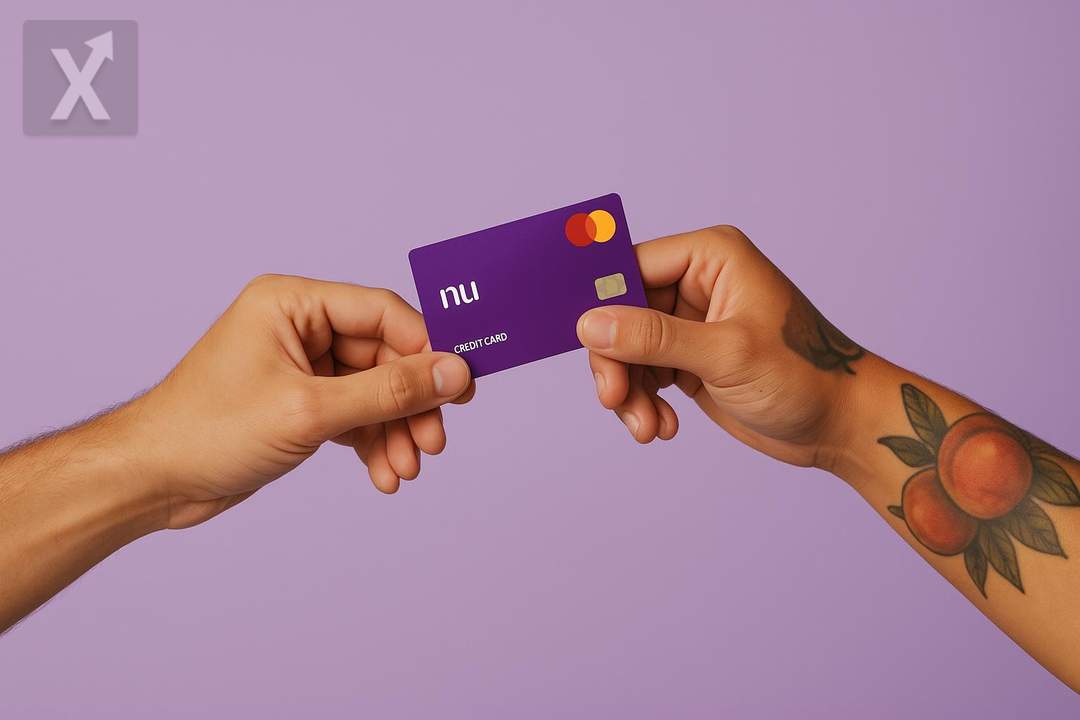
Nu’s migration to a full-service bank reshapes Cuenta Nu contracts starting August 7 and marks a new chapter in the race for savings in Mexico.
Nu has begun notifying millions of customers in Mexico that it will modify the contracts tied to their Cuenta Nu as part of its regulatory transition to operate as a full-service bank. The key date is August 7, when the new documents take effect. The change will be automatic for anyone who remains a user, although customers keep the right to cancel with no penalty if they do not accept the new terms.
The company will stop operating under the Popular Financial Company (Sofipo) model and will instead operate as “Nubank, S.A., Institución de Banca Múltiple.” In practical terms, the contract update aims to align products, processes, and obligations with a different regulatory framework—at a time when Mexico’s financial system has moved toward greater digitization, but also tighter oversight by regulators and more robust operating standards.
For customers, the first step is to review the updated terms: Nu has said the contracts are available in its app and are filed with Mexico’s consumer financial protection agency, Condusef. Customers will not be asked to sign again, since the agreements were executed through electronic mechanisms recognized under Mexican law, and the new language will replace the prior terms as of the stated date.
One of the central points for Cuenta Nu is how returns are described. The account’s general balance does not earn interest; to receive returns, the user must move funds into internal products such as the Savings “Cajita” or the “Frozen” Cajita. In the new contract, the rates are presented as fixed for the product, but the institution retains the ability to change them by notifying customers and updating the information it provides. In a market where rates have stayed high after the monetary tightening cycle, competition for deposits has led banks and digital platforms to revise offers frequently—making it important for users to understand when and how their returns can change.
Another set of changes addresses operational responsibilities: in the event a phone or card is stolen or lost, reporting it immediately becomes decisive in limiting liability for unauthorized charges. The contract also sets a window of up to 90 calendar days to file disputes for unrecognized transactions. In certain cases, the disputed amount may be credited no later than the second business day, unless it is shown that the transaction was authorized with at least two authentication factors—consistent with the growing adoption of anti-fraud controls and stronger verification in digital banking.
When it comes to cancellation, Nu maintains a no-penalty, no-fee policy to end the contract, as long as there are no outstanding amounts owed. For those who disagree with the new terms, the option is to request cancellation before August 7 at no cost. Those who stay will not need to complete any additional steps.
Regarding specific products, Nu has said the Personal Loan contract does not change its agreed terms. For example, the process to cancel the loan in the event of the account holder’s death remains in place, as does the policy of not charging Nu-originated fees for the credit—though third-party payment agents could impose additional charges if their channel is used to make payments.
For credit cards—including the traditional version and the secured-limit version—guidelines such as the “grace period” to cancel within the first 10 business days if the physical card is not used remain, as does the ability to cancel at any time without penalty, although the contract is not fully closed until the balance is paid off.
From Sofipo to full-service bank: effects on competition, confidence, and deposit protection
Moving from a Sofipo to a bank is not just a name change: it means operating under a regulatory architecture with different requirements, greater reporting obligations, stronger controls, and—overall—an operating standard closer to that of the traditional banking system. In Nu’s case, one of the most important elements for users is the explicit reference to deposit protection through Mexico’s bank deposit insurance agency (IPAB) for up to 400,000 UDIs, a threshold that often serves as a confidence signal for depositors in a country where financial inclusion is advancing but still coexists with long-standing mistrust of certain intermediaries and a strong preference for cash among some segments.
From a market standpoint, this shift comes at a time when institutions are competing aggressively to attract retail deposits and to link accounts with credit products, in an environment where interest rates remain a key driver of saver behavior. Nu’s formalization as a bank could push other players to strengthen their digital value proposition, but also to communicate their terms more clearly—rates, fees, timelines, and cancellation rules—to consumers who are increasingly sensitive to contract changes.
For Mexico, the expansion of fully digital models inside the banking perimeter can translate into more options and less friction for users, though the core challenge will remain financial education: understanding the difference between money on demand and yield-generating products, knowing one’s responsibilities in cases of fraud, and evaluating whether liquidity or “freezing” savings fits real needs for spending, emergencies, or medium-term goals.
In perspective, Nu’s contract update reflects how the digitization of Mexico’s financial system is entering a phase of greater regulatory formality: more competition for deposits, a stronger focus on security, and a more detailed contractual relationship. For users, the key will be to compare terms, review rates and return rules, and decide—before August 7—whether the new structure and the new contract framework match their expectations.






