The Risk of a “Super El Niño” Is Back on Inflation’s Radar: Food, Water, and Costs Could Pressure the Outlook Through 2027
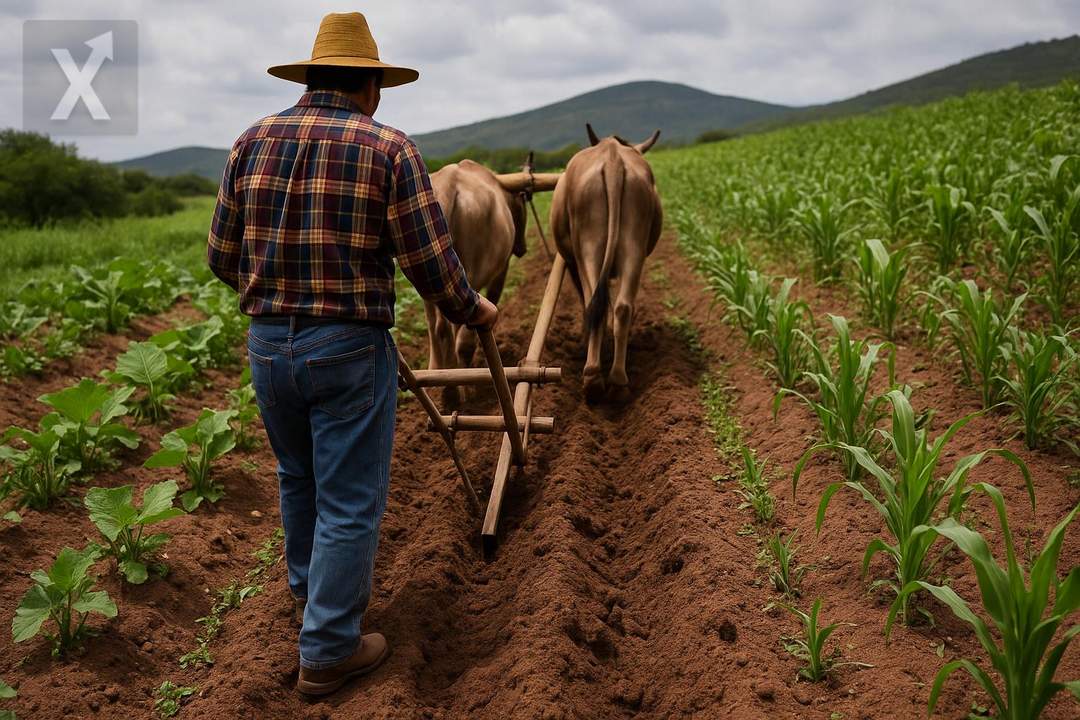
A possible strengthening of El Niño could make harvests and food more expensive with a lag, complicating Mexico’s disinflation path through 2027.
Food inflation in Mexico recently caught a break, but that relief may be temporary. After the decline seen in May in non-core inflation—where volatile items such as agricultural goods and energy are grouped—analysts and monetary authorities are keeping on their radar the risk of a new El Niño episode, with the possibility that it could develop into a “Super El Niño” and generate climate disruptions with economic fallout over the coming quarters.
This is no small issue for the price trajectory. Agricultural products carry significant weight in Mexico’s National Consumer Price Index (INPC), and within that category, crops tend to be especially sensitive to changes in temperature and rainfall. Persistent moves in the prices of staples such as tomatoes, beans, potatoes, bananas, corn, onions, avocados, apples, and rice can spill over into headline inflation and make it harder to converge to the Bank of Mexico (Banxico) 3% target.
In the near term, market consensus still expects inflation to end the year above Banxico’s goal, in an environment where supply shocks can reignite bouts of volatility. Banxico has warned in its communications that upside risks include climate events and their effects on production and distribution chains, particularly for food.
The transmission channel typically operates with lags: an adverse weather episode does not necessarily show up immediately in the INPC, but rather as crop losses materialize, irrigation and logistics costs rise, and supply flows are reshaped. For that reason, various research desks see potential pressures becoming more visible in 2026 and, more intensely, during 2027, depending on the persistence and severity of the phenomenon.
Food, Water, and Logistics: Why the Shock Could Last More Than One Season
Beyond the weather itself, the inflation risk in food is becoming structurally more complex due to its interaction with water stress. Lower water availability in several regions—with different impacts between the north and the south—can reduce agricultural yields or raise costs by requiring more irrigation, energy, and transportation. At the same time, when supply is balanced through imports or shipments from less-affected areas, logistics costs become an additional factor, especially for perishable goods that require cold chains and rapid distribution.
This backdrop intersects with the monetary policy objective: even if core inflation continues to decelerate, a prolonged rebound in non-core inflation can contaminate expectations, raise perceived risk among households and businesses, and slow the normalization of prices. For Banxico, the challenge is to distinguish between temporary shocks and those that, due to their duration or recurrence, end up filtering into price- and wage-setting.
Another point of focus is input costs. In recent months, analysts have underscored the international rise in fertilizer prices—particularly those tied to processes linked to natural gas and refining—as a factor pushing up production costs. When these increases coincide with adverse weather conditions, the impact can be amplified: it becomes more expensive to produce while supply is simultaneously reduced by crop damage.
For consumers, the effect shows up in the everyday grocery basket and can hit lower-income households harder, since they allocate a larger share of their spending to food. For businesses—especially restaurants, retailers, and agro-industrial producers—volatility complicates contracts, margins, and inventory planning, which can translate into more frequent price adjustments.
In macroeconomic terms, a sustained rise in agricultural prices tends to increase uncertainty about how quickly inflation will return to levels consistent with the target. If the shock materializes in 2026–2027, it could coincide with a period in which the Mexican economy will be seeking to consolidate investment and production tied to the reshuffling of supply chains, in an environment where food and water costs also influence regional competitiveness and industrial location decisions.
Early signals to watch include reports of extreme temperatures and rainfall patterns, reservoir levels, the evolution of wholesale fruit and vegetable prices, and agricultural input costs. Reading these indicators—alongside the reaction of inflation expectations—will be key to anticipating whether the episode remains a temporary dip or becomes a persistent source of pressure.
In short, the recent decline in agricultural inflation offers a window of relief, but it does not guarantee a straight-line path downward: the potential “Super El Niño,” water stress, and higher input costs outline a risk that could reemerge forcefully by 2027 and require close monitoring of prices and supply chains.






