Mexico and the United States Move Into the “Fine Print” of the USMCA: July Kicks Off the Substantive Negotiations
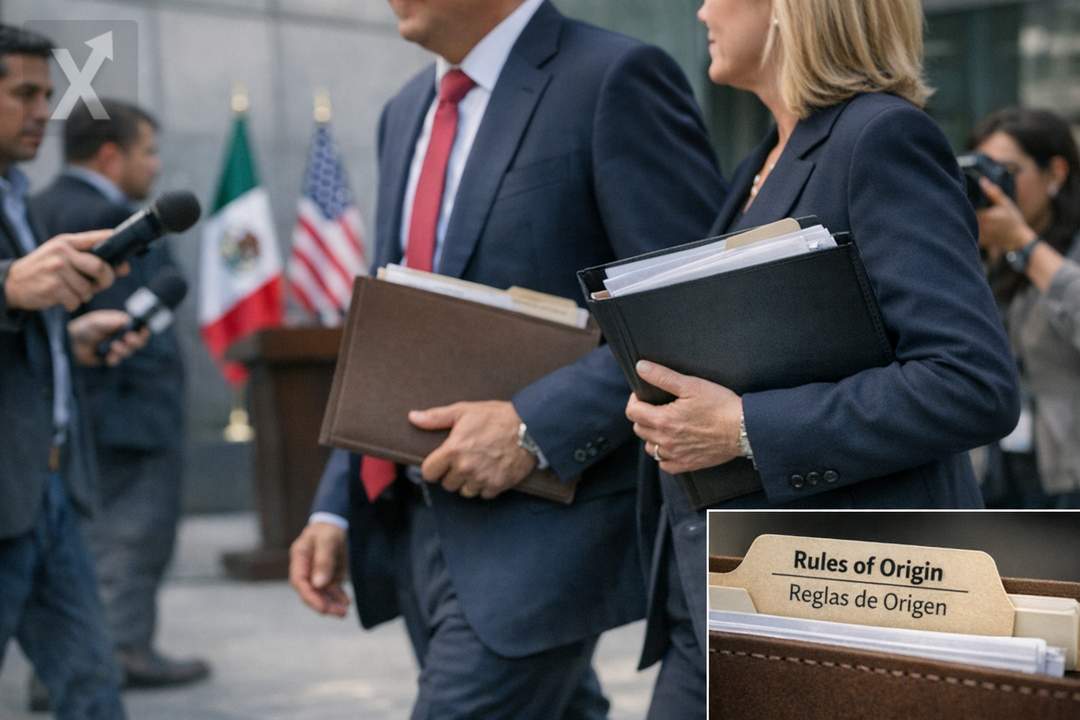
The USMCA review enters a key technical stage that could reshape rules of origin, the auto sector, and investment certainty in Mexico.
The review of the United States–Mexico–Canada Agreement (USMCA) is set to enter a more decisive phase starting in July, when delegations begin working on drafted proposals and specific text. After months of preliminary exchanges, the process moves past broad discussion and into the arena where definitions, exceptions, timelines, and enforcement mechanisms are negotiated—elements that ultimately affect costs, investment decisions, and foreign trade operations.
From Washington, Mexico’s Economy Minister Marcelo Ebrard reported that the second round of bilateral talks with the United States produced progress on issues considered strategic for the region: rules of origin, economic security, agriculture, and the automotive industry, among other sensitive links in North American supply chains. The U.S. team was led by Trade Representative Jamieson Greer, and both sides have stated that the goal is to align incentives so the agreement’s benefits are reflected primarily within North America.
As part of these understandings, Mexico and the United States supported the creation of a committee to assess implementation of Chapter 12 on sectoral annexes, with the aim of strengthening regulatory compatibility. These kinds of tools, while technical, are often important for highly regulated industries with stringent standards, since they reduce friction and administrative costs in the exchange of goods and components.
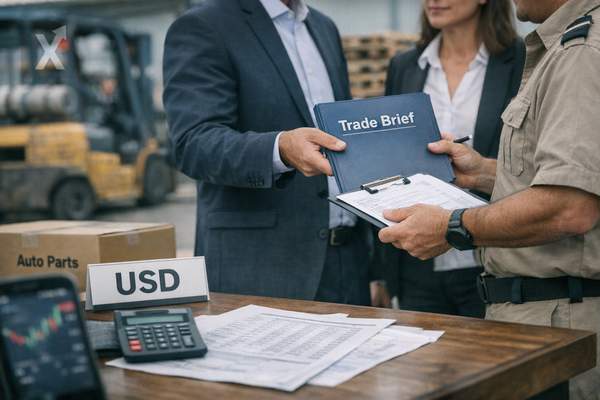
The expected timeline adds pressure and visibility to the process. A virtual trilateral meeting is slated for July 1 and would mark the formal start of the review, and on July 20 in Mexico City a round would begin to discuss more detailed text and content. In practice, that “fine print” can translate into adjustments to regional content criteria, verification methodologies, customs procedures, or interpretations that change the operating room for companies based in Mexico.
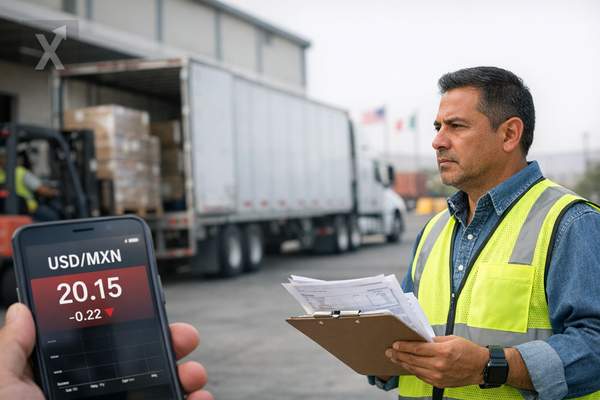
The discussion is taking place in a context where trade with the United States remains the main external anchor for Mexico’s economy: roughly four-fifths of exports go to that market, and a meaningful share of fixed investment tied to manufacturing depends on regulatory and trade certainty. In a more fragmented global environment, Mexico has also benefited from the relocation of production processes (nearshoring), but those flows are sensitive to the perception of stable rules and to how quickly trade disputes are resolved.
At the same time, political noise has risen again. In recent days, Donald Trump revived doubts about the usefulness of the USMCA by saying that, as a matter of personal preference, he could do without the agreement—though without closing the door on keeping it. For companies and investors, messages like these often translate into an uncertainty premium: expansion, hiring, and machinery purchases may be delayed when the trade framework appears subject to political swings, even if technical negotiations continue.
Economic Impact on Mexico: Exports, Autos, and Investment Under Scrutiny
For Mexico, the most sensitive point in a text-focused review typically centers on rules of origin and their effects on manufacturing—especially the automotive sector, which integrates thousands of suppliers and operates through cross-border chains. Changes to regional content thresholds, traceability criteria, or verification requirements can shift compliance costs and determine whether a vehicle, auto part, or component qualifies for preferential tariff treatment. In parallel, the “economic security” agenda may incorporate criteria related to strategic dependencies (for example, critical inputs), increasing the importance of legal certainty for new investments and long-term planning.
The macroeconomic relevance is significant: a stable trade framework helps sustain export momentum, which has been one of the main drivers of growth in recent years, even as domestic consumption and investment have gone through periods of slowdown. In addition, the type of negotiation opening in July could indirectly affect foreign investment expectations and how markets assess Mexico’s country risk—especially if the conversation turns into sector-specific pressure or disputes that require panels and formal proceedings.
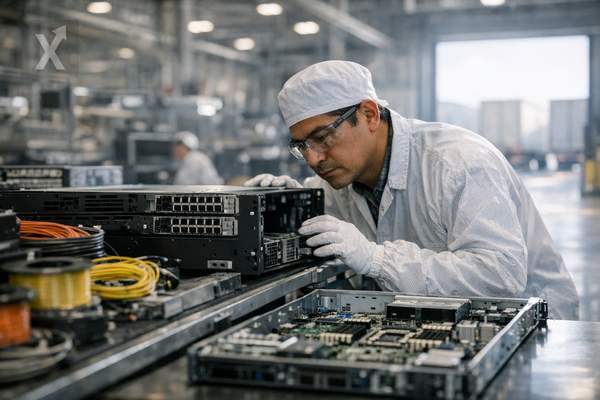
Looking ahead, the review will also be closely watched by states and industrial corridors that have received new plants and expansions due to nearshoring, as well as by emerging sectors seeking to plug into regional supply chains—from medical devices and electronics to semiconductor-related segments. In these cases, predictable rules and regulatory efficiency are often as important as labor costs or logistics.
In sum, July will mark the shift from political bargaining to technical negotiation under the USMCA, with potential effects on rules of origin, the automotive industry, and investment certainty in Mexico; the outcome will depend as much on legal details as on the political climate in the United States.