Mexico Accelerates the Industrialization of Its Science with New Funding and Regulatory Pathway to Export Technology

The federal government has launched a new phase to take scientific prototypes to large-scale manufacturing, with the Secretariat of Science, Humanities, Technology and Innovation (SECIHTI) at the forefront, supported by COFEPRIS and experts from IMSS, ISSSTE, and the Ministry of Health. The initiative goes beyond the academic showcase: dialyzers and other medical equipment, buoys and sensors for oceanic and atmospheric monitoring, as well as devices developed at universities, are set to be mass-produced to supply the domestic market and, in a second stage, to target export niches.
The emphasis on public health addresses a pressing need. Mexico faces a high prevalence of chronic degenerative diseases, like diabetes, which drive demand for dialysis equipment – most of which is currently imported. Building a competitive local supply could reduce costs, ensure supply, and create higher-skilled jobs. At the same time, the country needs technological infrastructure to cope with growing climate risks: buoys and measurement platforms capable of delivering real-time data help anticipate hurricanes and extreme rainfall, offering direct benefits for civil protection agencies as well as sectors like energy, logistics, and insurance.
The university ecosystem has already provided a foundation: institutions such as UNAM, IPN, UAM, and centers like Cinvestav hold patents, prototypes, and research lines with intermediate technological maturity. A standout example is the TARUK electric bus, with a range of up to 300 kilometers between charges and initial orders from state governments. It demonstrates how projects can move from the lab to the market when technology, public demand, and clear regulations are aligned.
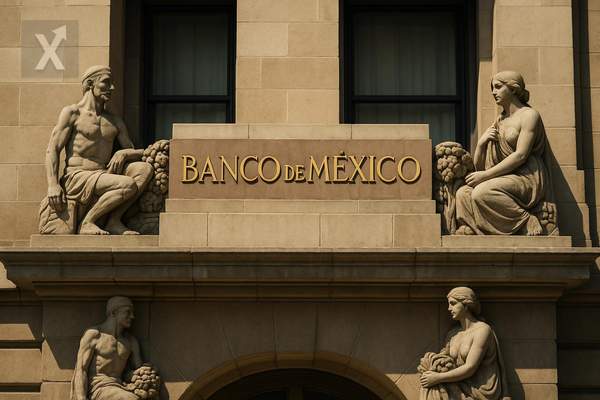
To bridge the technological venture capital gap, the Secretariat of Economy announced a fund that will start with 800 million pesos in 2025 and reach 1.6 billion pesos by 2026, with resources channeled—according to the government itself—through public instruments such as Nacional Financiera and the Mexican Sovereign Fund, while seeking private co-investment to broaden its reach. A committee will prioritize initiatives with strong public benefit and economic viability. The initial portfolio includes semiconductor designs, a national artificial intelligence language, certified aircraft, warehouse robots, a hydrogen vehicle developed since 2009, and a medical ventilator advanced during the pandemic that is seeking authorization in foreign markets.
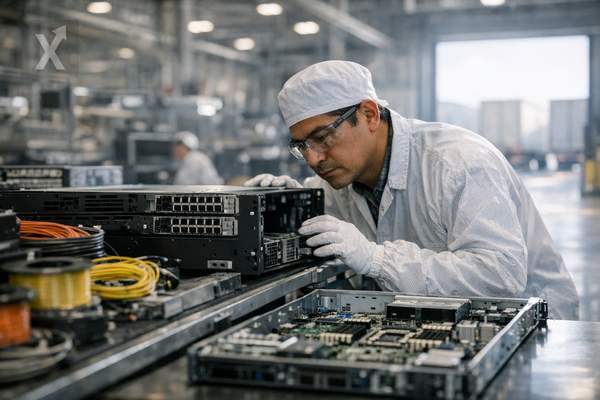
This strategy comes at a time of manufacturing momentum brought on by nearshoring and the reconfiguration of North American supply chains. Mexico is already a key player in medical devices—with clusters in Baja California—and in electronics—Jalisco—but the challenge now is to move up in complexity: meeting standards such as ISO 13485, FDA requirements, or CE marking; integrating local suppliers; and developing proprietary intellectual property. Regulatory modernization at COFEPRIS and cooperation with counterpart agencies will be critical to reducing approval times without compromising standards.
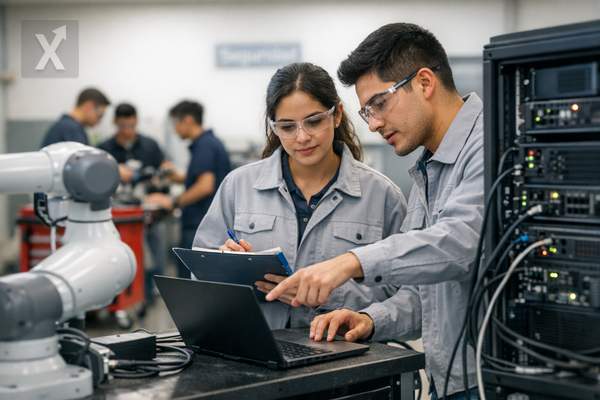
Scaling from prototype to production takes more than just capital: it requires reliable electric infrastructure, regulatory certainty, technical talent, and capabilities in testing and metrology. Investments in power transmission and clean energy, together with strategic public procurement and long-term contracts, can create initial markets for these technologies. Recent experience with high-intensity hurricanes highlighted the value of monitoring systems; integrating that data into investment decisions in ports, insurance, and agriculture amplifies economic value.
The fiscal environment also matters. In a context where public finances are seeking balance and interest rates remain high, mobilizing private capital and exercising strict project selection is key. Fund governance, transparency in awards, and technical assistance (manufacturing design, certifications, intellectual property, and scaling) will be critical factors in turning science into exports and productivity, instead of isolated pilot projects.
In summary, Mexico is working to move from assembling to designing and manufacturing its own technology. If the promised funding is combined with efficient regulation, smart public purchasing, and local supply chains, projects in health, environmental sensors, and electric mobility could translate into added value, resilience, and new export routes. Execution and quality will be the deciding test.
Final observation: The shift toward the industrialization of science is timely due to nearshoring and proximity to the United States. Success will depend on regulatory certainty, energy, and talent, as well as strict discipline in project selection. The opportunity is there; capitalizing on it will require persistence and clear performance metrics.