Global Food Prices Rise: The Rebound in Grains and Oils Is Putting Inflation in Mexico Under Pressure Again
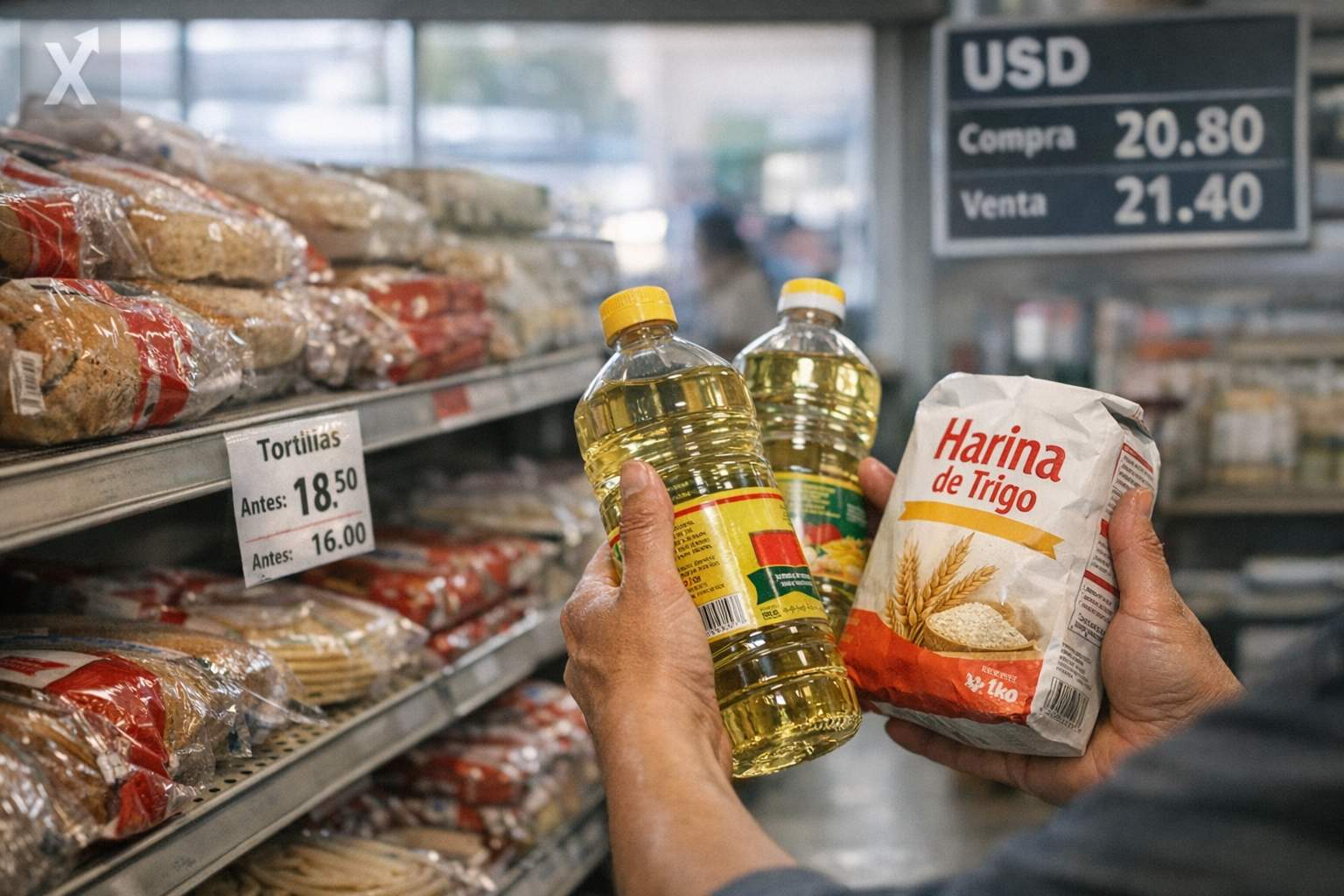
The international rise in wheat and vegetable oils could gradually filter into food prices in Mexico, affecting inflation and consumption.
International food prices posted their first increase in five months in February, according to the Food and Agriculture Organization of the United Nations (FAO) index, driven by higher prices for wheat, vegetable oils, and some meats. While the indicator remains below where it was a year ago, the move brings a relevant question for Mexico back into focus: how much of this pressure could pass through to the basic consumer basket and to overall inflation in the months ahead?
For the Mexican economy, these episodes matter through two channels. The first is direct, through the import costs of agricultural-food inputs and energy tied to the production chain (from feed grains to oils). The second is indirect, because a sustained upswing in food prices tends to lift core inflation via processed goods—bread, pasta, snacks, industrial dairy products—even when domestic agricultural prices follow a different pattern due to seasonality and weather.
The FAO report attributes the monthly rebound to increases in cereals—citing frost damage and logistics problems in the Black Sea region—and to a jump in vegetable oils to their highest level since 2022. In Mexico, where agricultural production coexists with deep trade integration for inputs and food products, the reading becomes especially relevant for food companies, grocery and big-box retailers, restaurants, and households, which allocate a significant share of their spending to food and beverages.
In recent years, the country has faced bouts of food inflation that hit purchasing power hard, particularly among lower-income households. While overall inflation has shown signs of easing from its peaks, the food component is often the most sensitive to climate shocks, transportation costs, and global supply conditions.
Wheat and Oils: the “Bridge” to Bread, Tortillas, and Prepared Foods
Wheat is a key input for a wide range of urban consumption: packaged bread, pastries, cookies, flour, and pasta. An international increase does not translate immediately into consumer prices, because inventories, purchasing contracts, industry margins, and competition between brands all play a role; however, when the rebound is persistent it can show up as gradual shelf-price adjustments. At the same time, vegetable oils—palm, soy, and others—are essential in processed foods and prepared meals, and they also influence cost structures for restaurants and fast-food chains.
The case of corn tortillas is different, because it depends more on the white corn market and on the cost structure of nixtamalization/corn flour, energy, and distribution. Even so, higher oil prices and other inputs can raise the cost of preparing food in small eateries and at home, increasing the perception of higher living costs even if a specific product does not rise right away.
Beyond grains and oils, the increase in meats reported by the FAO could have implications for Mexico at a time when consumption is adjusting cautiously: when animal protein gets more expensive, many households switch to cheaper options or cut back on frequency, which ultimately affects domestic demand and the sales mix in retail. By contrast, the international drop in sugar and some dairy products could help moderate pressure on industrial goods, although pass-through is not automatic and depends on local costs, the exchange rate, and commercial strategies.
From a macroeconomic standpoint, a global environment of more expensive food adds complexity to the disinflation process. For the central bank, the challenge is to distinguish between temporary shocks and more persistent pressures, especially when food inflation affects consumer expectations. In Mexico, the evolution of the U.S. dollar exchange rate against the peso can also amplify or dampen price pass-through: a strong local currency usually helps contain import costs, while bouts of volatility tend to make them more expensive.
Looking ahead, the main focus will be whether the rebound observed by the FAO becomes more firmly established in the second quarter, depending on weather, global logistics, and biofuel policy, which can influence demand for oils such as soybean oil. For Mexico, tracking international prices and their “pass-through” to the food industry will be key to anticipating moves in inflation, household spending, and pricing decisions across the sector.
Overall, February’s international food-price increase does not, by itself, imply a new inflation wave in Mexico, but it does raise the risk of gradual pressure on everyday consumer products—especially if it persists and coincides with episodes of exchange-rate volatility or domestic climate shocks.






