The “Super Peso” Regains Momentum: A Weaker Dollar, High Rates, and Political Volatility Shape the Start of 2026
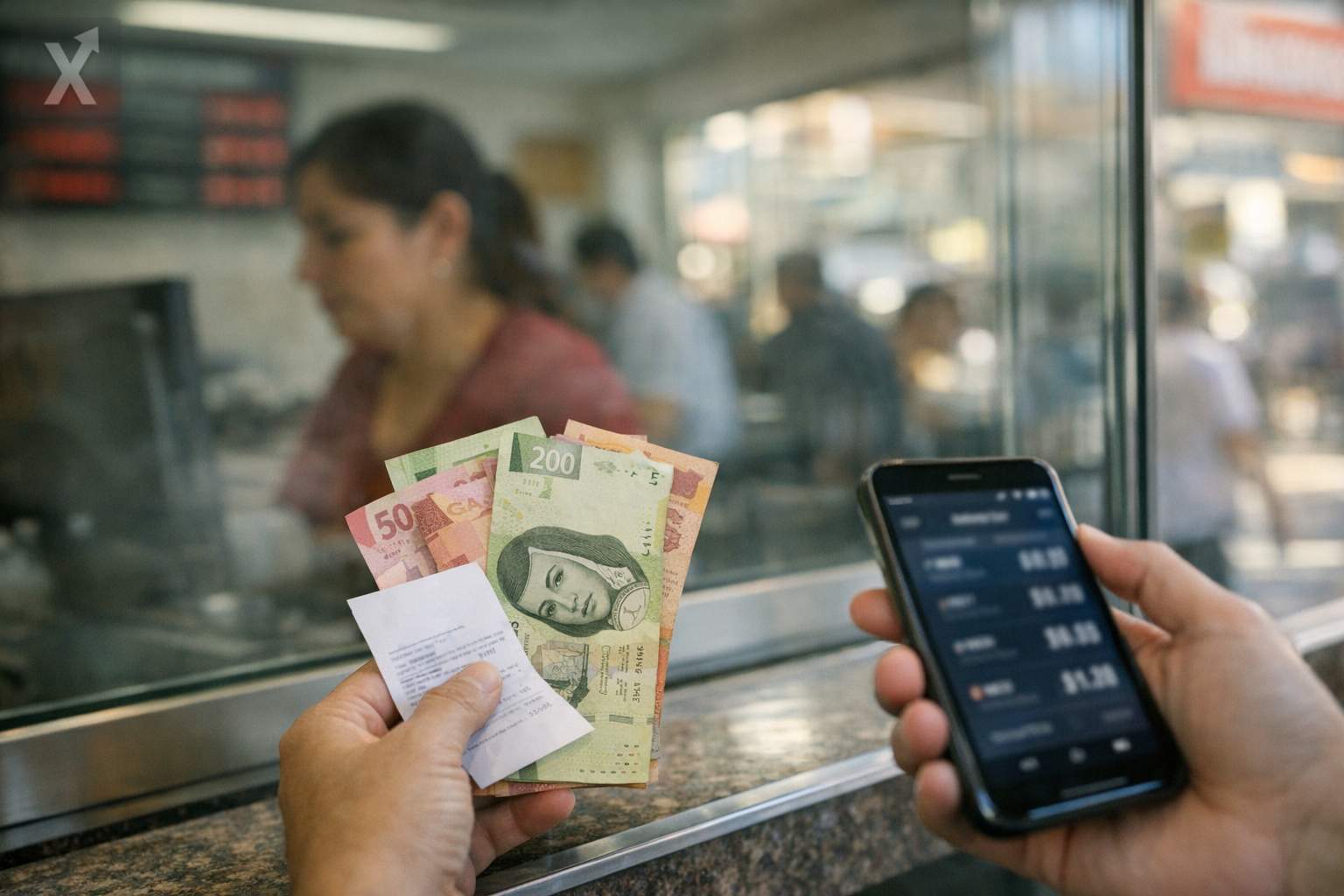
The Mexican peso has once again ranked among the best-performing currencies at the start of 2026, supported by a mix of external forces—chiefly the loss of momentum in the U.S. dollar across global markets—and Mexico’s relatively attractive yields. In recent sessions, the exchange rate has hovered around levels not seen since mid-2024, reviving the “super peso” narrative amid an international backdrop in which political and trade uncertainty in the United States is back at the center of the financial conversation.
In the spot market, the Mexican currency has posted gains that add to its year-to-date appreciation. The prevailing view among analysts is that the move is driven more by broad-based weakness in the greenback than by a structural shift in local fundamentals. Public debate around new decisions by President Donald Trump—including international announcements that have stirred diplomatic noise—has been interpreted as an additional source of volatility and portfolio repositioning, with flows seeking alternatives outside the dollar.
The external backdrop matters: when investors adjust exposure amid geopolitical tensions, doubts about the U.S. fiscal path, or pressure on institutional credibility, they often increase bets on liquid emerging-market currencies offering attractive rates. Within that group, the peso stands out for its market depth, its heavy use in hedging instruments, and the interest-rate differential versus advanced economies, which has historically anchored “carry trade” strategies.
On the domestic front, the latest inflation print again showed stickiness in core components, narrowing the room for rapid cuts to the benchmark rate. That outlook reinforces expectations that the Bank of Mexico (Banxico) will maintain a cautious stance: while the previous cycle pointed to gradual normalization, the central bank faces the challenge of preventing short-term shocks—fiscal adjustments, services-related pressures, and persistence in goods—from feeding into expectations. For FX markets, the implication is clear: relatively high rates for longer help sustain demand for peso-denominated assets.
Still, a strong peso isn’t a one-dimensional story. For the real economy, a prolonged appreciation tends to make imports cheaper and can, at the margin, help contain prices for tradable goods; but it can also undermine exporters’ competitiveness, especially in sectors that are sensitive to the exchange rate and operate with thin margins. The dilemma becomes more relevant given Mexico’s deep manufacturing integration with North America and the weight of automotive, electronics, and industrial equipment exports. In addition, exchange-rate performance intersects with the regional trade agenda: any sign of hardline renegotiation, regulatory reviews, or political friction can translate into bouts of volatility.
Another channel to watch is financial conditions. A stronger peso typically encourages issuance and financing in local currency and temporarily improves certain risk indicators; but it can also increase the market’s sensitivity to abrupt shifts in global sentiment. If the main driver is external—a weaker dollar—a change in the narrative in Washington, an unexpected rise in U.S. yields, or an escalation in trade tensions could reverse part of the gain quickly. In that sense, the peso’s strength coexists with the typical fragility of a world defined by frequent shocks.
Looking ahead, the market will keep calibrating three variables: the path of inflation and Banxico’s response; the evolution of global risk appetite and the dollar’s performance; and the North American trade environment, which is critical for investment and exports. If the rate differential remains wide and there are no severe external shocks, the peso could stay strong through a significant part of 2026. But, as in prior cycles, the same financial appeal that drives fast inflows can also amplify outflows when sentiment shifts.
In perspective, the return of the “super peso” reflects global repositioning around the dollar and expectations of higher-for-longer rates in Mexico more than any sudden improvement in fundamentals. Currency strength brings benefits via lower imported inflation and financial stability, but it also creates competitiveness challenges for exporters and leaves the country exposed to policy swings and risk events in the United States.






