Inflation Ticks Up in January on Higher Excise Taxes for Soda and Tobacco; Banxico Gains Support to Pause Rate Cuts
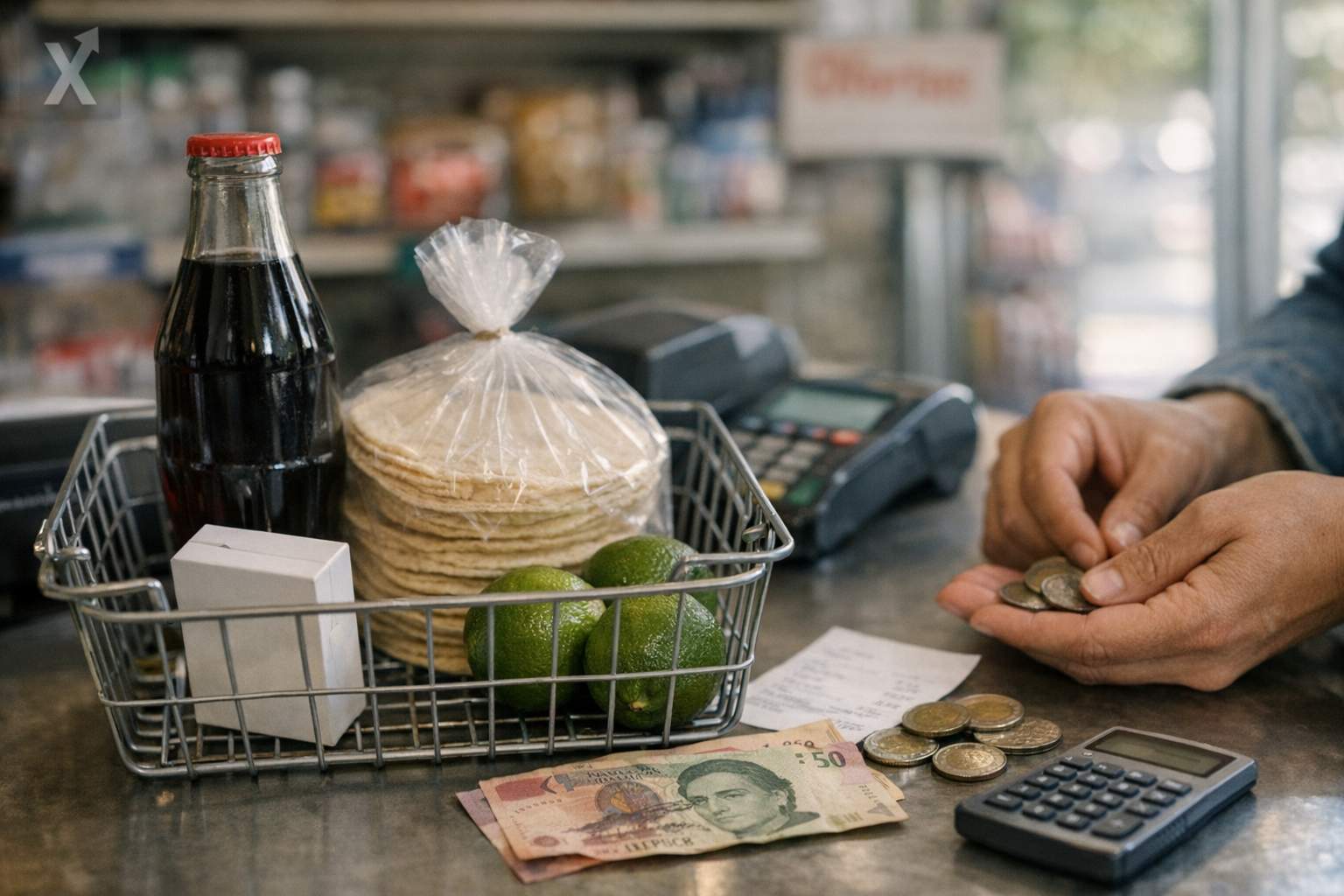
Inflation in Mexico started the year with an uptick: in January, the National Consumer Price Index rose 3.79% year over year, according to INEGI, mainly pressured by higher taxes on sugary drinks and cigarettes. The figure topped the 3.69% recorded in December and rekindles the debate over how quickly monetary policy can be eased in the coming months, especially given the central bank’s target of 3% +/- one percentage point.
The core component—which typically offers a better read on the medium-term trend by excluding energy and agricultural goods—came in at 4.52% year over year. This suggests that while the fiscal shock (IEPS excise tax) explains part of the rebound, inertia remains in services and certain consumer categories beyond the usual “noise” from more volatile prices. In practical terms, the outlook is still one of gradual disinflation, but at an uneven pace and with risks of temporary flare-ups.
The most noticeable increases were concentrated in cigarettes and bottled soft drinks, as well as set-menu food services—local eateries, lunch counters, torta shops, and taquerías—along with restaurants. Housing and electricity also posted gains, categories that typically weigh heavily on household budgets. On the food side, lemons and bananas stood out for rising prices, in a context where seasonality, logistics costs, and retail margins tend to amplify short-term moves.
In contrast, the biggest declines for the month were seen in air travel, eggs, and LP gas, along with some vegetables such as serrano peppers, onions, lettuce, and cabbage. This mixed performance is consistent with an environment where idiosyncratic shocks coexist with broader cooling: for example, energy can ease inflation for periods, while services and prepared foods remain pressured by labor costs, rents, and domestic demand.
For the Bank of Mexico, the data strengthens the case for caution. After prior cuts, the Governing Board recently decided to hold the policy rate at 7% to gauge the impact of the IEPS adjustment and the path of core inflation. In markets, the baseline scenario still includes additional cuts later this year, but with greater data dependence: if services don’t cool and fiscal shocks pass through more than expected, the window for lowering rates could shift into the second half of the year.
The international backdrop also matters: exchange-rate stability has helped contain imported inflation pressures in recent quarters, but bouts of global volatility—driven by foreign interest rates, energy prices, or risk-off sentiment—can change that contribution. Given the weight of trade with the United States, any shift in the U.S. economic cycle filters into Mexico through manufactured exports, remittances, and financial conditions, ultimately influencing both demand and prices.
Looking ahead, analysts are also watching seasonal factors and extraordinary events that could temporarily lift certain prices, particularly in services. A contained rebound—if it materializes—would not necessarily change the disinflation trend, but it could affect inflation expectations and therefore the pace at which Banxico feels comfortable easing its stance. In that balancing act, the central bank typically prioritizes clear signs of moderation in core inflation, especially in services, to prevent inflation from “re-accelerating” through second-round effects.
In sum, January confirms that the disinflation process continues, but not in a straight line: the IEPS on soda and tobacco pushed up the headline figure, and core inflation remains elevated. That gives Banxico more room to maintain a cautious posture and to condition future cuts on sustained improvement in core inflation, while households and businesses face a start to the year with selective pressures on everyday consumption and services.






