The European Union hits the gas with Mexico: updating the EU–Mexico free trade deal grows more urgent in a world of tariffs and reshoring

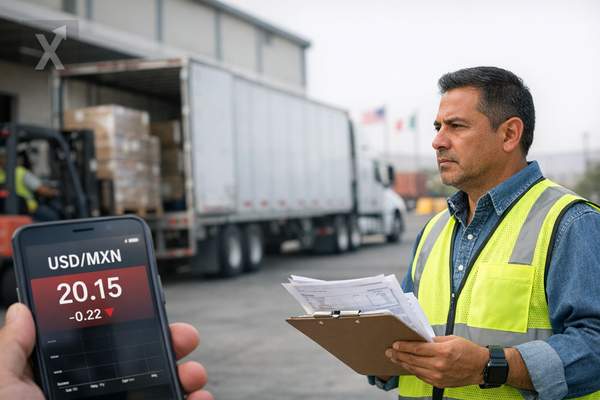
The European Union (EU) is moving its trade pieces faster than usual. In an environment of tariff tensions, supply-chain realignment, and competition to attract investment, Brussels wants to expand its network of “predictable” partners beyond its immediate neighborhood. On that chessboard, Mexico stands out as a strategic asset: because of its market size, its manufacturing base, and its role as an export platform to the United States.
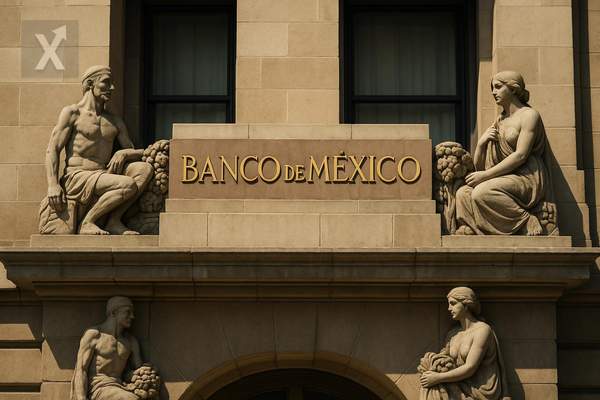
The interest isn’t starting from scratch. According to Banco de México (Banxico) data, from January to November 2025, EU–Mexico trade totaled about $86 billion, roughly 7% of Mexico’s total trade. That figure confirms a meaningful relationship, but it also highlights the room to grow when compared with Mexico’s heavy dependence on the U.S. market. For the European bloc, Mexico is already its second-largest trading partner in Latin America—behind only Brazil—and it serves as a gateway to North America under USMCA rules.
After wrapping up negotiations in 2025 to modernize the Global Agreement (the EU–Mexico FTA), launched in 2016, the process is moving into a political stage where timing matters. In recent weeks, the EU has also pushed other fronts: finalizing texts with Mercosur, making progress with India, and strengthening ties with Vietnam—signals of a diversification strategy in response to a more fragmented international landscape. At the same time, Mexican diplomacy has tried to keep the issue front and center: Mexico’s ambassador to Belgium, Luxembourg, and the EU, Rogelio Granguillhome, met with MEP Bernd Lange to review the scope and speed up the path toward signing and ratification.
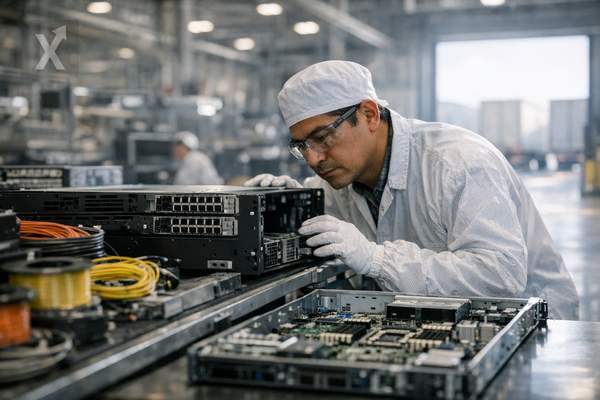
In bilateral trade, Mexico exports mainly industrial goods to Europe: machinery and equipment, chemicals, minerals, auto parts, and basic metals, as well as components tied to automotive and advanced-manufacturing supply chains. That mix fits with the domestic debate over how to increase local content and value added in exports—especially now that nearshoring is opening opportunities but also demanding infrastructure, reliable energy, logistics, and regulatory certainty to turn investments into reality.
The modernized agreement is more ambitious than the one from 2000. IMCO has emphasized that since the original deal took effect, trade has quintupled and productive corridors have consolidated with Germany, Spain, and Italy, especially in automotive, pharmaceuticals, machinery, and financial services. Still, bottlenecks remain: limited capabilities in some regions to plug into global supply chains, uneven logistics across states, strain on water and electricity in industrial hubs, and a business climate that swings between progress and bouts of uncertainty.
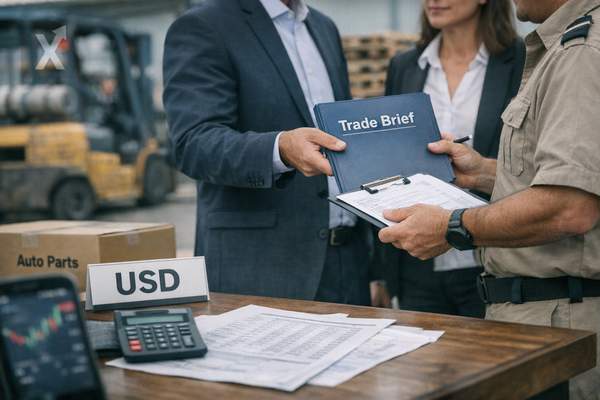
One figure that often comes up in the debate is the balance: the EU runs a surplus of more than $36 billion with Mexico. That gap explains part of the European narrative: the original agreement benefited EU companies in a pronounced way, while the modernization seeks to incorporate areas and rules that are central today—services, public procurement, investment, sustainability—with clearer mechanisms. For Mexico, the challenge will be turning the updated framework into more value-added exports, deeper technological integration, and more opportunities for local suppliers, rather than simply importing high-content European finished goods.
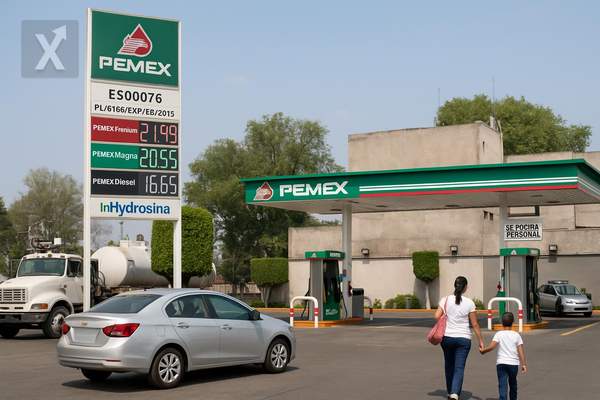
On tariffs, the new agreement would eliminate duties on about 99% of traded products. That would expand competition in the Mexican market and improve access for European goods with strong reputations—especially food and beverage products like wine, cheese, and processed items—that currently face high tariffs in certain categories. For consumers, it could mean more variety and downward pressure on some relative prices; for domestic producers, an incentive to raise standards, traceability, and differentiation, though also a potential source of sectoral tension in sensitive segments.
Beyond goods, the services and public procurement chapter could be decisive. Greater European participation in government bids, telecommunications, transportation, and financial services would increase competition and could bring investment and know-how. But the impact will depend on execution: clear rules, permitting timelines, competitive conditions, and the institutional capacity of all three levels of government. In a country where gross fixed investment has shown cycles of recovery and pause, and where financing costs remain a relevant factor, regulatory predictability is just as important as tariff access.
The agreement also includes commitments on labor rights and the environment—an increasingly influential theme in global trade. For Mexico, which in recent years has strengthened its labor agenda due to international pressure and commitments, convergence with European standards can drive improvements in certifications, compliance, and traceability, though with adaptation costs for small and mid-sized businesses. In parallel, the EU is looking to secure supply chains for critical inputs for its green and digital transition; Mexico could position itself as a reliable supplier if it can develop projects with certainty, streamlined permits, and verifiable sustainability.
The big question going forward is speed. Although there has been talk of signing in the first four months of the year, Europe’s ratification process is often complex, with parliamentary review and internal political sensitivities in multiple countries. On Mexico’s side, the challenge will be to “land” the agreement within an industrial strategy: link investment to workforce training, push logistics infrastructure, and send consistent signals for long-term projects—particularly in energy, transportation, and the rule of law.
In a context where Mexico is trying to reduce risks from trade concentration while also leveraging its North American integration, modernizing the EU–Mexico FTA works both as diversification insurance and as a competition lever. Its ultimate payoff, however, will depend less on the text and more on Mexico’s capacity to raise productivity, certainty, and infrastructure so that preferential access translates into investment, higher-value exports, and formal jobs.
Final note: Europe’s urgency to lock in alliances opens a window for Mexico, but it doesn’t guarantee automatic results. The modernized agreement can expand trade and investment and strengthen rules—so long as the country backs it up with public policies that make it easier to operate, export, and innovate in a more volatile global environment.