Musk and the line that “money can’t buy happiness”: what it reveals about global fortunes and Mexico’s economy
Elon Musk’s claim—shared on his own social media platform—that money doesn’t guarantee happiness put the concentration of wealth and economic power back at the center of the debate, in the hands of a small group of corporations and globally influential business leaders. Beyond the personal angle, the message lands at a time when markets and emerging economies, including Mexico, are dealing with financial conditions still defined by relatively high interest rates, strained cost of living, and a growing public discussion around inequality, productivity, and well-being.
The sheer scale of fortunes tied to big tech and the digital economy also has economic implications: global liquidity, risk appetite, and the availability of capital for high-impact projects—from electric vehicles to artificial intelligence—shape valuations, investment flows, and expectations worldwide. For Mexico, those cycles show up in foreign direct investment performance, demand for export-oriented manufacturing, and volatility in financial markets, where the exchange rate often serves as a real-time gauge of confidence.
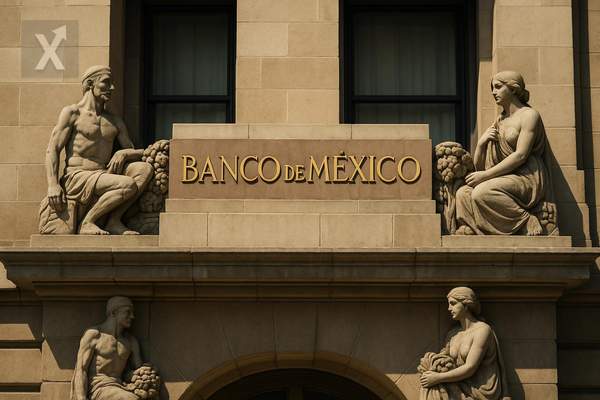
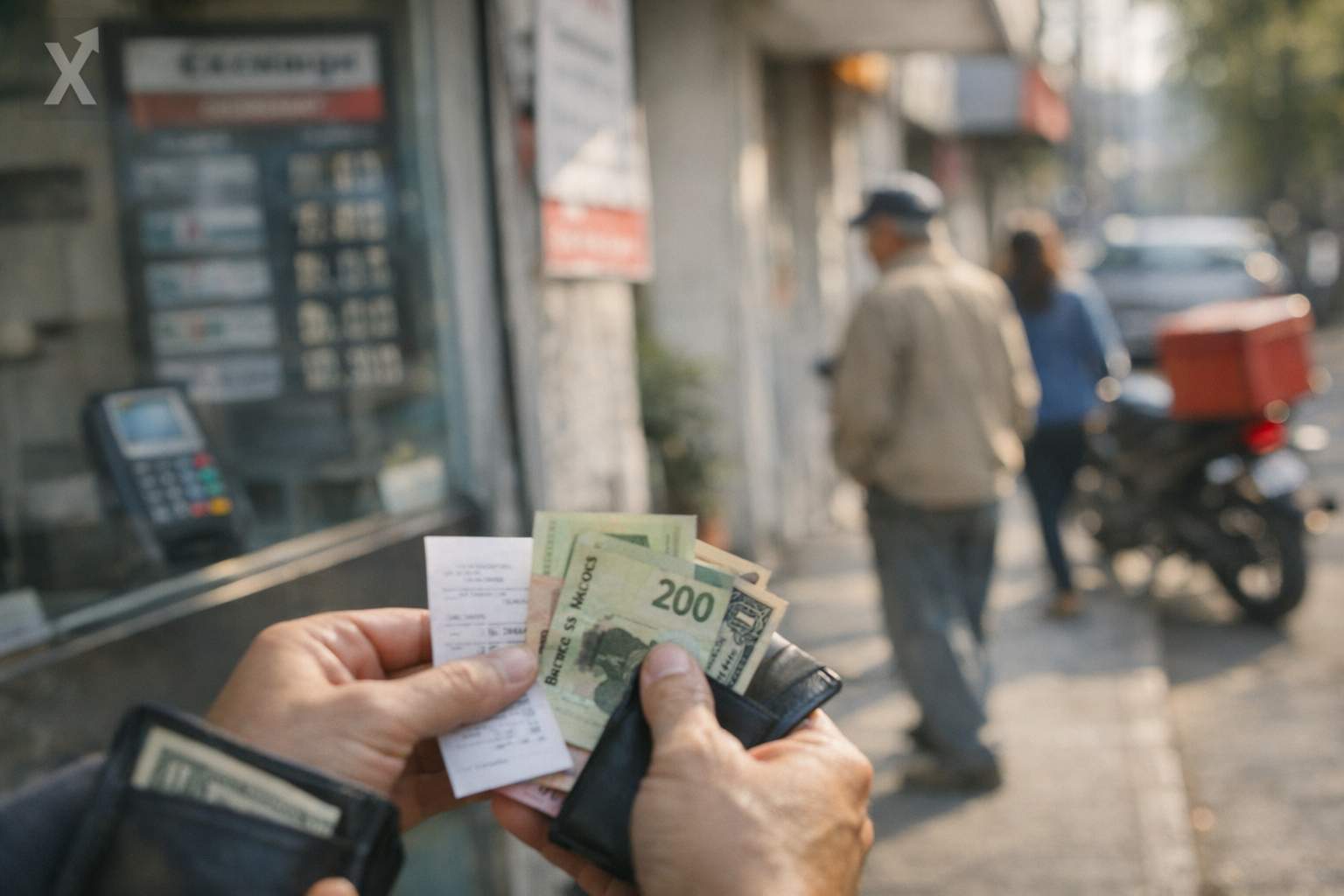
On the FX front, the peso has seen stretches of strength as well as pullbacks driven by both domestic factors and signals coming from the United States, Mexico’s main trading partner. The Federal Reserve’s monetary policy decisions, the momentum of the U.S. labor market, and the direction of U.S. elections and industrial policy tend to move investor appetite for emerging-market assets. In Mexico, Banco de México’s interest-rate stance and the fiscal balance have been key to maintaining attractive rate differentials, though markets also price in risks such as a global slowdown, regulatory changes, and the pace of domestic growth.
The “money and well-being” debate also resonates in Mexico’s own data. While Mexico has made progress in formal employment and in remittance inflows in recent years, structural challenges remain: low productivity across large segments of the economy, high informality, regional gaps, and purchasing power that depends on how inflation and wages evolve. Disinflation has provided some relief, but the cost of services, housing, and certain foods continues to pressure households, while companies feel the sting of high financing costs when credit becomes more expensive.
On investment, the nearshoring narrative remains a key tailwind for Mexico, but turning it into reality depends on very specific conditions: sufficient energy infrastructure, water availability, logistics, security, and regulatory certainty. Paradoxically, the boom in global firms tied to technology and advanced manufacturing coexists with local bottlenecks that limit how much of that upside translates into broad-based well-being. In that context, the implicit comparison between “extreme wealth” and “social well-being” becomes a useful way to discuss how the gains from growth are distributed—and what policies can expand opportunity without undermining macroeconomic stability.
Looking ahead, Mexico’s main challenge will be to maintain a balance: preserving investor confidence and peso stability, while keeping in mind that well-being ultimately depends on productivity, competition, investment, and high-quality public services. In a world where the fortunes and decisions of a few can move markets, Mexico’s economy will remain tied to external cycles—but it still has room to build resilience if it can convert investment and trade into better-paying jobs and higher value added.
In short, Musk’s comment is a reminder that extreme wealth doesn’t necessarily translate into well-being, and it opens a timely conversation for Mexico: macro stability, the exchange rate, and attracting investment matter, but sustained growth and higher real incomes depend on removing structural bottlenecks and boosting productivity so the benefits of economic progress reach more households.