México acelera en aeroespacial: exportaciones repuntan y Estados Unidos refuerza su apuesta por la integración regional
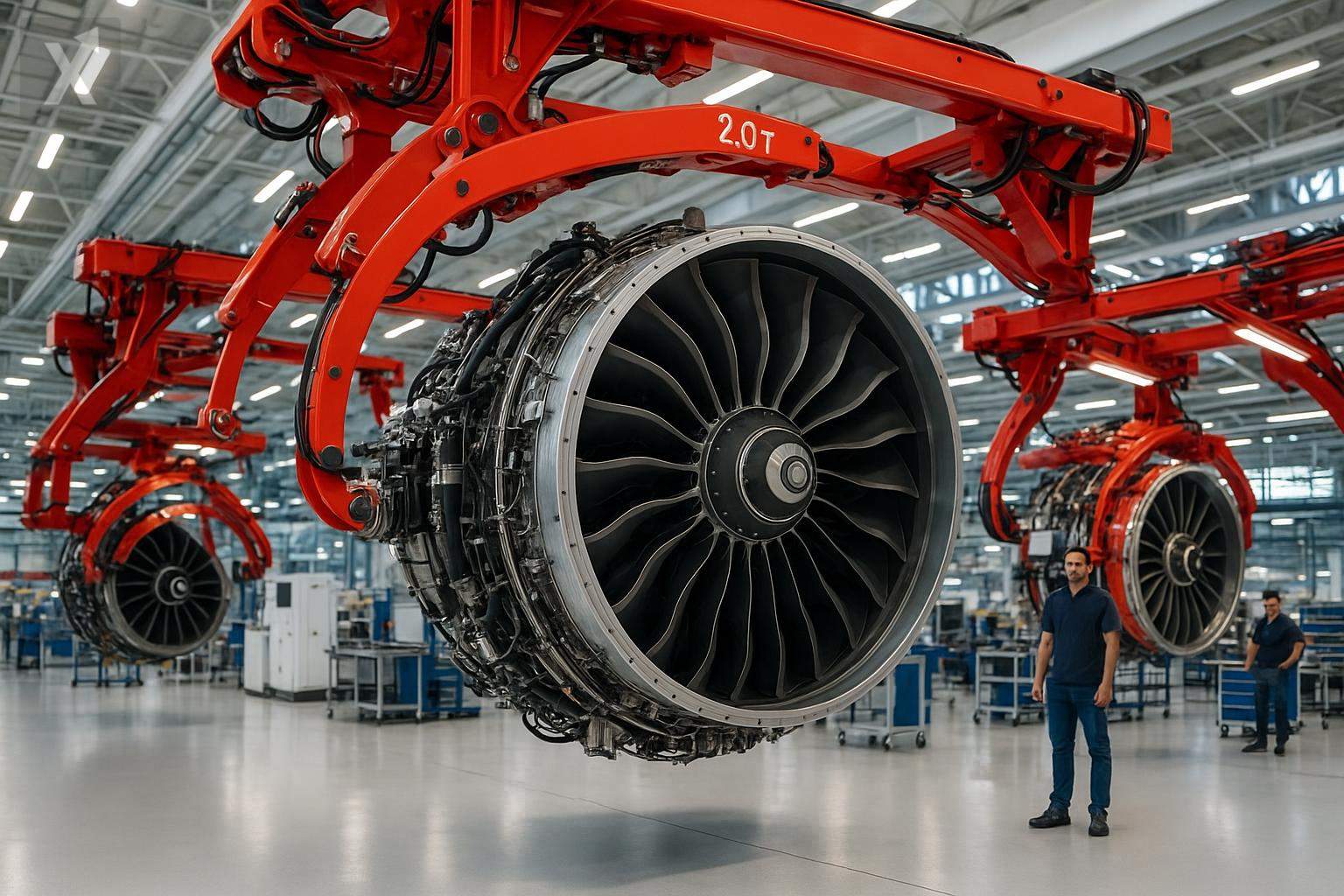
El salto exportador del sector aeroespacial consolida a México como proveedor estratégico de Estados Unidos y abre presión por más proveeduría local y talento.
La industria aeroespacial mexicana dejó atrás el perfil de “apuesta a futuro” para consolidarse como uno de los segmentos manufactureros más dinámicos del país, impulsado por la integración productiva de América del Norte y por la reorganización de cadenas de suministro a escala global. En los últimos años, el valor de las exportaciones del sector creció con fuerza: de alrededor de 6,700 millones de dólares en 2021 a cerca de 10,700 millones en 2024, un avance cercano a 60%, de acuerdo con datos difundidos por la Federación Mexicana de la Industria Aeroespacial (Femia).
La trayectoria continuó en 2025. Si bien la estimación sectorial apuntaba a 12,000 millones de dólares, distintas lecturas a partir de fracciones arancelarias y estadísticas monetarias sugieren un cierre superior a 13,600 millones. El dato es relevante no solo por su magnitud, sino por su composición: aproximadamente 80% de las exportaciones aeroespaciales mexicanas se dirigen a Estados Unidos (EUA), lo que convierte al sector en un termómetro de la salud industrial de la región y del ritmo de la producción aeronáutica norteamericana.
El comercio bilateral también crece por el lado de las importaciones. Entre 2021 y 2024, México incrementó compras externas de bienes aeroespaciales de aproximadamente 5,400 a 8,600 millones de dólares, con Estados Unidos como principal proveedor. Esta doble vía comercial —exportaciones y abastecimiento de insumos— refleja un patrón típico de manufactura avanzada integrada: México produce componentes y subconjuntos, y a la vez importa partes, materiales y equipos especializados para alimentar la cadena.
En ese contexto, autoridades y organismos de promoción comercial de Estados Unidos han elevado el tono sobre el papel de México dentro de su ecosistema industrial, identificando al aeroespacial como uno de los sectores con mayores oportunidades para empresas estadounidenses en el país. Para México, el mensaje es ambivalente: valida su lugar en el engranaje regional, pero también subraya que la competitividad del sector depende de mantener condiciones de inversión, certidumbre regulatoria, seguridad logística y disponibilidad de personal técnico.
La industria ya tiene escala. México se ubica entre los principales productores aeroespaciales del mundo por su capacidad manufacturera y se ha posicionado como un exportador relevante de bienes del sector. La presencia de grandes corporativos —con operaciones que abarcan desde arneses eléctricos y componentes de aviónica hasta turbinas y subconjuntos estructurales— elevó el nivel tecnológico de varias regiones y creó una base de empleo calificado con salarios y perfiles distintos a los de manufacturas tradicionales.
Parte del avance se explica por inversión extranjera directa y por el aprendizaje acumulado de proveedores nacionales. Grupos internacionales han instalado líneas de producción, desarrollado cadenas de suministro y empujado estándares de calidad y certificación, elementos críticos en una industria donde los ciclos de producción son largos y la trazabilidad es obligatoria. Al mismo tiempo, México ha aprovechado su cercanía geográfica, la conectividad con el mercado de EUA y el marco comercial regional, factores que en la práctica se traducen en menores tiempos de entrega frente a proveedores asiáticos.
Clústeres, nearshoring y el reto de escalar proveedores mexicanos
El mapa aeroespacial del país se organiza por clústeres con especializaciones claras: el noroeste destaca en mecanizado de precisión y materiales compuestos; el norte, en subconjuntos estructurales y manufactura avanzada; el Bajío, en ingeniería, formación técnica y servicios de mantenimiento, reparación y revisión (MRO). Esta concentración territorial ha permitido aglomeración de talento, centros de entrenamiento, universidades técnicas y proveedores de nicho, pero aún persiste una limitante estructural: la base de proveedores mexicanos con certificaciones internacionales es más pequeña que la demanda potencial.
En términos económicos, ese cuello de botella es clave para capturar más valor agregado. Mientras más contenido nacional logre integrarse —en maquinados, tratamientos superficiales, electrónica, software embebido, metrología o herramentales— mayor será el efecto multiplicador sobre empleo, consumo regional y recaudación. En paralelo, el nearshoring ha elevado la competencia por electricidad confiable, agua, infraestructura carretera y capacidad aduanera, así como por ingenieros y técnicos especializados; si esos insumos no crecen al ritmo de la inversión, los costos aumentan y se diluye parte de la ventaja competitiva.
El reto también es macroeconómico: México llega a esta etapa con señales mixtas en el entorno general. Por un lado, mantiene una posición relevante como potencia manufacturera y un mercado laboral que, pese a la desaceleración cíclica, ha sostenido participación y formalidad en algunos corredores industriales. Por otro, enfrenta presiones típicas de una economía abierta: volatilidad externa, costos logísticos, y la necesidad de elevar productividad para que el crecimiento industrial se traduzca en mayor ingreso per cápita y mayor inversión en innovación.
En el plano tecnológico, la industria se mueve hacia la digitalización de procesos, automatización, manufactura aditiva y nuevas soluciones de propulsión y eficiencia. Esto abre oportunidades para proveedores de software industrial, sensores, sistemas de control de calidad y mantenimiento predictivo. También aumenta la exigencia de formación: la disponibilidad de talento bilingüe, con competencias en manufactura avanzada y certificaciones, se vuelve un factor tan determinante como el costo laboral.
Un componente simbólico del momento es que México empieza a buscar espacios fuera del rol tradicional de proveedor de piezas. La certificación de una aeronave diseñada y fabricada en el país —tras varios años de desarrollo y acompañamiento institucional— apunta a un objetivo de mayor complejidad: crear propiedad intelectual, ingeniería de producto y capacidades de integración final. Aunque se trata de un nicho distinto al de la aviación comercial masiva, el hito marca un cambio de narrativa sobre lo que puede producir la industria nacional.
Hacia adelante, el crecimiento del sector dependerá de variables internas y externas: el ciclo de pedidos de aerolíneas y fabricantes, la continuidad de la integración regional con EUA, y la capacidad de México para sostener un entorno atractivo para inversión. Metas como elevar el tamaño de la industria hacia el final de la década son plausibles si se amplía la proveeduría local, se fortalecen los clústeres y se resuelven cuellos de botella en energía, logística y capital humano.
En conjunto, el dinamismo aeroespacial muestra cómo la economía mexicana puede escalar en manufactura de alta precisión cuando combina inversión, talento y acceso al mercado de Estados Unidos; el desafío es convertir esa integración en más contenido nacional, más innovación y una expansión sostenible de la capacidad productiva.






