Trump’s Tariff Threat Reopens the USMCA Debate and Raises Caution Around the Peso and Investment in Mexico
The new warning from U.S. President Donald Trump about imposing “100% tariffs” on Canadian imports if Ottawa deepens a trade deal with China has put North American trade back in defensive mode. Although Canadian Prime Minister Mark Carney downplayed the message and framed it as a tactic ahead of the next USMCA review, the episode points to a tougher negotiating cycle—and, by extension, a more uncertain environment for Mexico, whose economy depends critically on access to the U.S. market.
For Mexico, the main risk is not limited to a bilateral dispute between Washington and Ottawa. The pressure dynamic—tariff threats as a tool to force policy changes—can spill over into the trilateral agenda on sensitive issues: rules of origin, regional content in strategic sectors, customs verification, labor dispute panels, energy, and measures related to China in supply chains. In recent years, the USMCA has served as an anchor of certainty for manufacturing investment; that’s why any sign of friction translates into revised business expectations, especially in deeply integrated industries such as autos, auto parts, appliances, and electrical equipment.
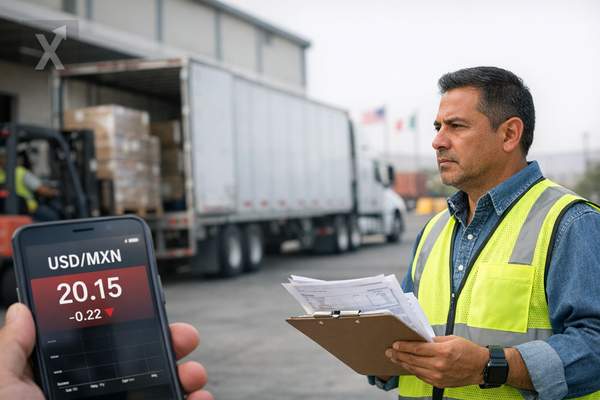
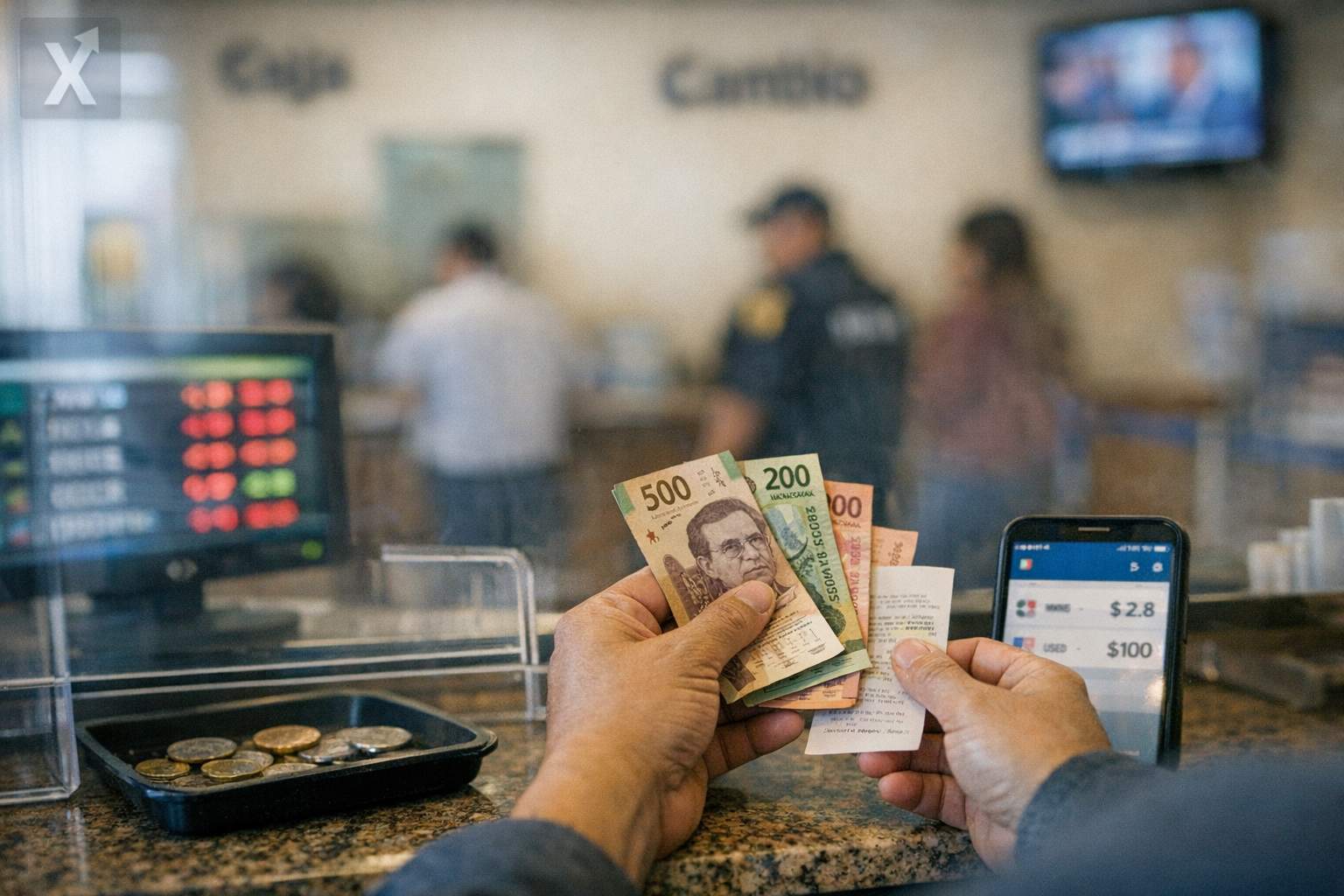
The potential impact on Mexico shows up first through financial channels. Harsher rhetoric typically increases exchange-rate volatility and alters risk appetite for local assets. In that context, market participants closely track messaging from the Bank of Mexico and the interest-rate path, since the yield differential has been an important buffer for the peso during bouts of external stress. However, if trade uncertainty becomes persistent, the support from high rates may not be enough to prevent depreciation episodes—especially if paired with weak activity data or a broader global risk-off environment.
On the real-economy front, “nearshoring”—the push to relocate production to Mexico—remains a structural positive, but it isn’t immune to trade policy. Companies considering setting up production lines in northern Mexico or expanding capacity along industrial corridors typically need clear rules, stable border-crossing times, and confidence in USMCA enforcement. A review with a more protectionist tone could delay capital decisions, raise compliance costs, and increase the risk premium on export-oriented projects—particularly if requirements related to Asian inputs tighten.
There are also fiscal and external-balance implications. Mexico remains heavily concentrated in exports to the United States; any credible threat of tariffs or non-tariff restrictions can affect export volumes, manufacturing employment trends, and—through that—consumer spending in regions closely tied to the North American supply chain. At the same time, greater currency volatility shifts import costs and can influence the inflation trajectory, a variable Banxico watches closely as it calibrates rate cuts or pauses in its policy cycle.
Carney’s read—that the threats are part of a negotiating strategy—fits a historical pattern: ahead of major trade milestones, U.S. administrations often raise the temperature to improve their leverage. For Mexico, the challenge will be to pair economic diplomacy with a domestic competitiveness agenda: border infrastructure, reliable energy, logistics security, regulatory certainty, and trade facilitation. In parallel, diversifying markets toward the European Union or Asia can help at the margin, but it is unlikely to replace, in the short term, the scale of the U.S. market.
Looking ahead to the coming months, the outcome will depend both on the political calendar in the United States and on the three partners’ ability to channel disputes through the USMCA’s own mechanisms. If the threats remain rhetorical, Mexico could maintain the export and investment momentum tied to nearshoring; if they turn into concrete measures, the country would face higher financial volatility and more cautious business decision-making.
In sum, Trump’s warning to Canada is a reminder that the USMCA does not eliminate political risk in North America’s trade relationship. For Mexico, the focus will be on preserving certainty for investment and exports, containing bouts of FX volatility, and strengthening domestic conditions that reduce vulnerability in a more contentious negotiation.