Mexico speeds up patent registration and rethinks its strategy to manufacture more pharmaceutical inputs
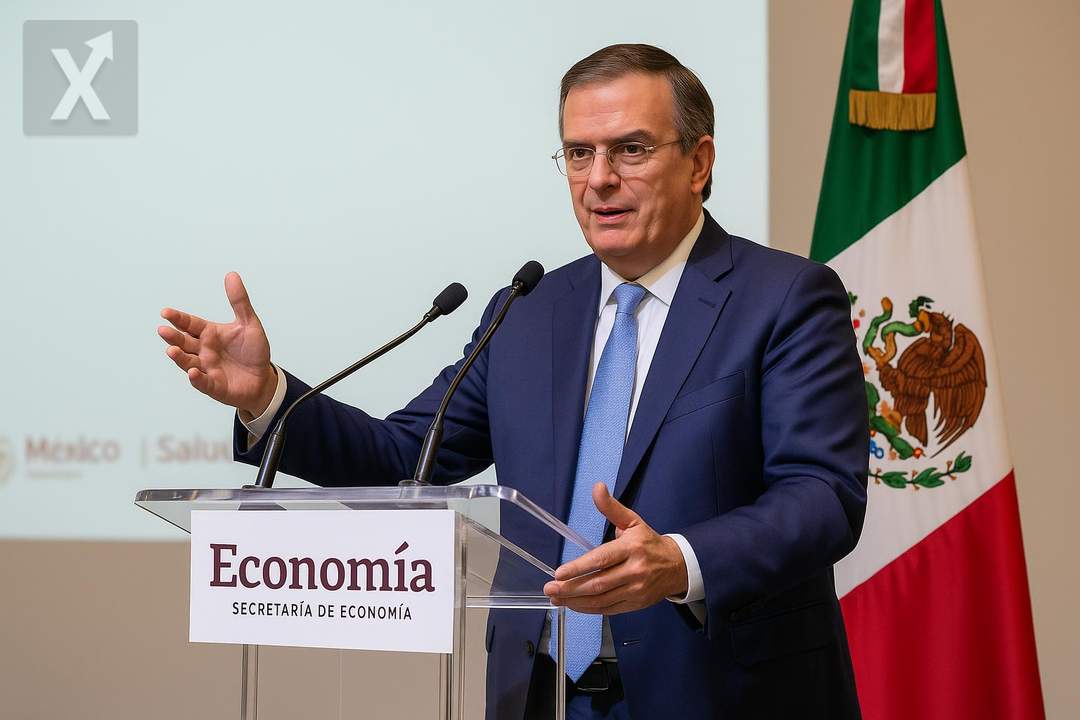
Mexico aims to make patents more transparent and reduce vulnerabilities in the pharmaceutical supply chain to spur investment, generics, and innovation.
Mexico has taken a step to modernize its innovation ecosystem and health regulation framework with the launch of a portal that links information from the Mexican Institute of Industrial Property (IMPI) and the Federal Commission for the Protection against Health Risks (Cofepris). The goal is to make patent status—particularly in the pharmaceutical arena—easier to check and available in real time, reducing the opacity that for years has driven up compliance costs, stretched out procedures, and complicated investment decisions involving plants, licenses, and product launches.
The change is significant: certainty about a patent’s validity period, scope, and potential intellectual property conflicts is often a critical factor in whether a company decides it can bring a generic drug to market, negotiate a technology transfer, or scale local production. In a country where the pharmaceutical market intersects with public health needs and heavy budget pressures, speeding up and increasing transparency in processes can help organize the competitive landscape without weakening protection for legitimate innovation.
Marcelo Ebrard, Mexico’s economy minister, has said that upgrading technical and procedural infrastructure is meant to bring Mexico closer to the operating standards already seen in advanced economies such as the United States and the European Union. At its core, the bet is that greater regulatory clarity will reduce friction, curb stalling tactics, and make it easier to plan production, imports, and distribution—especially in segments where time-to-market determines profitability and patient access.
The initiative comes as the country tries to strengthen its industrial capacity in higher value-added sectors. Pharmaceuticals—along with medical devices, health services, and related activities—matters because of its size, technological intensity, and export potential. In addition, the macroeconomic backdrop calls for new growth levers: gross fixed investment has been uneven, financing costs stayed high after the rate-hike cycle, and public spending faces constraints, making productivity and attracting private investment more important.
At the same time, the government has put a structural goal on the table: reducing dependence on foreign inputs in critical areas, such as chemical precursors and active pharmaceutical ingredients (APIs). In some categories, reliance has been very high—lessons that became clear during the pandemic, when logistical disruptions and other countries’ industrial decisions translated into shortages and higher costs. In this context, the patent agenda and the strategic import-substitution agenda intersect: without clear, predictable processes, it is difficult to attract investment to produce molecules, excipients, or key synthesis stages domestically.
The USMCA review and the dilemma between integration and production self-reliance
The discussion about reducing dependencies is unfolding as Mexico prepares for talks related to the USMCA review. In practice, the challenge is to balance three objectives: maintaining deep integration with the United States and Canada, meeting intellectual property commitments, and at the same time building regional capabilities to make the supply chain more resilient. For Mexico, this means competing for reshoring and nearshoring projects in a North American market that prioritizes operational continuity, traceability, and regulatory compliance. A more transparent patent system can signal to investors that the country is moving toward clearer rules; but the underlying strategy will also require infrastructure, competitively priced energy, specialized talent, and regulatory coordination to prevent bottlenecks in health authorizations.
Economically, the potential benefit of this strategy plays out on several levels. In the short term, better access to patent-status information can facilitate the orderly entry of generics when appropriate, putting downward pressure on prices and expanding access—affecting household spending and public procurement. In the medium term, greater certainty could trigger partnerships between global pharmaceutical companies and local players to manufacture more complex stages in Mexico, increasing domestic content and wages in technical occupations. And in the long term, a stronger intellectual property and regulatory environment can encourage applied research, though that will also depend on financing, university-industry linkages, and stable public policy.
Still, success is not guaranteed. An information portal is an important piece, but by itself it does not solve longstanding backlogs: decision timelines, administrative burden, technical capacity, and the need for different agencies to align criteria. The industry also often argues that regulatory certainty must be consistent over time to justify multi-year investments in plants, validations, and supplier networks—especially in a sector where audits and compliance are decisive.
Overall, patent modernization and the push for greater regional production of pharmaceutical inputs point to the same goal: strengthening Mexico’s competitiveness in a strategic industry, reducing external vulnerabilities, and raising the technological content of its productive base at a time when growth increasingly depends on productivity and investment.






