EU and India strike a mega trade deal: new investment routes and competition Mexico can’t ignore

The European Union and India have finalized a free trade agreement after nearly two decades of negotiations, promising to cut tariffs and expand the exchange of goods, services, and skilled talent mobility. The pact aims to provide greater certainty in an environment shaped by geopolitical tensions and the tariff-driven trade conflict pushed from the United States, while also seeking to contain China’s competitive pressure in strategic industrial supply chains.
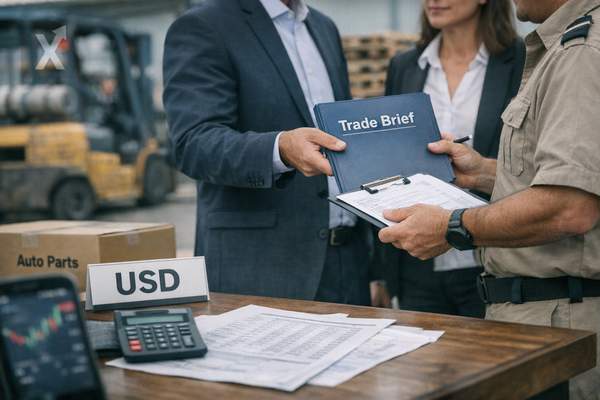
In practical terms, the agreement is designed to reduce Indian duties in areas where Europe is especially strong: automobiles, high-value agribusiness (such as wine and olive oil), and services. India, for its part, is looking to strengthen exports of textiles, jewelry, precious stones, and leather goods, while also attracting European investment and technology to modernize its productive base. According to figures released by Brussels, bilateral trade had already been growing rapidly, and the new framework aims to accelerate that trend through clearer rules and lower market-entry costs.
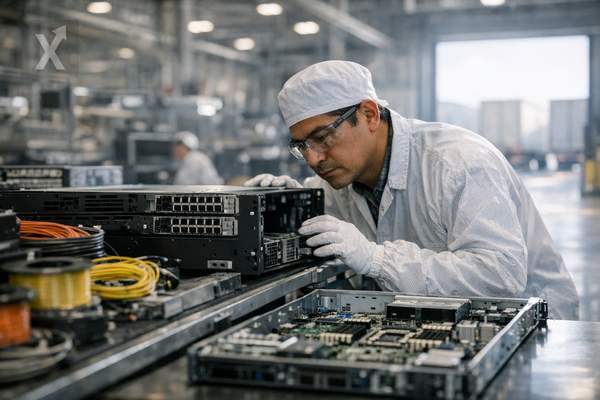
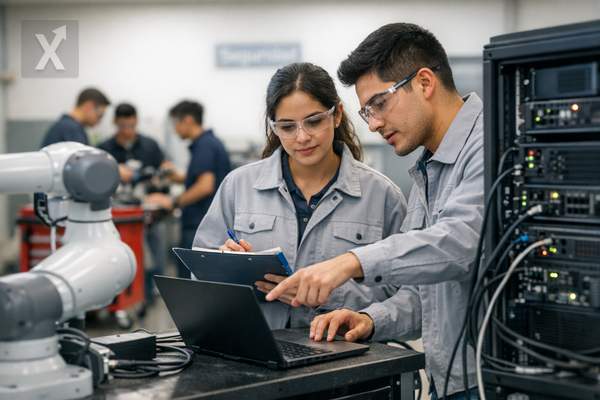
For Mexico, the move matters on two fronts: competition for productive investment and a reshaping of global trade flows. Mexico’s economy has gained ground in recent years as a manufacturing and export platform due to nearshoring, supported by North American integration (USMCA), the export strength of the auto sector, and logistical proximity to the U.S. market. However, preferential access between Europe and India can shift corporate decisions in industries where Mexico competes for new plants—from auto parts and electronics to pharmaceuticals and chemicals.
In the short run, the direct impact on Mexican trade may be limited, but the indirect effects could be meaningful: if major European automakers and suppliers find India to be a more profitable and less protected market, some of the investment that currently “eyes” Mexico as an export springboard could diversify toward Asia. At the same time, if India gains a stronger foothold in textiles, fine chemicals, or intermediate inputs within Europe, that could put pressure on prices and displace third-country suppliers—forcing Mexico to raise its technological content and differentiate itself in specialized niches.
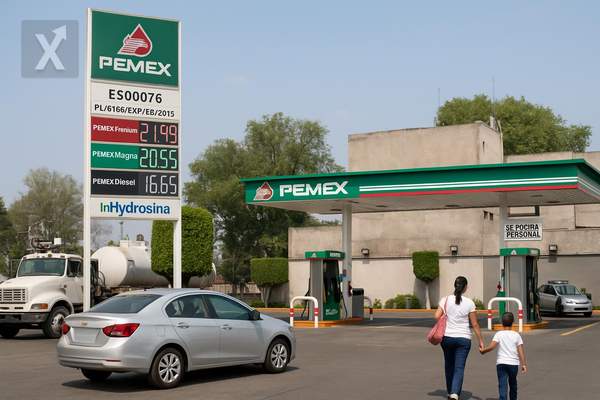
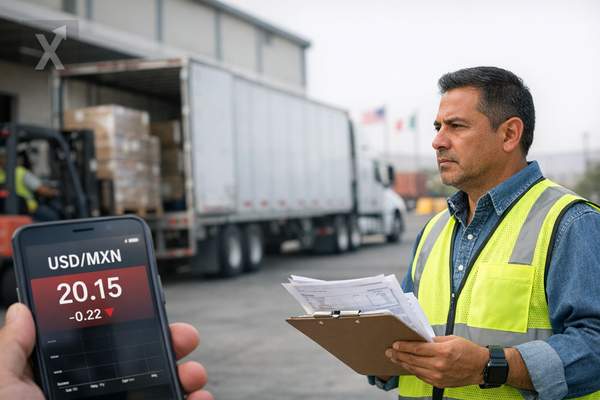
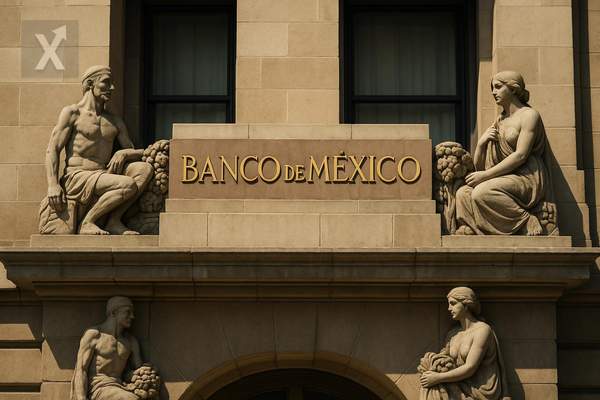
The broader signal is that major economies are locking in agreements to protect supply chains and secure market access. Mexico enters this phase with clear advantages—skilled manufacturing labor, export know-how, trade agreements, and an industrial base integrated with the U.S.—but also with bottlenecks: constraints in logistics infrastructure, the availability of energy and water in industrial hubs, and regulatory uncertainty in key sectors. On the macro front, the country continues to anchor itself in Banco de México’s monetary policy, with the challenge of consolidating disinflation without slowing activity, while the exchange rate and financial flows respond to the U.S. rate path and global risk appetite.
There is also an opportunity angle. Mexico and the European Union recently modernized their own Global Agreement (still pending internal ratification processes and final adjustments), creating room to deepen trade and investment with the European bloc in manufacturing, agri-food, and services. If Europe accelerates its presence in India, European companies may look for complementary capacity in North America to serve the U.S. market with competitive rules of origin and logistics—and Mexico can position itself as part of that strategy if it offers certainty, available energy, and better rail/port connectivity.
Looking ahead, Mexico’s challenge will be twofold: maintain nearshoring’s appeal while also diversifying markets and technological capabilities to avoid overreliance on the U.S. political and trade cycle. In a world of “giant” deals and increasingly active blocs, the advantage won’t be geographic alone—it will be institutional, energy-related, and productivity-driven.
In perspective, the EU-India agreement reinforces global competition for investment and preferential market access. For Mexico, the message is clear: nearshoring isn’t automatic or permanent; it requires infrastructure, certainty, and an industrial strategy that leverages existing trade deals and raises value-added content to sustain its position in North American supply chains.