México afianza su papel en la cadena de suministro médica de Norteamérica: las exportaciones se duplican en cinco años
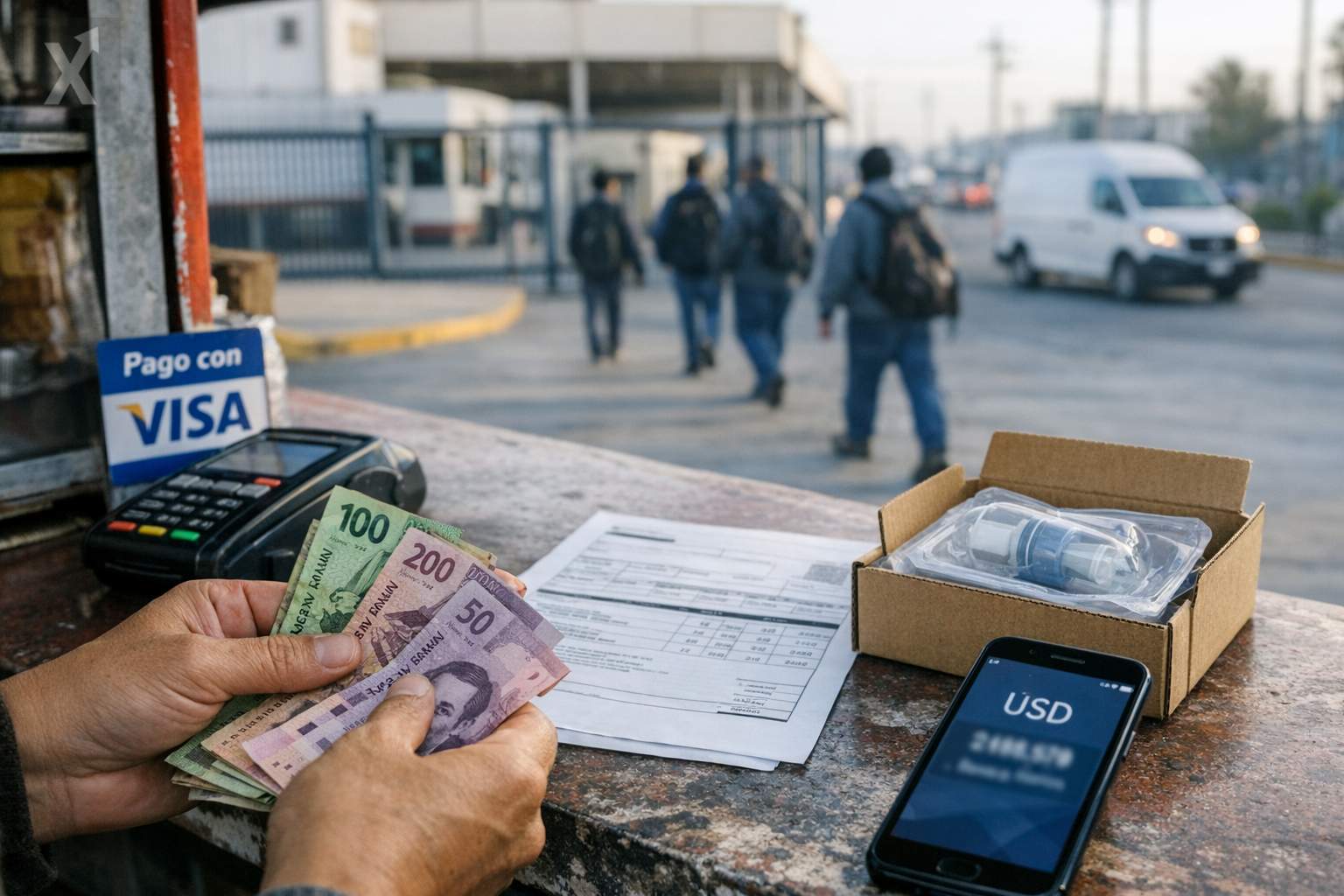
México aceleró su vocación manufacturera en dispositivos médicos y consolidó una plataforma exportadora estrechamente integrada con Estados Unidos.
La industria mexicana de dispositivos médicos dejó de ser un segmento especializado para convertirse en uno de los motores más dinámicos del sector exportador. En un lapso de cinco años, el valor de las ventas al exterior prácticamente se duplicó: pasó de 10,668 millones de dólares en 2020 a 20,550 millones en 2025, de acuerdo con cifras del Banco de México (Banxico). El avance se apoya en un universo de fracciones arancelarias estratégicas que abarcan desde consumibles clínicos hasta componentes de alta precisión para equipos avanzados.
El crecimiento ocurre en un momento en que la economía mexicana busca diversificar y sofisticar su base manufacturera, mientras enfrenta un entorno global de reconfiguración de cadenas de suministro. En los últimos años, el “nearshoring” y la integración productiva bajo el marco del T-MEC han reforzado la ventaja de México para producir cerca del principal mercado de destino, con tiempos logísticos competitivos y una base industrial que ya tiene experiencia en sectores regulados.
Un rasgo definitorio del sector es su orientación exportadora hacia Estados Unidos (EE. UU.), que concentra alrededor de 90% de los envíos, lo que refleja la profundidad de la cadena regional de valor en Norteamérica. Para México, esta especialización tiene implicaciones directas: fortalece el empleo técnico y de ingeniería, eleva estándares de calidad y cumplimiento regulatorio, y empuja inversión en procesos como esterilización, trazabilidad, metrología y validación, indispensables para operar en un mercado altamente exigente.
En términos macroeconómicos, el despegue de los dispositivos médicos suma a la narrativa de una manufactura mexicana que intenta moverse hacia segmentos de mayor valor agregado. Con una economía expuesta a ciclos externos —en especial, al desempeño industrial de EE. UU.—, la capacidad de ganar participación en industrias intensivas en conocimiento ayuda a amortiguar volatilidad y a sostener flujos de inversión productiva, aunque también incrementa la dependencia de la demanda y regulación del mercado estadounidense.
Clústeres y capacidades: la geografía del “hub” médico
La expansión del sector no se explica solo por mayor demanda internacional, sino por la consolidación de clústeres industriales con especialización creciente. La franja noroeste, con Baja California y Sonora, se mantiene como un corredor clave por su cercanía con la frontera y su experiencia en manufactura orientada a exportación; Chihuahua aporta una plataforma industrial robusta; mientras que Guadalajara combina manufactura con ingeniería y desarrollo, en paralelo a su ecosistema electrónico. En el centro del país, el área metropolitana de Ciudad de México concentra servicios especializados, capacidades de investigación y funciones corporativas que complementan la producción. Esta distribución crea sinergias con electrónica avanzada, plásticos de grado médico, metalmecánica de precisión, empaques especializados y logística.
La presencia de empresas globales ha sido un catalizador: plantas dedicadas a ensamble, pruebas, empaques y manufactura de consumibles conviven con operaciones más complejas, como dispositivos cardiovasculares, sistemas de administración de fármacos y componentes para diagnóstico. A medida que el sector madura, crece el peso de funciones de validación, automatización y control de procesos, lo que demanda talento con formación técnica y universitaria, y eleva la competencia por perfiles escasos en regiones con pleno empleo industrial.
En el terreno de costos y productividad, México conserva atractivo frente a otras plataformas, pero el reto se ha movido: ya no basta con producir a menor costo, sino con demostrar confiabilidad, cumplimiento y continuidad operativa. En una industria sensible a la calidad, los proveedores locales enfrentan la tarea de escalar certificaciones, robustecer trazabilidad y mejorar la disponibilidad de insumos críticos para reducir vulnerabilidades ante disrupciones logísticas.
En paralelo, el dinamismo exportador convive con una realidad interna: México todavía importa una parte relevante de equipos médicos avanzados y consumibles especializados. Esa dualidad —exportar manufactura relevante mientras se importa tecnología específica— abre un espacio para integrar más proveeduría nacional, desarrollar componentes de mayor complejidad y fortalecer capacidades en segmentos como imagenología, monitoreo, cirugía mínimamente invasiva y dispositivos conectados.
El debate también toca el frente regulatorio y de compras públicas. El país opera con un sistema de salud mixto, donde la demanda institucional y la privada se comportan de forma distinta. La expansión de la industria exportadora no garantiza, por sí sola, una mayor disponibilidad de tecnología para el mercado local; para que ocurra, se requieren condiciones de competencia, certidumbre regulatoria, tiempos eficientes de autorización y mecanismos de adquisición que privilegien calidad y continuidad, sin generar cuellos de botella.
Desde la óptica de política industrial, la autoridad económica ha identificado al sector como prioritario para atraer inversión y profundizar la integración regional. La participación de delegaciones estatales y federales en ferias internacionales y rondas de negocio se ha enfocado en ampliar capacidades productivas, incentivar formación dual y facilitar la relocalización de procesos que antes estaban en Asia. Sin embargo, los beneficios dependen de factores estructurales: disponibilidad eléctrica y de agua en parques industriales, conectividad logística, seguridad, y un entorno de certeza para inversión de largo plazo.
Hacia adelante, la oportunidad para México está en subir otro escalón: de ensamblar y manufacturar a escalar diseño, ingeniería de producto, pruebas clínicas, software médico y servicios asociados. La competencia global —incluida la rivalidad tecnológica entre grandes potencias— puede acelerar decisiones de abastecimiento regional, pero también elevar exigencias de cumplimiento, ciberseguridad en dispositivos conectados y control de origen en insumos estratégicos.
En perspectiva, el salto exportador confirma que México ya es una plataforma relevante para la manufactura médica de Norteamérica, con ventajas en integración y capacidades industriales. El reto ahora es convertir ese impulso en mayor valor agregado local, más proveeduría nacional y una base de talento suficiente para sostener el crecimiento sin perder competitividad.






