Mexico’s Finance Ministry and regulators push a new fintech phase: more inclusion, but with cybersecurity and clear rules
Authorities and the fintech sector agree that financial inclusion is moving forward, but the next leap depends on digital security, trust, and regulation.
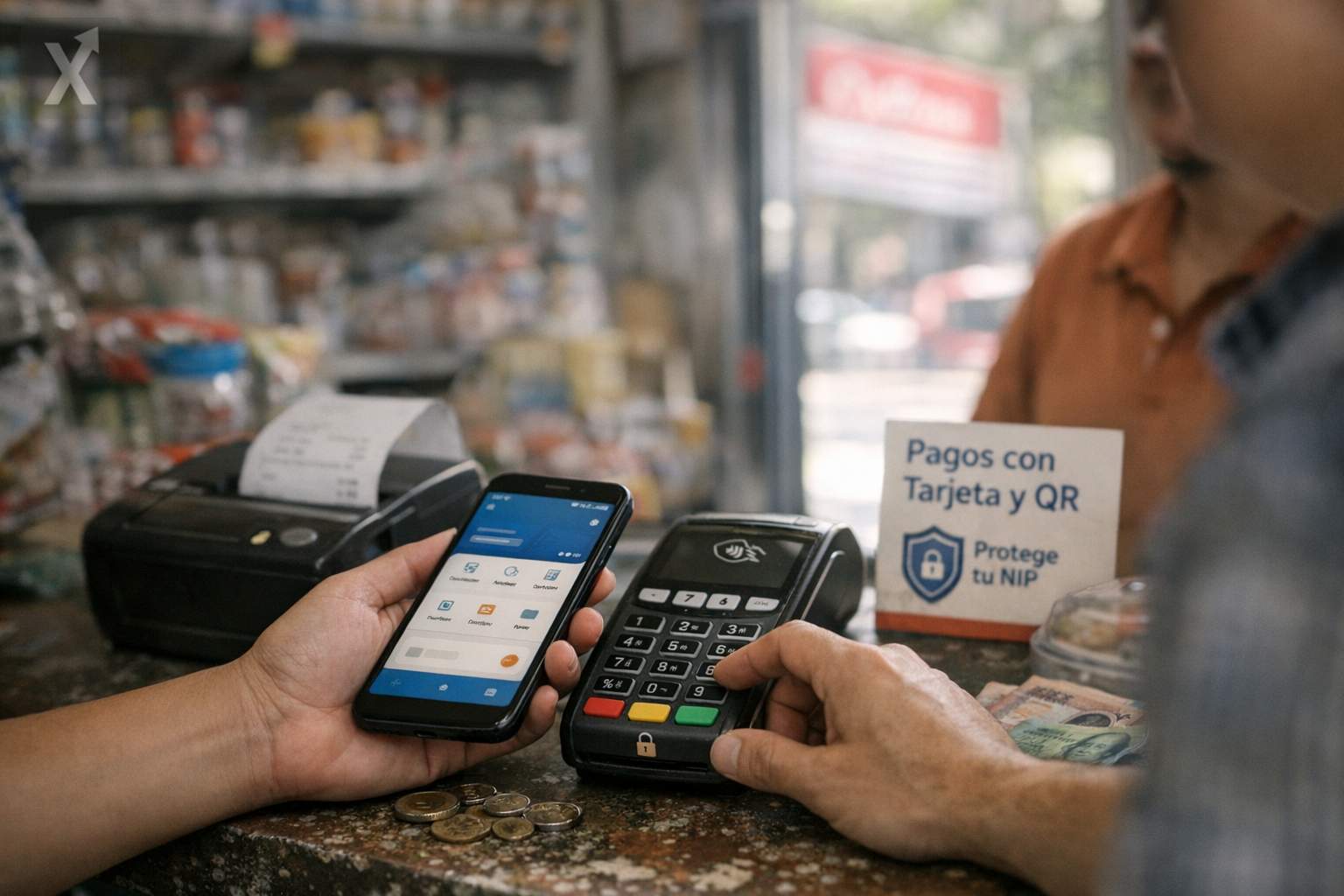
Mexico’s Ministry of Finance and Public Credit (SHCP) raised the stakes on one of the main challenges facing the country’s fintech ecosystem: security. At a time when more people use apps to pay, save, or apply for credit, the agency urged platforms to step up investment in technology, fraud prevention, and data protection—arguing that digitization is only sustainable if it strengthens user trust.
During the Fintech México Festival, Deputy Finance Minister Maricarmen Bonilla said technology is already reshaping financial habits, but warned that the digital environment also requires coordination between authorities and the private sector. Citing the 2024 National Survey on Financial Inclusion (ENIF), she noted that 76% of the adult population has at least one formal financial product—an indicator of progress in bringing people into the banking system, though not necessarily of frequent or full use of services such as credit, long-term savings, or insurance.
The call comes as consumption faces pressure from accumulated inflation over recent years, interest rates that remain high compared with historical averages, and an economy seeking to sustain momentum in domestic demand. In that setting, fintechs have grown as alternatives for digital payments, consumer and microbusiness lending, and day-to-day liquidity management; however, a higher volume of transactions also increases exposure to operational risks and cybercrime.
Bonilla stressed that digital fraud, phishing, identity theft, and increasingly sophisticated attacks are now part of the cost of transformation. According to her remarks, about 30% of the population has concerns about digital security—an important figure because perceived risk can slow adoption of electronic payments, limit saving in formal accounts, or push people back to cash, particularly among groups with lower financial literacy or unreliable connectivity.
To keep the system’s momentum, the Finance Ministry outlined workstreams focused on promoting instant payments, building trust, strengthening financial education, and exploring the viability of new models. At its core, the agenda aims to reduce reliance on cash, which still dominates many everyday transactions and imposes costs on businesses and consumers, in addition to security risks and low traceability.
From the supervisory side, Ángel Cabrera, president of the National Banking and Securities Commission (CNBV), said a stronger regulatory framework can give users more certainty without compromising financial-system stability. He described a vision for an ecosystem of “digital-native” entities that adds value in spaces where cash still dominates, and argued that the central obstacle is no longer technological infrastructure but the building of trust and a shared long-term vision between industry players and regulators.
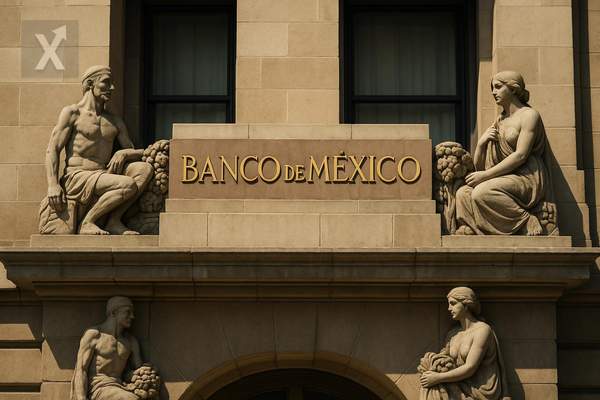
Meanwhile, the Bank of Mexico (Banxico) reiterated that financial innovation must move forward with appropriate regulation and in line with its mandates. Deputy Governor Omar Mejía said that, as more people and companies participate in the formal financial system, monetary policy can be transmitted more effectively into everyday life—because rate decisions more clearly influence borrowing costs, savings returns, and consumer behavior when there is greater intermediation and broader use of formal channels.
“Fintech Law 2.0” and the challenge of closing trust gaps
The CNBV said it is preparing a “Fintech Law 2.0,” as a continuation of the regulatory agenda left incomplete after the first Law to Regulate Financial Technology Institutions was published in 2018. In practice, an update could focus on stricter standards for cybersecurity, digital identity, risk management, fee transparency, interoperability, and clearer rules for models that have evolved quickly, such as aggregators, lending platforms, and payment services. It could also strengthen mechanisms to prevent illicit transactions and improve information-sharing under data-protection criteria—a crucial balance to avoid making compliance prohibitively expensive or pushing out smaller players with innovative offerings.
For the industry, the challenge will be to keep up its growth pace without hurting the user experience. Tighter oversight typically raises compliance costs and technology requirements, but it can also reduce fraud and operational failures that damage the market’s reputation. In an economy where millions of microbusinesses operate on thin margins, the promise of faster payments and more accessible credit competes directly with the friction of verification processes, operating limits, and stronger authentication. The success of the new framework will depend on its ability to raise standards without stifling competition or creating unnecessary barriers to entry.
The Fintech México Association, for its part, emphasized the need to prevent illegitimate businesses from using platforms. That point is critical because sector growth, if not accompanied by effective controls, can attract fraud and money-laundering attempts, increasing legal and reputational risk. In a market where trust is the main asset, fighting identity theft, strengthening “know your customer” practices, and improving transaction traceability become central elements for sustaining expansion.
In perspective, progress on financial inclusion in Mexico is no longer just about opening accounts, but about achieving sustained and secure use of products that improve the financial resilience of households and businesses. If authorities, fintechs, and traditional banks align technology investment, financial education, and risk-proportionate rules, the country could accelerate adoption of digital payments and expand access to formal credit; if not, insecurity and fraud could become the main brake on digitization.