Banxico downplays the inflation hit from the IEPS, expects a limited effect; Heath warns of upside risks
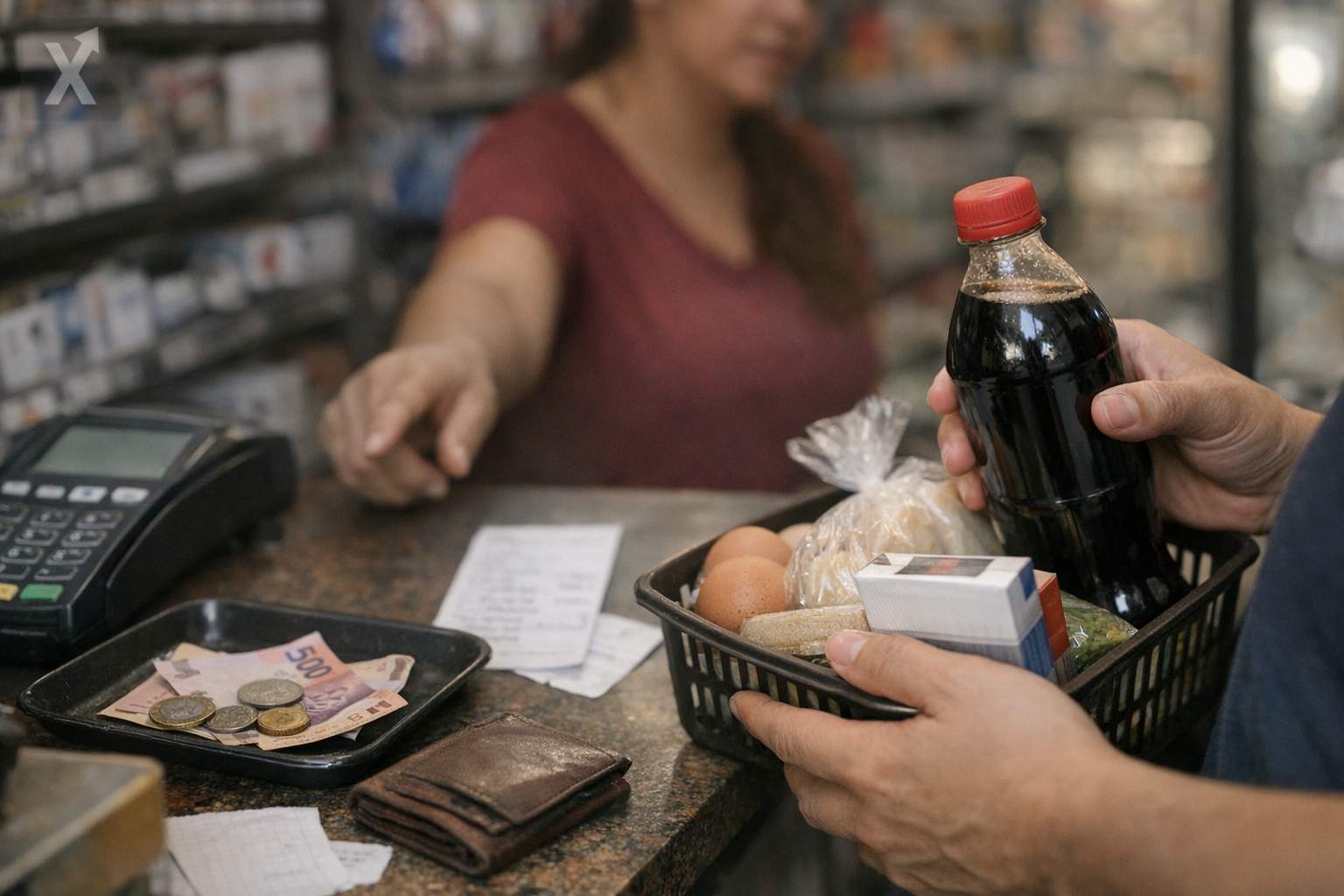
The central bank expects the bump from the IEPS and tariffs to be localized, but some board members urge caution given persistent inflation.
The Bank of Mexico (Banxico) estimates that the inflation uptick seen at the start of 2026—linked to the adjustment of the Special Tax on Production and Services (IEPS) on products such as sugary drinks and cigarettes, as well as to tariff changes—will have a limited impact concentrated in certain goods, without necessarily becoming broad-based pressure on prices.
In its latest monetary policy minutes, the institution underscored that weak economic activity and the appreciation of the Mexican peso have acted as buffers by limiting the pass-through of cost shocks to the end consumer. In January, headline inflation stood at 3.79%, while core inflation—which excludes more volatile components and is typically seen as a better guide to the trend—came in at 4.52%, still above the permanent target of 3% +/- one percentage point.
The central bank decided to keep the policy rate at 7%, in a context where the disinflation process coexists with signs of economic cooling and with a price composition suggesting that part of the increase stems from one-off adjustments. Within the Board, the discussion focused on whether these shocks may or may not spill over into the rest of the basket, especially through “second-round effects” (when a one-time increase becomes generalized via wages, services, or price-setting chains).
According to the Board’s analysis, the IEPS increase for soft drinks, energy drinks, packaged juices and nectars, as well as for cigarettes, would amount to roughly 5% of the average price observed toward the end of 2025, which limits the size of the direct impact. Most members also noted that the uptick in food merchandise recorded in the first half of January was associated with those tax changes.
In parallel, Banxico mentioned that the entry into force of tariffs on countries without a trade agreement with Mexico—if it were to materialize more forcefully—would operate through mechanisms similar to the exchange rate’s “incomplete pass-through”: that is, not every increase in costs automatically translates into final prices. So far, the Board noted, inflation readings early in the year have not shown a clear and persistent effect attributable to these measures, although uncertainty remains regarding their magnitude and timing.
Exchange rate, USMCA, and the balance between inflation and growth
One element Banxico put at the center of its assessment is the peso’s performance. Currency appreciation helps contain imported pressures—for example, in inputs, durable goods, and some processed foods—which can moderate the impact of fiscal or tariff adjustments. However, within the Board it was raised that the exchange rate also faces risks: the upcoming USMCA review could increase episodes of financial volatility, and a global correction in the U.S. dollar could alter the balance of flows toward emerging economies like Mexico. In an environment where growth looks fragile, any abrupt deterioration in the exchange rate would raise the cost of achieving inflation convergence, by pushing prices higher without necessarily adding more momentum to domestic demand.
The discussion matters because Mexico’s economy enters 2026 with challenges that tend to amplify sensitivity to shocks: a recovery that varies widely across sectors, consumption that depends heavily on employment and credit, and a services component that often shows inflation persistence. Added to this is the fiscal channel—such as the IEPS—which can improve tax collection and discourage specific consumption, but also affects consumer prices in the short run and, if it coincides with other cost adjustments, complicates how households and businesses interpret inflation.
In this context, Deputy Governor Jonathan Heath broke from the tone of the statement, even though he voted with the rest of the Board to hold rates. Heath argued that the deterioration in inflation dynamics should not be underestimated and said risks are tilted to the upside, among other reasons due to the large forecasting error seen the previous year. He also stressed that the duration of the effects from fiscal adjustments is uncertain and may involve lags; in his view, the central bank’s message should be more forceful regarding vigilance and the timeliness of any future adjustment.
The nuance is important for markets: while part of the communication suggests that, if second-round effects do not appear, a rate-cut cycle could resume, the more cautious stance emphasizes that the credibility of the disinflation process depends both on the actual path of prices and on consistency between forecasts and outcomes. In Mexico, core inflation also tends to react with a lag, which requires calibrating decisions with a horizon of several quarters.
In sum, Banxico acknowledges an inflation uptick explained by specific measures—such as the IEPS—and maintains that its effect should be limited, supported by an environment of moderate demand and a strong peso. However, the internal debate shows that the main challenge is preventing one-off shocks from becoming persistent, especially in a year when the balance between inflation, growth, and currency stability will also depend on external factors such as the USMCA and the trajectory of the U.S. dollar.






