Mexico and the United States tighten the financial net around timeshare fraud networks tied to the CJNG
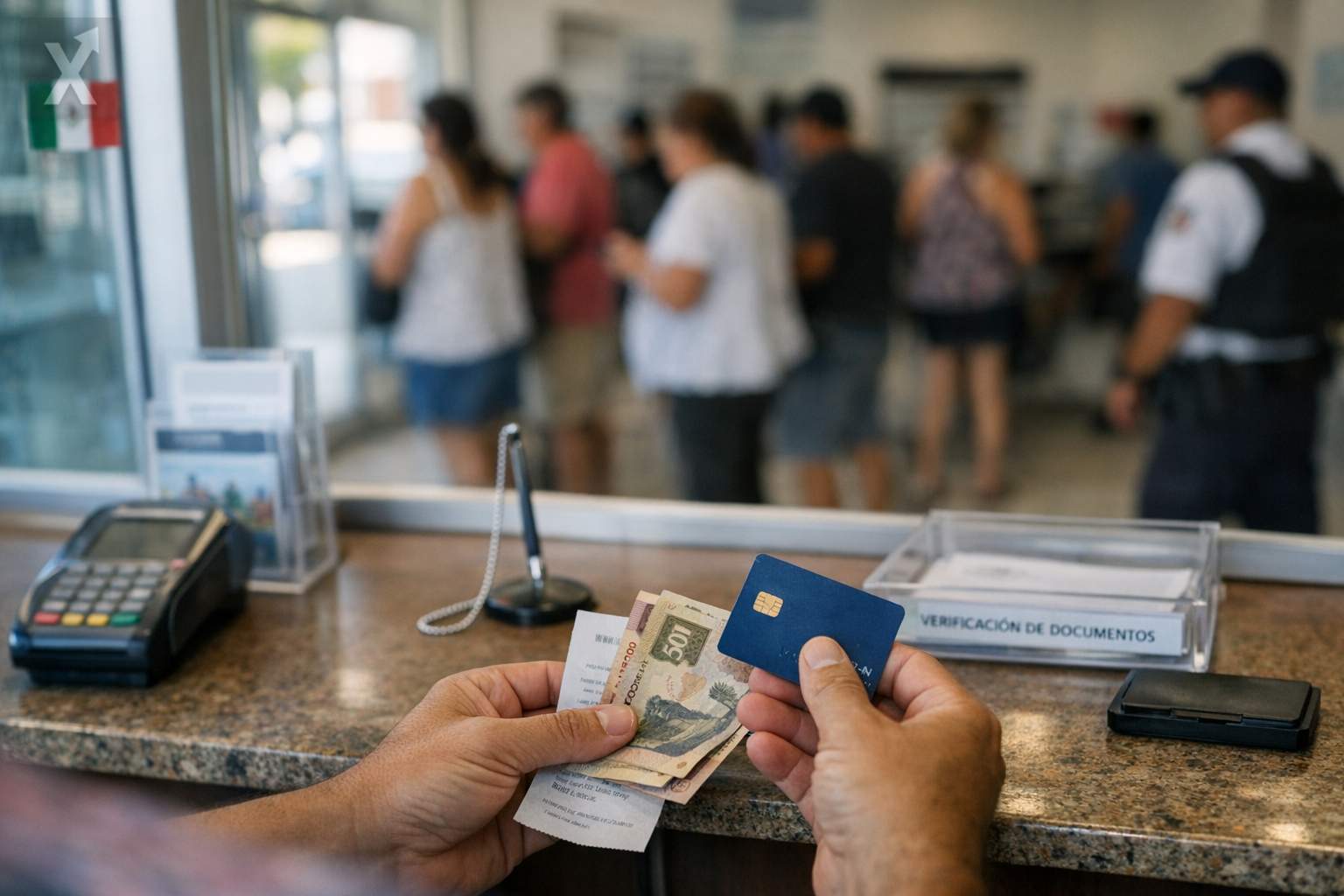
Coordination between Mexico’s FIU and the U.S. Department of the Treasury aims to cut off illicit flows disguised as tourism services and undermining economic confidence.
Financial authorities in Mexico and the United States strengthened their cooperation this week to stop fraud schemes tied to “timeshares” that, according to investigations, allegedly were used to raise funds and funnel them to networks linked to the Jalisco New Generation Cartel (CJNG). The U.S. Department of the Treasury’s Office of Foreign Assets Control (OFAC) designated 24 parties—five individuals and 19 entities—for their alleged involvement in the operation, while in Mexico the Ministry of Finance and Public Credit (SHCP), through the Financial Intelligence Unit (UIF), added seven additional parties to its Blocked Persons List.
The move, with significant operational impact on the financial system, imposes restrictions on accessing assets, maintaining accounts, and carrying out transactions in jurisdictions and with counterparties that comply with sanctions regimes. In practice, the goal is to dismantle the economic infrastructure that allows criminal organizations to blend illicit proceeds with seemingly legal activities—particularly in regions where tourism intersects with a dynamic real estate and services market, such as parts of western Mexico.
According to official information, the UIF conducted financial, tax, and corporate analyses to identify patterns of transfers, the dispersion of funds, the use of investment instruments, significant credit-card spending, and equity stakes across various companies. The Finance Ministry emphasized that the expanded measures—both the international designations and the domestic blocking—are intended to shut down avenues used by intermediaries, front men, and corporate structures to move money and reduce traceability.
Beyond the administrative actions, the case has a criminal track: complaints were filed with the Office of the Attorney General (FGR) for potential money laundering offenses. At the same time, coordination with foreign authorities aligns with standards set by the Financial Action Task Force (FATF), a framework that in recent years has increased pressure to improve the prevention, detection, and punishment of money laundering and illicit financing.
Economic implications: tourism, confidence, and compliance costs
Beyond the impact on those targeted, the episode reopens a deeper economic conversation: the vulnerability of certain sectors—including tourism services and asset sales—to cross-border fraud that erodes consumer confidence and raises the cost of doing business. For destinations that depend on tourist spending and international reputation, the spread of scams tied to lodging, memberships, and purported real estate benefits can translate into cancellations, lawsuits, claims, and a higher perception of risk.
Within the financial system, these actions tend to raise the bar for internal controls. Banks, money transmitters, fintechs, and other regulated entities may tighten their know-your-customer (KYC) processes, transaction monitoring, and verification of beneficial ownership. That strengthens prevention, but it also increases compliance costs and can lengthen timelines for opening accounts or validating transactions—especially for businesses with complex corporate structures. In a context where Mexico is seeking to strengthen its appeal to investment—including investment linked to supply-chain nearshoring—financial integrity and regulatory certainty become key assets.
At a macro level, blocking measures and sanctions typically have a deterrent effect: they make it harder for illicit funds to enter formal channels and reduce the room to maneuver when purchasing goods, financing operations, or paying for services that rely on the banking system. However, they also raise the challenge of avoiding collateral impacts on good-faith third parties, which is why review processes, legal remedies, and list-cleanup mechanisms matter to maintain a balance between effectiveness and legal certainty.
The case illustrates how Mexico’s economy—particularly in regions with high tourism activity—faces risks that are no longer limited to public security, but extend to market confidence, destinations’ international reputations, and the financial system’s regulatory burden. Looking ahead, the trajectory points to greater binational coordination, more sophisticated financial intelligence, and growing pressure to increase transparency around corporate structures and beneficial owners in high-value transactions.






